

Have you ever found yourself battling swarms of bees while trying to enjoy the fruits of your labor? If you’ve got fruit trees in your yard, you know how pesky these buzzing visitors can be. While bees play a crucial role in pollination, they can turn your relaxing harvest time into a stressful experience.
Key Takeaways
- Bees and Pollination: Understand the vital role bees play in the pollination of fruit trees, leading to better yields, while recognizing the challenges they can present during harvesting.
- Safety and Comfort: Reasons for keeping bees at bay include safety from stings, distraction during harvesting, and the potential for fruit damage.
- Physical Barriers: Utilize netting and shiny objects as effective physical deterrents to keep bees away from fruit trees while allowing necessary sunlight and airflow.
- Aromatic Repellents: Employ natural repellents such as essential oils and vinegar to create an unwelcoming environment for bees without harming them.
- Timing and Care: Harvest during cooler parts of the day, clear fallen fruit, and maintain a tidy area around your trees to minimize bee attraction and enhance your harvesting experience.
- Create a Bee-Friendly Zone: Attract bees away from fruit trees by planting flowers and shrubs in a separate area, ensuring they have a suitable environment to thrive without interfering with your harvest.
Understanding The Relationship Between Bees And Fruit Trees
Bees play a crucial role in the life cycle of fruit trees, but their presence can make harvesting more challenging. Understanding this relationship can help you manage your fruit trees effectively.
Importance Of Bees In Pollination
Pollination is essential for fruit production. Bees transfer pollen from one flower to another, leading to fertilization and fruit development. Specifically, around 75% of global crops rely on bees for pollination. For instance, apple, cherry, and peach trees benefit significantly from bee activity. Without bees, many fruit trees experience reduced yields, resulting in fewer fruits for you to enjoy.
Reasons To Keep Bees Away
While bees aid in pollination, their presence can be intimidating. Some reasons you might want to keep them away include:
- Safety Concerns: Bee stings can cause allergic reactions, putting you and your family at risk.
- Distracting Harvesting: Bees buzzing around while you’re picking fruit can make the task stressful.
- Fruit Damage: Sometimes, bees can damage flowers, affecting fruit production.
Balancing the benefits of bees with your need for a comfortable harvesting experience is key.
Strategies To Keep Bees Away From Fruit Trees
Managing bees near fruit trees can create a more enjoyable harvesting experience. Implementing specific strategies helps reduce their presence without harming them.
Recommended Products
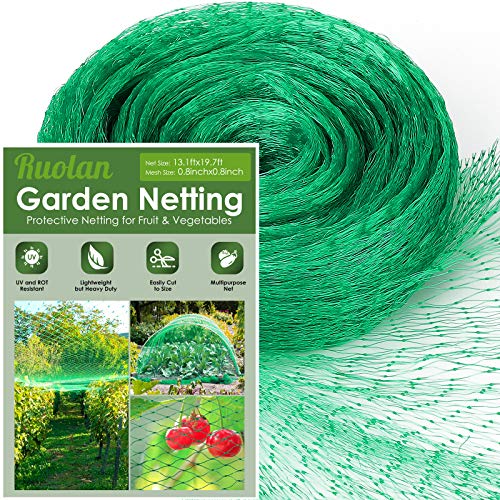
【Perfect size】(Garden Netting size 13ftX20ft, Mesh Size 0.8inchX0.8inch), Protect fruit tree plant blueberry strawberry from animals

【Perfect size】(Garden Netting size 13ftX65ft, Mesh Size 0.8inchX0.8inch), Protect fruit tree plant blueberry strawberry from animals
Physical Barriers
Install Netting: Cover your fruit trees with fine mesh netting. This barrier deters bees while allowing sunlight and air to reach the trees. Ensure the netting is secure to prevent any bees from getting trapped inside.
Use Decoys: Hang shiny objects, such as aluminum foil strips or old CDs, around your trees. These reflect light and create movement, which often confuses and scares away bees.
Create Distance: If feasible, move fruit trees away from areas frequented by bees, such as flowering plants. Increased distance reduces bee traffic near your harvest zone.
Aromatic Repellents
Employ Essential Oils: Many essential oils repel bees. Oils like peppermint, eucalyptus, and citronella can keep them at bay. Mix a few drops with water in a spray bottle, then mist your fruit trees.
Plant Repelling Herbs: Grow herbs such as basil, mint, or sage alongside your fruit trees. The strong scents of these herbs can deter bees from approaching the trees.
Use Vinegar: Fill small containers with vinegar and place them around the fruit trees. The sour scent of vinegar often repels bees, creating a less inviting environment.
Use Of Insect Deterrents
Apply Natural Deterrents: Insecticidal soaps made from natural ingredients can deter bees. These soaps don’t harm beneficial insects but can dissuade bees from approaching.
Utilize Commercial Sprays: Look for commercially available bee deterrent sprays. Ensure these products are safe for fruit trees and non-toxic to the surrounding environment.
Consider Traps: Bee traps can capture bees without harming them. Set these traps away from your fruit trees to lure bees and maintain a more peaceful harvesting experience.
Implementing these strategies creates a more manageable space around your fruit trees. Protection against bees allows you to enjoy your bounty safely and efficiently.
Best Practices For Creating A Bee-Free Environment
To reduce bee activity around your fruit trees, apply specific strategies that create a more pleasant harvesting experience. Addressing timing, coordination, and maintenance of the surrounding area helps keep bees at bay.
Recommended Products

100% SAFE & NATURAL- Cinnamon and Peppermint oil spray for Most kinds of everyday Bees and Wasps. This Bee Repellent Spray is made up of natural peppermint & Cinnamon Essential oil ingredients found in nature. Safe to use around Children, nursing mothers, kitchens with food out. Helps reduce the quantity of- Bees and Wasps. Indoor and outdoor use. Respray after a rainstorm.
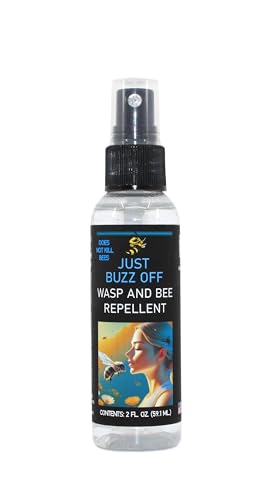
Natural Essential Oil Spray: This 2 oz spray contains natural essential oils with a refreshing mint scent.
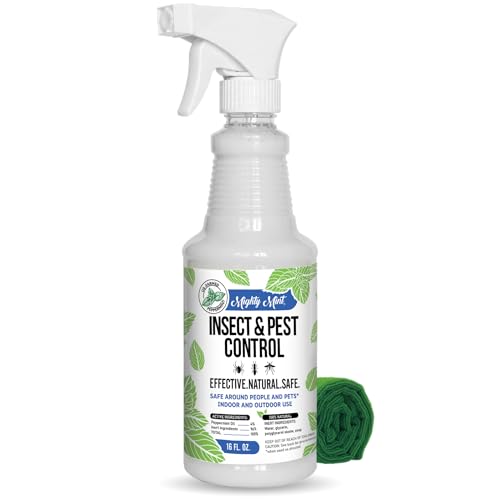
Pet-Friendly & Family-Safe Formula – Mighty Mint is a top pick for pet parents looking for a natural pest control solution. Safe to use around dogs, cats, and kids when applied as directed—no harsh fumes or dangerous chemicals, just powerful peppermint protection you can trust.
Timing And Coordination
- Pick Early Morning or Late Afternoon: Bees tend to be less active during cooler parts of the day. Plan your harvesting for early morning or late afternoon to avoid peak bee activity.
- Align With Pollinator Activity: Observe local bee activity patterns. If you notice bees buzzing around certain times, adjust your harvesting schedule accordingly to minimize encounters.
- Cooperate With Neighbors: Coordinate with nearby gardeners. If everyone in the area harvests around the same time, it reduces the overall chance of attracting bees to a single location.
- Clear Fallen Fruit: Remove decaying or fallen fruit immediately. Overripe fruit attracts bees, so keeping the ground clear helps deter them.
- Trim Excessive Vegetation: Maintain a tidy area around fruit trees. Trim overgrown plants, as dense vegetation can harbor bees and other insects.
- Utilize Bees’ Natural Habitat: Create a bee-friendly zone away from fruit trees. Plant flowers and shrubs in a separate area to attract bees, keeping them distracted from your harvest.
- Apply Essential Oils: Use citrus or peppermint essential oils as natural repellents. Mix a few drops with water and spray around the trees to create an unwelcoming environment for bees.
- Set Up Barriers: Install physical barriers like netting to keep bees from accessing your fruit trees. Use lightweight mesh that allows light and air to pass through while blocking bees.
Implementing these best practices will foster a bee-free environment, making fruit harvesting much more enjoyable.
Conclusion
Managing bees around your fruit trees doesn’t have to be a daunting task. By using a combination of physical barriers and natural repellents you can create a safer and more enjoyable harvesting experience.
Timing your harvest and keeping your area tidy can significantly reduce bee activity. Remember to embrace the balance between protecting your fruits and appreciating the vital role bees play in our ecosystem.
With a little effort and the right strategies you’ll be able to enjoy the fruits of your labor without the buzz. Happy harvesting!
Frequently Asked Questions
Recommended Products

Effective Wasp Repellent with Natural Ingredients: Made of natural plant essential oils, such as peppermint oil, lemongrass oil, cinnamon oil, clove oil, this wasp and hornet repellent is powerful and effective to keep wasp and bee far away from outdoor and indoor areas. Protect you no biting, no wasp damage from spring to fall

Citrus Carpenter Bee Repellent: Apply to vulnerable outdoor wood surfaces to help deter carpenter bees from nesting. Designed for use around decks, porches, eaves, siding, fences, sheds and other exterior wood according to label directions

Bee And Wasp Protection: Safeguard your home with Exterminators Choice Bee Barrier, an ideal solution for keeping various types of bees and wasps in check and ensuring a peaceful environment
Why are bees important when harvesting fruit?
Bees play a vital role in pollination, with about 75% of global crops depending on them. Their work directly affects the quality and quantity of fruits like apples, cherries, and peaches, making them crucial for successful harvests.
What challenges do bees present during fruit harvesting?
Bees can make harvesting stressful due to potential allergic reactions to stings, distractions while picking fruits, and the risk of damaging flowers, which can reduce future fruit production.
What are effective strategies to manage bees while harvesting?
To manage bees, use physical barriers like netting, aromatic repellents such as essential oils, and natural insect deterrents. Time your harvest for early morning or late afternoon, and clear fallen fruit to minimize bee attraction.
How can I create a bee-free environment around fruit trees?
Maintain a tidy area by trimming excessive vegetation, clearing decaying fruit, and creating a separate bee-friendly zone with flowers. This helps keep bees away from your fruit trees during harvest time.
What natural repellents can I use against bees?
Essential oils like peppermint, clove, and citronella can effectively repel bees. Vinegar and natural soaps are also beneficial as insect deterrents, helping to create a more comfortable harvesting experience.
