

Have you ever wondered where dragon fruit comes from? You might picture exotic trees, but the truth is a bit different. This vibrant fruit actually grows on cacti, not trees, which might surprise you.
If you’ve seen dragon fruit in stores and thought about growing your own, you’re not alone. Many people are curious about cultivating this unique plant. Understanding how dragon fruit grows can help you decide if it’s the right addition to your garden or patio.
In this article, you’ll learn the basics of dragon fruit cultivation and discover why this stunning cactus is worth your attention. Whether you’re a seasoned gardener or just starting out, you’ll find valuable tips to help you grow your own dragon fruit.
Key Takeaways
- Dragon fruit, also known as pitaya, grows on climbing cacti, not trees, specifically from the Hylocereus and Selenicereus species.
- Optimal cultivation conditions include well-drained sandy soil, at least six hours of direct sunlight, and infrequent deep watering to prevent root rot.
- Installing a trellis or support structure is crucial for dragon fruit plants, which require assistance as they grow upwards.
- Fertilization with low-nitrogen fertilizer once a month during the growing season promotes healthy blooms and fruit development.
- Dragon fruit can self-pollinate, but planting multiple varieties can enhance fruit yield and flavor.
- The fruit typically ripens 30 to 50 days after flowering, with bright color and slight softness indicating readiness for harvest.
Understanding Dragon Fruit
Dragon fruit, or pitaya, belongs to the cactus family, not trees. This unique plant features a climbing growth habit, often resembling vines. You can find dragon fruit plants in tropical and subtropical climates, thriving in well-drained soil and plenty of sunlight.
Recommended Products

【Durable Metal Construction】This dragon fruit plant rack is made of high-quality metal, sturdy and durable. This dragon fruit trellis has excellent weather resistance, providing strong support for the healthy growth of your climbing plants both indoors and outdoors.

Durable And Long-lasting : Our dragon fruit plant rack is designed specifically for climbing plants such as dragon fruit. This dragon fruit trellis is forged from high-quality metal materials and has excellent durability, ensuring reliable support under various indoor and outdoor conditions.

Durable And Long-lasting : Our ultra thick dragon fruit rack is designed specifically for climbing plants such as dragon fruit. This dragon fruit trellis is forged from high-quality metal materials and has excellent durability. In order to increase its stability, it has been bolded overall to ensure reliable support under various indoor and outdoor conditions.
Growing Conditions
- Soil: Use well-draining, sandy soil. Cactus mix works well.
- Water: Water the plant deeply, then allow the soil to dry out before the next watering to prevent root rot.
- Sunlight: Provide at least six hours of direct sunlight daily. A sunny spot in your garden or patio will support healthy growth.
Cultivation Tips
- Support Structure: Install a trellis or stake, as these plants require support for their climbing stems.
- Fertilization: Use a low-nitrogen fertilizer once a month during the growing season to encourage healthy blooms and fruit development.
- Pruning: Trim back old or weak stems to promote new growth and maintain plant health.
Harvesting
Once the fruit develops, it will take 30 to 50 days to ripen after flowering. Look for vibrant color and slight softness when gently pressed.
- Do you need more than one plant for pollination? No, dragon fruit plants can self-pollinate, although planting multiple varieties can enhance fruit yield.
- How often do you water them? Water once the soil has dried out, typically every two to three weeks, depending on the climate.
By maintaining the right conditions and care, you can successfully grow dragon fruit right in your garden or container.
Growing Conditions for Dragon Fruit
Dragon fruit thrives in specific conditions that optimize growth and fruit production. Understanding these requirements helps you cultivate this exotic fruit successfully.
Climate Requirements
Dragon fruit prefers warm climates. Ideal temperatures range from 65°F to 100°F (18°C to 38°C). This cactus tolerates light frost, but prolonged exposure can damage it. Subtropical and tropical areas provide the best environment. If you live in cooler regions, consider growing dragon fruit in containers for mobility. Aim for full sunlight exposure for at least six hours daily to enhance fruit production.
Soil Preferences
Well-drained soil is essential for dragon fruit cultivation. Sandy or loamy soil types work best. The soil pH should range from 5.5 to 7.0, allowing for nutrient uptake without root rot. You can improve drainage by mixing organic matter or perlite into your soil before planting. Water deeply but infrequently, ensuring the soil dries out between waterings. Overwatering can lead to root diseases that negatively impact plant health.
Physical Characteristics of Dragon Fruit Plants
Dragon fruit plants, scientifically known as Hylocereus and Selenicereus, belong to the cactus family. Understanding their physical characteristics helps you appreciate their uniqueness and successful cultivation.
Recommended Products
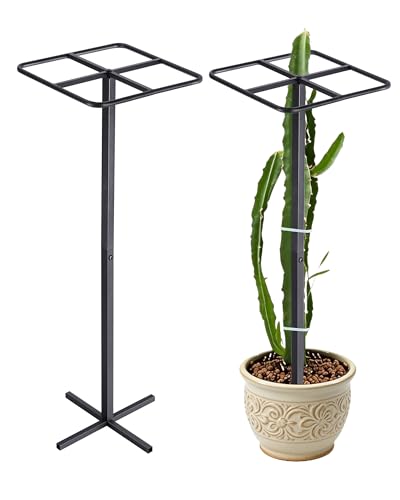
Square Top Design Unlike round trellis tops that let vines tangle together, our 4-section square top gives you four separate areas to train and separate your plants. This design improves air circulation and sunlight exposure while making pruning and harvesting easier.

Square Top Design Unlike round trellis tops that let vines tangle together, our 4-section square top gives you four separate areas to train and separate your plants. This design improves air circulation and sunlight exposure while making pruning and harvesting easier.
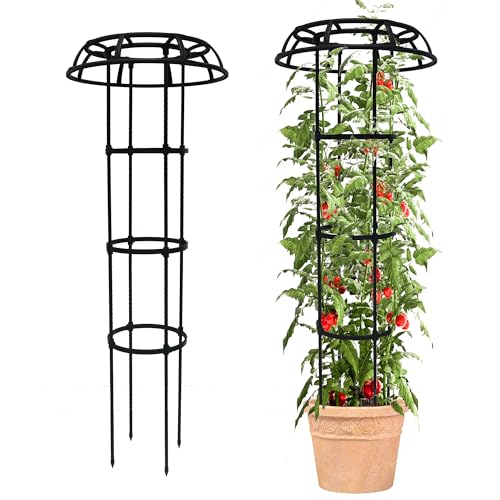
【Product specifications】Package contains 2 pack 53.2” tall garden trellis. Each 53.2" high x 10" wide garden trellis with 3 adjustable durable plastic support rings. The height of this trellis for climbing plants indoor can be adjusted by increasing or decreasing the connecting rings based on the growth of the plant. Provide ample space for your climbing plants and vines to support the plants well to grow upright and healthy.
Cactus Family Overview
Dragon fruit plants are cacti characterized by their succulent stems and vibrant flowers. As members of the Cactaceae family, they thrive in dry, arid environments. Their ability to store water allows them to withstand drought, making them ideal for sandy or well-drained soils. You’ll find them mainly in tropical and subtropical regions, where they climb using robust, spiny stems.
Growth Structure
Dragon fruit displays a climbing growth structure, which distinguishes it from many other fruits. The stems, reaching up to 30 feet (9 meters) in length, grow upright when supported. These stems are green, thick, and segmented, featuring pronounced edges. Each stem can produce numerous flowers and fruits. Flowers bloom at night, often white or yellow, and have a sweet aroma.
The fruit itself, resembling a bright pink or yellow bulb, is covered in green scales, creating a striking visual contrast. Inside, the flesh varies from white to deep magenta, dotted with tiny black seeds that add texture. Understanding these traits gives you insights into how to support their growth effectively. Use trellises or poles to provide adequate support, encouraging climbing and healthy fruit production.
Common Myths About Dragon Fruit
Many misconceptions surround dragon fruit, particularly its growth habit and origin. Let’s clarify some of these myths.
Do Dragon Fruit Grow on Trees?
No, dragon fruit, or pitaya, does not grow on trees. These unique fruits grow on cacti, specifically from the Hylocereus and Selenicereus species. The plants feature long, climbing stems that can reach lengths of up to 30 feet (9 meters). Cacti thrive in sandy or loamy soil, making them well-suited for warm climates.
Clarifying Misconceptions
Understanding the truth about dragon fruit helps in its cultivation and appreciation.
- Height Misconception: Many people think dragon fruit plants reach tree heights. They don’t. They require support structures, like trellises, to climb effectively.
- Growth Location Misconception: Some believe dragon fruit can only grow in humid areas. However, dragon fruit thrives in dry conditions typical of desert climates.
- Watering Misconception: People often overwater dragon fruit. These cacti prefer a dry environment; overwatering can cause root rot.
- Fruit Yield Misconception: Another common belief is that dragon fruit plants yield fruit quickly. Typically, the first harvest occurs 30 to 50 days after flowering, and planting multiple varieties can increase yield and enhance flavors.
Understanding the realities behind dragon fruit cultivation ensures you enjoy growing this vibrant plant successfully.
Conclusion
Growing dragon fruit can be a rewarding experience that adds a splash of color to your garden or patio. By understanding its unique characteristics and requirements you can cultivate this fascinating cactus successfully. Remember to provide the right conditions like well-drained soil and plenty of sunlight.
With a bit of care and attention you’ll be well on your way to enjoying fresh dragon fruit right from your own plants. So whether you’re a seasoned gardener or just starting out don’t hesitate to give this vibrant fruit a try. Happy gardening!
Frequently Asked Questions
What is dragon fruit, and where does it grow?
Dragon fruit, also known as pitaya, is a tropical fruit that grows on cacti rather than trees. It thrives in warm, dry climates and is characterized by its vibrant pink or yellow skin and white or magenta flesh, dotted with tiny black seeds.
How do I cultivate dragon fruit at home?
To cultivate dragon fruit, plant it in well-drained sandy or loamy soil with a pH of 5.5 to 7.0. Ensure it receives at least six hours of direct sunlight daily, provides support for climbing stems, and waters deeply, allowing the soil to dry out between waterings.
What are the ideal growing conditions for dragon fruit?
Dragon fruit grows best in tropical and subtropical climates, with temperatures ranging from 65°F to 100°F (18°C to 38°C). It requires warm temperatures, well-drained soil, and minimal humidity to thrive and reduce the risk of root rot.
How long does it take for dragon fruit to ripen?
After flowering, dragon fruit typically takes between 30 to 50 days to ripen. Proper care during this period is crucial to ensure healthy fruit development and yield.
Can dragon fruit self-pollinate?
Yes, dragon fruit can self-pollinate. However, planting multiple varieties can enhance yield and improve fruit quality, as this increases cross-pollination opportunities.
What are some common myths about dragon fruit?
Common myths include the belief that dragon fruit grows on trees and that it thrives in humid conditions. In reality, it grows on climbing cacti, requires support structures, and prefers dry environments to prevent root rot.
