

Have you ever dreamed of plucking fresh fruit from your own backyard? Planting a bare root fruit tree is a great way to make that dream a reality. It might seem daunting at first, but with the right steps, you can set your tree up for success.
Key Takeaways
- Understand Bare Root Trees: Bare root fruit trees are sold without soil, making them ideal for early spring or late fall planting when they are dormant.
- Choose Wisely: Select a fruit tree variety suitable for your local climate and soil conditions, focusing on disease-resistant options for better growth.
- Proper Planting Techniques: Inspect and soak the roots before planting, dig a sufficiently wide hole, and ensure the graft union is above the soil line to prevent rot.
- Post-Planting Care: Maintain consistent watering, apply mulch to retain moisture, and use tree guards for protection against pests and sunburn.
- Avoid Common Mistakes: Ensure the tree is not planted too deep, neglecting soil preparation, and being mindful of spacing to promote healthy growth.
Understanding Bare Root Fruit Trees
Bare root fruit trees, unlike container-grown or balled-and-burlapped trees, come without soil around their roots. This type of tree is typically dormant when sold, making it an excellent choice for planting in early spring or late fall.
Benefits of Bare Root Trees
- Cost-Effective: Bare root trees generally cost less than their potted counterparts.
- Easier to Handle: Their lightweight and compact nature simplifies transportation and planting.
- Improved Root Development: Planting bare root trees gives roots more space to spread and establish without being confined by a pot.
Ideal Planting Conditions
- Well-Drained Soil: Ensure your soil drains well to prevent root rot.
- Full Sunlight: Choose a location that receives at least six hours of sunlight daily.
- Spacing: Keep enough distance between trees to allow airflow and promote healthy growth.
Choosing the Right Tree
Selecting the right variety of fruit tree suits your climate and soil type. Research local recommendations and consider disease-resistant options. For example, if you live in a cooler climate, look for apples or pears, which thrive in those conditions.
Preparing for Planting
- Inspect Roots: Before planting, check roots for damage. Trim any broken or dried roots with clean scissors.
- Soak Roots: Soak the bare roots in water for 4 to 6 hours before planting. This step helps hydrate the tree.
- Digging the Hole: Dig a hole twice as wide as the root system and deep enough to accommodate the roots without bending them.
- Positioning: Place the tree in the hole, ensuring the graft union is slightly above the soil line.
- Backfilling: Fill the hole with soil, gently tamping it down to remove air pockets.
- Watering: Water thoroughly after planting to help settle the soil and hydrate the roots.
Bare root fruit trees offer a rewarding opportunity for a fruitful garden. By understanding their unique traits and following the right planting procedures, you’ll enhance the chances of your tree thriving in your backyard.
Preparing for Planting
Preparing to plant a bare root fruit tree involves careful planning and selection to ensure successful growth. Follow these steps to set the stage for your new tree.
Recommended Products

1:EXTENDABLE REACH FOR LADDER-FREE SAFETY – Acting as both a reliable tree pruner and a fruit picker pole, this tool effortlessly extends from 3.28 to 5.25 FT to reach high branches up to 10 FT from the ground. The innovative rotating and locking head allows for precise angles without unstable ladders or risky stretching, ensuring maximum safety.

4-Hole Side Design: This high-performance tree watering spike makes it easy to deliver water and fertilizer directly to the root zone. The upgraded side-hole design helps improve watering efficiency, while the sharp tip makes it easy to push into hard or compact soil. The 4 side outlets help reduce clogging and distribute water more evenly for deep root watering and feeding.
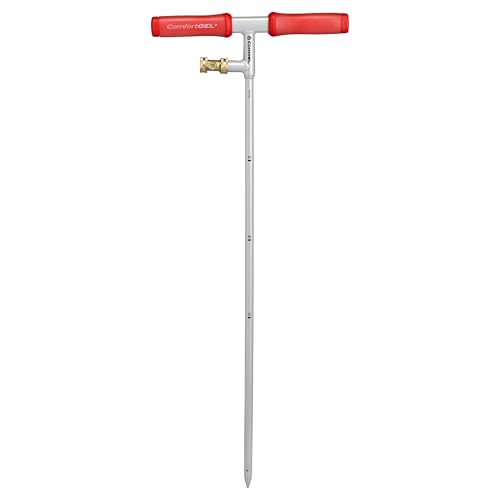
Targeted Deep Root Irrigation – Delivers water directly to the root zone, reducing runoff and evaporation while promoting deeper, healthier root growth for trees, shrubs, and garden plants.
Selecting the Right Tree
Choosing the right tree variety is crucial to your planting success. Consider the following factors:
- Climate: Pick a variety suited to your local climate. For example, apples thrive in temperate regions, while citrus prefers warmer areas.
- Soil Type: Test your soil. Some trees, like cherries, need well-drained soils, while others, like blueberries, prefer acidic conditions.
- Space Availability: Assess your space. Dwarf varieties work well in small gardens, while standard trees require more room to grow.
Visit local nurseries or consult extension services for tips on varieties that perform well in your area.
Gathering Necessary Tools
Having the right tools makes planting easier and more efficient. Gather these essential items before you start:
- Shovel: Use it to dig the hole. A spade version is ideal for precise digging.
- Bucket: Fill this with water for soaking the roots before planting.
- Soil Amendments: Depending on your soil test, you may need compost or fertilizer to improve soil quality.
- Mulch: Gather organic mulch like wood chips or straw for covering the base of the tree after planting.
Check that your tools are clean and in good condition. Having everything ready simplifies your planting process and promotes a healthy start for your tree.
Planting Process
Planting a bare root fruit tree requires attention to detail and careful execution for healthy growth. Follow these steps to ensure success.
Recommended Products

Complete Orchard Starter Bundle: Receive 8 dormant bare root fruit trees with 2 each of Apple,Blueberry, Raspberry, Blackberry. A great way to start or expand a backyard orchard with a variety of delicious fruits.

Product Quantity: 180+ premium bonsai fruit seeds across 5 varieties; Individual packs contain 40+ apple, 40+ lemon, 40+ orange, 20+ blueberry, and 40+ cherry seeds; Perfect for starting a diverse miniature orchard

🍎 3 Live Apple Tree Saplings: Receive three healthy young apple tree saplings ready to plant and grow in your garden, backyard orchard, or container. Plants ship dormant (not leaves or fruit) in spring.
Steps to Plant a Bare Root Fruit Tree
- Inspect the Roots: Check the roots before planting. Remove any damaged or broken roots to promote better growth.
- Soak the Roots: Soak the bare roots in water for several hours. This rehydrates them and helps establish good moisture levels.
- Prepare the Hole: Dig a hole about 2-3 times wider than the root spread and deep enough to accommodate the roots without bending them. Loosen the soil at the bottom for improved drainage.
- Position the Tree: Place the tree in the center of the hole. Ensure the graft union (swelling on the trunk) is above the soil line to prevent rot.
- Backfill with Soil: Gradually fill the hole with soil. Use your hands to pack the soil gently around the roots, eliminating air pockets.
- Water Thoroughly: Water the tree deeply after planting. This settles the soil and provides essential moisture for root development.
- Apply Mulch: Spread a layer of mulch around the base of the tree. Mulch conserves moisture and suppresses weeds, promoting a stable environment for growth.
- Planting Too Deep: Avoid burying the graft union. This can lead to rot and disease.
- Neglecting Soil Preparation: Don’t skip soil amendments. Poor soil quality hampers root development and growth.
- Inadequate Watering: Don’t underestimate the importance of watering. Insufficient moisture can stress the tree and impact its health.
- Ignoring Sunlight Needs: Avoid planting in shaded areas. Bare root fruit trees thrive in full sunlight for optimal growth.
- Forgetting Spacing: Don’t plant trees too close together. Proper spacing promotes better air circulation and reduces competition for nutrients.
By following these steps and avoiding common pitfalls, you can successfully plant your bare root fruit tree, ensuring it develops healthily and produces fruit for years to come.
Post-Planting Care
Taking care of your bare root fruit tree after planting is crucial for its health and growth. By focusing on proper watering, fertilization, mulching, and protection, you set the stage for a thriving tree.
Watering and Fertilization
Watering your newly planted tree is vital. Keep the soil consistently moist but not waterlogged. About 1 to 2 inches of water per week is often sufficient. During dry spells, check the soil moisture regularly.
Fertilization plays a key role in promoting strong growth. Wait until the tree shows new leaf growth before applying fertilizer. Use a balanced, slow-release fertilizer suitable for fruit trees, and follow the package instructions. Generally, a light application in early spring and mid-summer supports healthy trees.
Mulching and Protection
Applying mulch offers numerous benefits. Spread a 3-inch layer of organic mulch, like wood chips or straw, around the base of the tree. This conserves moisture, suppresses weeds, and regulates soil temperature.
Protection is important for young trees. Use tree guards to shield the trunk from sunburn and pests. Ensure the guard isn’t too tight, allowing for natural growth. Monitor for signs of disease or pests, addressing any issues promptly to ensure your tree flourishes.
By following these post-planting care tips, you enhance the chances of a robust tree and a bountiful harvest in the future.
Conclusion
Planting a bare root fruit tree is an exciting journey toward enjoying fresh fruit right from your own backyard. With the right preparation and care you can set your tree up for success and watch it thrive season after season.
Don’t forget to stay attentive to your tree’s needs as it grows. Regular watering and mulching will help it establish strong roots and keep it healthy.
Embrace the process and enjoy the rewards of your hard work. Before you know it you’ll be harvesting delicious fruit and creating wonderful memories in your garden. Happy planting!
Frequently Asked Questions
What are bare root fruit trees?
Bare root fruit trees are young trees sold without any soil around their roots. They are typically dormant when purchased and are ideal for planting in early spring or late fall.
Why should I choose bare root trees for planting?
Bare root trees are cost-effective, easier to handle, and often establish better root systems compared to container-grown trees. They can lead to healthier trees and more fruitful harvests when planted correctly.
What are the ideal conditions for planting bare root trees?
The best conditions for bare root trees include well-drained soil, full sunlight, and proper tree spacing. These factors help ensure healthy growth and development.
How do I choose the right tree variety?
Choosing the right variety involves considering your local climate, soil type, and available space. It’s advisable to consult local nurseries or extension services for recommendations.
What tools do I need for planting bare root fruit trees?
Essential tools include a shovel, bucket, soil amendments, and mulch. Having these tools ready simplifies the planting process and promotes a healthy start for your tree.
What are the steps for planting a bare root fruit tree?
- Inspect and soak the roots.
- Dig the planting hole.
- Position the tree correctly.
- Backfill with soil.
- Water thoroughly and apply mulch.
What common mistakes should I avoid when planting?
Common pitfalls include planting too deep, neglecting soil preparation, not watering adequately, ignoring sunlight needs, and forgetting to space trees appropriately.
How should I care for my bare root fruit tree after planting?
Post-planting care includes keeping the soil consistently moist, applying a balanced fertilizer after new growth appears, mulching to conserve moisture, and protecting the tree from pests and disease.
What protective measures should I take for my fruit tree?
Use tree guards to protect the trunk from sunburn and pests. Additionally, monitor your tree regularly for any signs of disease or infestations to ensure healthy growth.
