

Ever struggled with getting those pesky seeds out of blackberries for your delicious cobbler? You’re not alone. It can be a frustrating task that stands between you and enjoying the sweet goodness of your dessert. But fret not, as we’ve got some simple tips to make this process a breeze.
Imagine preparing your favorite blackberry cobbler without worrying about those tiny seeds ruining the texture. Picture savoring each bite without any unwanted crunch. With our easy-to-follow techniques, you’ll soon be able to extract those seeds effortlessly, ensuring a smooth and enjoyable eating experience every time.
Key Takeaways
- Blackberry seeds can impact the texture of your cobbler, but deseeding them can enhance the eating experience.
- Techniques like using a fine mesh sieve or a food mill are effective for removing blackberry seeds.
- Alternative methods such as mashing and straining through cheesecloth can also help achieve seedless blackberries.
- Preparing seedless blackberry cobbler requires essential ingredients like fresh blackberries, sugar, flour, and butter.
- Maintaining flavor by using ripe berries and paying attention to textural considerations are key for a perfect cobbler.
Understanding Blackberries and Their Seeds
Blackberries are known for their sweet and tart flavor, but those tiny seeds can sometimes get in the way of fully enjoying this delicious fruit in your cobbler. Here’s a closer look at blackberry seeds and how to manage them effectively.
The Nature of Blackberry Seeds
Blackberry seeds are small, edible seeds found within the juicy flesh of the fruit. These seeds can vary in size and texture depending on the variety of blackberry you’re using. While they add a bit of crunch to your cobbler, some may find them bothersome due to their small size and potential for getting stuck in your teeth.
Benefits and Drawbacks of Deseeding
Deseeding blackberries can be a time-consuming task, but it can significantly enhance your eating experience by providing a smoother texture without the interference of crunchy seeds. By removing the seeds, you’ll achieve a more refined dessert that is easier to enjoy without any unwanted distractions.
Understanding blackberry seeds allows you to appreciate both their benefits and drawbacks when preparing a delectable cobbler. Whether you prefer to keep the seeds for added texture or remove them for a seamless bite, knowing how to handle blackberries effectively ensures a delightful culinary experience each time.
Techniques for Removing Seeds
When preparing blackberries for your delicious cobbler, you might want to remove the seeds to enhance the overall texture and eating experience. Here are some effective techniques you can use:
Recommended Products

4-DISC VERSATILITY FOR COMPLETE TEXTURE CONTROL: Create smooth puree, tomato sauce, applesauce, baby food, mashed potatoes, jams, and more with 4 interchangeable stainless steel discs. From fine to coarse to ultra-fine, this premium food mill gives you better control for everyday cooking, canning, and preserving
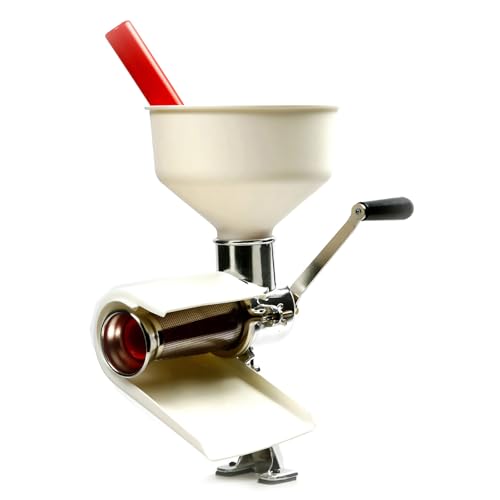

【STURDY STAINLESS STEEL】: The food mill is made of high quality stainless steel, sturdy and durable, mirror polished, shiny and bright, the surface of the crank handle is covered with soft silicone, which can be used as a non-slip function.
Using a Fine Mesh Sieve
To get those pesky seeds out of your blackberries, try using a fine mesh sieve. This method involves pressing the blackberry mixture through the sieve, which traps the seeds while allowing the pulp to pass through. It’s a simple yet efficient way to achieve seedless blackberries for your cobbler.
Employing a Food Mill
Another handy tool for seed removal is a food mill. By passing the blackberries through the food mill, you can separate the seeds from the pulp effortlessly. The food mill ensures that only the smooth puree without any unwanted seeds makes its way into your cobbler mixture, resulting in a delectably smooth dessert.
Alternative Methods for Seed Removal
If you don’t have a fine mesh sieve or a food mill on hand, fret not! There are still alternative methods you can utilize to deseed your blackberries. One option is gently mashing the berries with a fork or spoon and then straining them through cheesecloth or a coffee filter. While this method may take slightly more effort, it can yield similar results by removing those tiny seeds effectively.
Preparing Blackberry Cobbler
When it comes to making a delicious blackberry cobbler, ensuring your blackberries are seedless is essential for a smooth and enjoyable dessert experience. Here’s how you can prepare your blackberries for the perfect cobbler:
Ingredients for Seedless Blackberry Cobbler
To create a seedless blackberry cobbler, you’ll need the following ingredients:
- Fresh blackberries
- Sugar
- All-purpose flour
- Baking powder
- Salt
- Milk
- Butter
Ensure you have these ingredients on hand before starting the preparation process.
Step-by-Step Baking Guide
Follow these steps to make a delectable seedless blackberry cobbler:
- Preheat Your Oven: Start by preheating your oven to the required temperature as per your cobbler recipe.
- Prepare the Blackberries: Remove the seeds from your blackberries using a fine mesh sieve or food mill. Alternatively, mash the berries and strain them through cheesecloth to achieve a seedless mixture.
- Combine Ingredients: In a separate bowl, mix sugar, flour, baking powder, salt, milk, and melted butter to create the cobbler batter.
- Assemble Your Cobbler: Pour the prepared batter into a baking dish and top it with the seedless blackberry mixture.
- Bake Until Golden Brown: Place the cobbler in the preheated oven and bake until it turns golden brown and bubbly.
- Serve Warm: Let your delicious seedless blackberry cobbler cool slightly before serving it warm with a scoop of vanilla ice cream.
By following these simple steps and deseeding your blackberries beforehand, you’ll savor every bite of your flavorful and smooth blackberry cobbler without any unwanted seeds getting in the way.
Tips for Perfect Cobbler
When aiming for the perfect cobbler, there are key factors to consider to ensure your dessert turns out delightful. Here are some tips to help you achieve a flawless blackberry cobbler:
Maintaining Flavor While Deseeding
To maintain the rich flavor of your blackberry cobbler while removing the seeds, focus on using fresh and ripe berries. The sweetness and juiciness of ripe blackberries will enhance the overall taste of your dessert even after deseeding them. Additionally, adding a touch of lemon zest or a splash of vanilla extract can elevate the flavor profile and balance any loss of taste that may occur during the deseeding process.
Textural Considerations
When deseeding blackberries for your cobbler, pay attention to the desired texture of the fruit filling. Strive for a balance between smoothness and fruit integrity by gently crushing the berries with a fork or potato masher instead of completely pureeing them. This technique preserves some berry chunks, adding texture and visual appeal to your cobbler while ensuring a pleasant mouthfeel with every bite.
Conclusion
Now you have all the tools and tips needed to create a delicious blackberry cobbler without the hassle of unwanted seeds. By deseeding your blackberries using the techniques mentioned, you can achieve a smoother consistency in your dessert. Remember to focus on flavor by using fresh, ripe berries and adding extra touches like lemon zest or vanilla extract. Textural balance is key, so gently crush those berries for the perfect filling. With these simple steps, you’ll be able to enjoy a flavorful and textured blackberry cobbler that everyone will love!
Frequently Asked Questions
Q: Why is deseeding blackberries important when making cobbler?
A: Deseeding blackberries is crucial to achieve a smoother consistency in the cobbler and enhance the overall eating experience.
Q: What are some benefits of removing blackberry seeds?
A: Removing seeds improves texture, reduces bitterness, and makes the cobbler more enjoyable to eat.
Q: How can I deseed blackberries effectively?
A: Use tools like a fine mesh sieve, food mill, or cheesecloth for efficient seed removal while retaining flavor.
Q: What tips can help me create a perfect blackberry cobbler?
A: Opt for fresh and ripe berries, add lemon zest or vanilla extract for flavor, and gently crush berries for ideal texture.
