

Growing avocado trees in the District of Columbia can be a rewarding endeavor with proper planning and care. Urban gardeners can successfully cultivate these trees by selecting suitable varieties and implementing effective growing practices tailored to the local climate.
Best Avocado Varieties for D.C. Gardens
Selecting the right avocado varieties is crucial for successful urban gardening in the District of Columbia. Given the region’s unique climate and growing conditions, certain types thrive better than others. This section explores the best avocado varieties suited for D.C. gardens, ensuring gardeners can enjoy a bountiful harvest.
Choosing the appropriate avocado varieties for the District of Columbia is crucial for successful growth. The region’s climate presents challenges, including cold winters and hot summers.
Opt for varieties that are more tolerant to cooler temperatures, such as the Bacon or Fuerte avocados. These types can withstand temperatures as low as 25°F, making them suitable for urban gardens.
| Variety | Cold Tolerance | Flavor Profile | Growth Habit |
|---|---|---|---|
| Bacon | 25°F | Mild, creamy | Upright |
| Fuerte | 30°F | Buttery, nutty | Spreading |
| Hass | 30°F | Rich, creamy | Spreading |
| Pinkerton | 28°F | Rich, nutty | Upright |
Recommended Products

Mimosa Nursery - Mexicola Avocado - Grafted Tree - 1 Feet Tall - Ship in Plastic Bag

Not available in CA
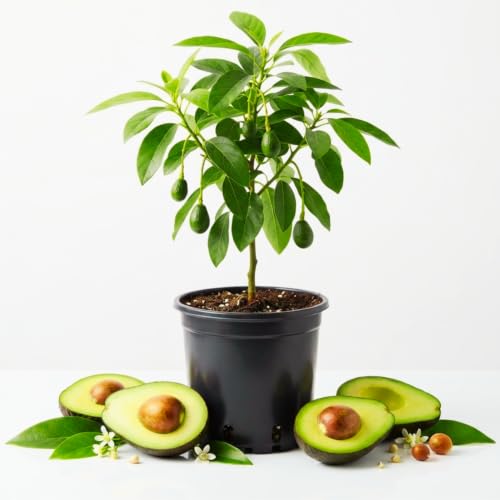
Live hass avocado tree: includes 1avocado plant, measuring 8-10 inches tall, well-rooted and ready for planting
Avocado Tree Urban Garden Preparation
Preparing to grow avocado trees in urban gardens within the District of Columbia requires careful planning and consideration of local conditions. From selecting the right varieties to understanding soil and sunlight needs, successful cultivation hinges on creating an optimal environment for these tropical plants. This section outlines essential steps for establishing a thriving avocado garden in an urban setting.
Creating a suitable environment for avocado trees involves several key preparations. Start by selecting a location that receives full sunlight for at least six hours daily.
Ensure the soil is well-draining and rich in organic matter. Consider using raised beds or containers to improve drainage and control soil quality.
Avocado Tree Soil pH and Amendments
Understanding the soil pH requirements for avocado trees is crucial for successful cultivation in the District of Columbia’s urban gardens. This section delves into the ideal pH levels and necessary soil amendments to ensure healthy growth and fruit production, providing essential insights for local gardeners looking to optimize their avocado planting efforts.
The soil pH for avocado trees should ideally range from 6 to 7. Conduct a soil test to determine nutrient levels and pH. Amend the soil with compost or well-rotted manure to enhance fertility.
Avocado Tree Watering Techniques
Proper watering techniques are crucial for the success of avocado trees, especially in the unique climate of the District of Columbia. Understanding the specific water needs of these trees can help urban gardeners cultivate healthy plants that thrive in an urban environment. This section explores effective watering strategies tailored for avocado trees in this region.
Avocado trees require consistent moisture, especially during their first few years. Implement a watering schedule that allows the top inch of soil to dry out between waterings. This practice prevents root rot while ensuring the tree receives adequate hydration.
Pest and Disease Management for Avocado Trees
Effective pest and disease management is crucial for the health of avocado trees, especially in urban environments like the District of Columbia. Understanding the common threats these trees face and implementing proactive strategies can significantly enhance their growth and yield. This section explores the key pests and diseases affecting avocado trees and offers practical solutions for urban gardeners.
Maintaining the health of your avocado trees involves vigilance against pests and diseases. Common pests include aphids, spider mites, and scale insects. Regularly inspect your trees and use organic insecticidal soap to manage infestations.
Avocado Tree Pest Management Strategies
Managing pests effectively is crucial for the health of avocado trees in urban gardens throughout the District of Columbia. This section explores various strategies that gardeners can implement to protect their trees from common pests, ensuring robust growth and fruitful yields in a city environment. Understanding these methods will help urban gardeners cultivate thriving avocado trees.
Aphids: Small, green insects that suck sap from leaves.
Spider Mites: Tiny pests that cause stippling on leaves.
Scale Insects: Hard, shell-like pests that attach to stems and leaves.
Air Circulation and Disease Management
Effective air circulation is crucial for maintaining the health of avocado trees in the District of Columbia’s urban gardens. Proper airflow helps prevent the buildup of humidity, which can lead to fungal diseases and other issues. Understanding how to optimize air circulation can significantly enhance the success of growing these trees in a metropolitan environment.
Prevent diseases by ensuring good air circulation around your trees. Avoid overhead watering, which can promote fungal infections. If you notice signs of disease, such as wilting or leaf spots, consult local extension services for guidance.
Fertilization Techniques for Avocado Trees
Effective fertilization is crucial for the health and productivity of avocado trees, especially in urban settings like the District of Columbia. Understanding the specific nutritional needs and optimal application methods can significantly enhance growth and fruit yield. This section explores various fertilization techniques tailored for avocado trees thriving in urban gardens.
Proper fertilization is essential for the healthy growth of avocado trees. Use a balanced fertilizer specifically formulated for fruit trees. Apply fertilizer in early spring and again in late summer to support growth and fruit development.
| Fertilizer Type | Application Rate | Frequency |
|---|---|---|
| Balanced (10-10-10) | 1 cup per tree | Early spring, late summer |
| Organic compost | 2-3 inches around base | Every 3-4 months |
Winter Care Strategies for Avocado Trees
Winter can be a challenging season for avocado trees, especially in the District of Columbia’s urban environment. Proper care during these colder months is essential to ensure the health and vitality of your trees. This section outlines effective strategies to protect your avocado trees from winter’s harsh conditions, helping them thrive even in a city setting.
The District of Columbia can experience harsh winters, making winter protection necessary for avocado trees. Consider wrapping the trunk with burlap to insulate against cold temperatures. Mulching around the base can also help retain soil warmth.
Container Gardening for Avocado Trees
Container gardening offers an ideal solution for growing avocado trees in the District of Columbia, where space and climate can pose challenges. By utilizing pots and suitable soil, urban gardeners can successfully cultivate these nutrient-rich trees, ensuring they thrive even in limited urban settings. This approach not only maximizes space but also allows for greater control over growing conditions.
For urban gardeners, planting avocado trees in containers allows for easier winter protection. Move containers indoors or to a sheltered location during extreme cold spells. Ensure containers have adequate drainage to prevent root rot.
Microclimate Strategies for Avocado Growth
Understanding microclimates is essential for successfully growing avocado trees in the District of Columbia. This section explores various strategies to create favorable conditions that enhance growth and fruit production, taking into account the unique urban environment and climate challenges faced by gardeners in the area. By leveraging these techniques, urban gardeners can optimize their avocado cultivation efforts.
Utilize microclimates within your garden to provide additional warmth. Plant avocado trees near south-facing walls or structures that absorb heat during the day and release it at night.
Optimal Timing for Avocado Harvest
Knowing when to harvest is key to enjoying your avocado trees‘ fruits. Avocados do not ripen on the tree but must be picked at the right time for optimal flavor. Generally, avocados are ready to harvest when they reach full size and the skin color changes slightly.
Bacon: Harvest in late summer to early fall.
Fuerte: Ready in late fall to winter.
Hass: Harvest in late winter to spring.
Urban Avocado Tree Care Essentials
Caring for avocado trees in the District of Columbia requires an understanding of the unique urban environment. From soil selection to pest management, the essentials of avocado tree care are crucial for thriving plants in city gardens. This section outlines the key practices to ensure successful growth and fruit production in urban settings.
Growing avocado trees in the District of Columbia requires careful selection, preparation, and ongoing care. With the right practices, urban gardeners can enjoy the fruits of their labor.
