

Have you ever enjoyed a sweet, juicy persimmon and thought about growing your own tree? It’s easier than you might think! Instead of buying a sapling, you can start from the fruit itself, turning your kitchen scraps into a thriving tree.
Key Takeaways
- Types of Persimmons: Understand the distinction between American (small and astringent when unripe) and Asian (larger and sweeter) persimmons to choose the right tree for your climate and taste preferences.
- Climate and Soil Needs: Ensure your persimmon tree thrives by selecting the appropriate USDA hardiness zone (4-10), providing full sun (6-8 hours/day), and using well-draining soil with a pH between 6.0-7.5.
- Seed Preparation: Start with ripe persimmons, extract and clean the seeds thoroughly, and let them dry before planting for improved germination success.
- Planting Techniques: Plant seeds in rich, well-draining soil, soak them beforehand, and maintain moisture without saturation to promote healthy seed growth.
- Tree Care Essentials: Regular watering, early spring fertilization, and proper pruning are crucial for nurturing young persimmon trees and enhancing future fruit production.
- Harvesting Tips: Recognize when to harvest ripe persimmons by checking color and softness, and handle them carefully to ensure quality and flavor.
Understanding Persimmon Trees
Persimmon trees are unique and rewarding plants that bear sweet fruits. They thrive in specific conditions, making understanding their types and climate requirements essential for successful cultivation.
Types of Persimmon Trees
Persimmon trees mainly fall into two categories: American persimmons and Asian persimmons.
- American Persimmons: Native to the eastern United States, American persimmons (Diospyros virginiana) grow to about 30-60 feet tall. Their fruits are small, round, and can be astringent when unripe.
- Asian Persimmons: Asian persimmons (Diospyros kaki) are larger than their American counterparts and typically yielded in the fall. These trees can reach heights of up to 25 feet and produce sweeter fruits. Varieties include ‘Fuyu’ and ‘Hachiya’.
Climate Requirements
Persimmon trees need specific climate conditions for optimal growth.
- Hardiness Zones: American persimmons thrive in USDA hardiness zones 4-9, while Asian persimmons flourish in zones 7-10. Assess your local zone before planting.
- Sunlight: Choose a location with full sun exposure, ideally 6-8 hours per day. Adequate sunlight promotes healthy fruit production and tree vigor.
- Soil Type: Prefer well-draining soils with a pH between 6.0-7.5. Sandy loam works best, but persimmons adapt to various soil types as long as drainage is adequate.
By choosing the right type of persimmon tree and ensuring suitable climate conditions, you set the foundation for a thriving tree and abundant fruit yield.
Preparing the Seeds
Preparing seeds from a persimmon fruit involves careful selection and cleaning to ensure success. Here’s how you can effectively prepare your seeds.
Recommended Products

EASIER SEED STARTING: Our Burpee SuperSeed tray with 36 flexible pop-out cells is designed to simplify indoor seed starting for all your favorite vegetables, flowers and herbs. Just add seed starting mix, seeds, water and light to get growing! Rows are labeled alphanumerically for seedling identification with included Plant-o-Gram diagram. Tray dimensions: 11.5" x 10-3/8" x 2-1/4"
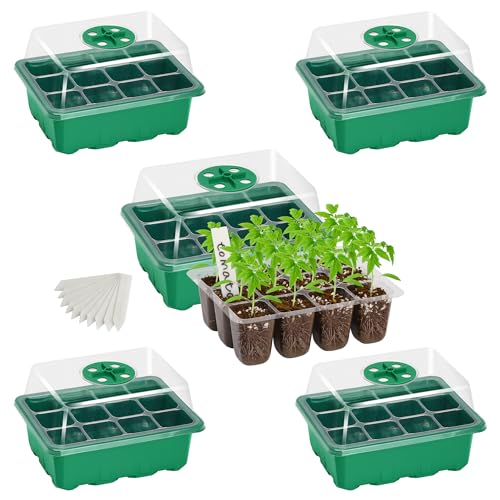
【Keep an eye on your plant】: The only design in the market- High quality clear plastic trays of this seed grow kit make it easier to observe your plants without interrupting the process.

Adjustable Vents: The seed trays have adjustable vents that allow you to regulate the temperature and humidity of your seedling environment for total control over the growing process.
Selecting Ripe Fruit
Select fully ripe persimmons for seed extraction. Look for fruits that have vibrant color and a slightly soft texture. For instance, if you choose an American persimmon, aim for fruits that are orange to golden yellow, while Asian varieties should feel tender and be a deep orange when ripe. Choose at least two or three fruits, as this increases your chances of obtaining viable seeds.
Extracting and Cleaning Seeds
Extract seeds from the selected ripe fruit by slicing the persimmon open. Use a clean knife to cut them in half, making sure not to crush the seeds. Take out the seeds from the pulp and rinse them under water to remove any fruit residue. This cleaning process helps prevent mold and improves seed viability. After rinsing, place the seeds on a paper towel and let them dry thoroughly for 24 to 48 hours. Once dry, store them in a cool, dark place until you’re ready to plant.
Planting the Seeds
Planting persimmon seeds requires careful consideration of soil selection and planting techniques to ensure successful growth.
Choosing the Right Soil
Select well-draining soil rich in organic matter for optimal growth. Aim for a pH level between 6.0 and 7.0. Use a mix of garden soil, compost, and perlite or sand to improve drainage. Avoid heavy clay soils that retain excess moisture, as this can lead to seed rot.
- Prepare the Seeds: Soak the dried seeds in water for 24 hours before planting. This helps with germination.
- Sow the Seeds: Plant the seeds about 1 inch deep in the soil. Space them at least 2 inches apart to allow for growth.
- Water Carefully: Water the seeds lightly after planting, keeping the soil moist but not saturated. Overwatering can cause root problems.
- Provide a Warm Environment: Place the pots in a warm area with plenty of sunlight. Aim for a temperature of around 70°F to 85°F.
- Thin Seedlings: When seedlings reach about 3 inches tall, thin them by removing the weaker ones, leaving the strongest to continue growing.
By following these steps and maintaining proper care, you can successfully plant persimmon seeds and encourage healthy growth.
Caring for the Young Tree
Caring for your young persimmon tree is crucial for its healthy growth and eventual fruit production. Focus on key aspects like watering, fertilizing, pruning, and shaping to ensure your tree thrives.
Recommended Products

🌿 Balanced 10-10-10 Granular Fertilizer for Outdoor & Indoor Plants: All-purpose plant food with 10% Nitrogen, 10% Phosphorus, and 10% Potassium. Perfect for outdoor vegetable gardens, fruit trees, evergreens, shrubs, lawns, and flowers. Also great for potted plants and indoor gardening. One solution for all your plant needs!

🌿 Balanced 10-10-10 Granular Fertilizer for Outdoor & Indoor Plants: All-purpose plant food with 10% Nitrogen, 10% Phosphorus, and 10% Potassium. Perfect for outdoor vegetable gardens, fruit trees, evergreens, shrubs, lawns, and flowers. Also great for potted plants and indoor gardening. One solution for all your plant needs!

🌿 Balanced 10-10-10 Granular Fertilizer for Outdoor & Indoor Plants: All-purpose plant food with 10% Nitrogen, 10% Phosphorus, and 10% Potassium. Perfect for outdoor vegetable gardens, fruit trees, evergreens, shrubs, lawns, and flowers. Also great for potted plants and indoor gardening. One solution for all your plant needs!
Watering and Fertilizing
Water your young persimmon tree regularly, especially during the first few years. Keep the soil consistently moist but not waterlogged. A good rule of thumb is to water when the top inch of soil feels dry. Aim for deep watering sessions about once a week.
Fertilize the tree in early spring using a balanced, slow-release fertilizer. Follow the package instructions for dosage based on the tree’s age and size. A common choice is a 10-10-10 (N-P-K) fertilizer. Reapply every 6 to 8 weeks during the growing season to promote vigorous growth and healthy fruit development.
Pruning and Shaping
Prune your young persimmon tree to encourage a strong structure and prevent overcrowding. Begin pruning in late winter or early spring before new growth starts. Remove any dead, damaged, or crossing branches to improve air circulation. Thin out crowded areas to allow light to reach the inner branches.
Shape the tree to develop an open canopy. Cut back any vertical shoots that grow too tall, encouraging lateral branches to spread out. This practice leads to a balanced form, which helps the tree bear fruit more effectively in later years.
Harvesting Persimmons
Harvesting persimmons at the right time ensures sweet, flavorful fruit. Understanding when and how to pick these fruits makes a difference in taste and quality.
Identifying Ripeness
Identifying ripe persimmons requires attention to color and texture. Look for orange or yellow fruits for the best flavor. When fully ripe, persimmons soften, often feeling slightly squishy to the touch. Asian persimmons, especially varieties like Fuyu, can be harvested when still firm but fully colored. American persimmons may need to soften on the tree to reach peak sweetness.
Best Practices for Harvesting
Best practices for harvesting persimmons include using clean, sharp tools. Follow these steps to ensure quality:
- Timing: Harvest in late fall when the fruits change color. Check frequently as they can ripen quickly.
- Cutting: Use scissors or pruning shears to avoid damaging the branch. Cut the stem about 1 inch above the fruit.
- Handling: Handle persimmons gently to prevent bruising. Place them in padded containers to protect them during transport.
- Storage: Store ripe fruits at room temperature for a few days or refrigerate them for longer freshness.
Following these guidelines helps you enjoy the sweet rewards of your persimmon tree.
Conclusion
Growing a persimmon tree from fruit is a fun and rewarding experience. With just a few simple steps you can turn leftover fruit into a beautiful tree that produces delicious persimmons.
As you nurture your tree from seed to harvest remember to be patient. Each stage of growth brings its own joys and challenges.
Soon enough you’ll be enjoying the sweet fruits of your labor. So go ahead and give it a try. Your very own persimmon tree is waiting to flourish in your backyard.
Frequently Asked Questions
Can you grow a persimmon tree from its fruit?
Yes, you can grow a persimmon tree from the fruit. By extracting seeds from fully ripe persimmons and following proper planting techniques, you can transform kitchen scraps into a thriving tree.
What are the main types of persimmon trees?
The two main types of persimmon trees are American persimmons, which are native to the eastern United States, and Asian persimmons, known for being larger and sweeter.
What climate is best for growing persimmon trees?
Persimmons thrive in hardiness zones 4 to 10, preferring full sun and well-drained soil. Ensure the soil has a pH level between 6.0 and 7.0 for optimal growth.
How do you extract seeds from persimmons?
To extract seeds, slice open fully ripe persimmons, remove the seeds, clean them to eliminate pulp residue, and allow them to dry before storage.
What soil is best for planting persimmon seeds?
Use well-draining soil rich in organic matter, avoiding heavy clay. A pH level between 6.0 and 7.0 is ideal for successful growth.
How should I plant persimmon seeds?
Soak the seeds for 24 hours before planting. Sow them about 1 inch deep, spacing them at least 2 inches apart to allow for growth.
How often should I water a young persimmon tree?
Regular watering is crucial, especially during the first few years. Ensure the soil remains moist but not waterlogged to encourage healthy growth.
How can I care for a young persimmon tree?
Care involves regular watering, fertilizing in early spring with a balanced fertilizer, pruning for shape and structure, and thinning seedlings for optimal growth.
When is the best time to harvest persimmons?
Harvest persimmons when they have a vibrant color and slightly soft texture. Timing is key to ensure the fruit is sweet and flavorful.
How should I store harvested persimmons?
Store harvested persimmons in a cool, dry place to maintain freshness. Handle them gently to prevent bruising, and use clean, sharp tools when harvesting.
