

Have you ever thought about growing your own jujube fruit tree? If you’re looking for a low-maintenance tree that produces delicious, nutritious fruit, you’ve come to the right place. Jujube trees are perfect for home gardens, offering a unique taste and various health benefits.
Key Takeaways
- Nutritional Benefits: Jujube fruit is rich in vitamin C and antioxidants, promoting overall health and wellness.
- Low Maintenance: These trees require minimal care, including drought tolerance and resistance to pests, making them ideal for busy gardeners.
- Ideal Growing Conditions: Jujube trees thrive in temperate climates with full sun and well-drained soil; they can adapt to various soil types.
- High Yield Potential: A single jujube tree can produce up to 100 pounds of fruit annually, ensuring a bountiful harvest.
- Caring for Your Tree: Regular watering during the first growing season and balanced fertilization are essential for healthy growth and fruit production.
- Pest and Disease Management: Stay vigilant for common pests like fruit flies and scale insects, and implement preventative measures to maintain tree health.
Benefits Of Growing Jujube Fruit Trees
Growing jujube fruit trees offers several advantages that make them an appealing choice for gardeners.
Nutritional Value
Jujube fruit is rich in vitamins and minerals. It’s high in vitamin C, which boosts the immune system. Additionally, it contains antioxidants that help fight free radicals. Regular consumption may promote overall health.
Drought Tolerance
Jujube trees are highly drought-tolerant once established. They thrive in arid conditions, making them excellent for regions with low rainfall. Lower water needs mean less maintenance for you.
Pest Resistance
Jujube trees have a natural resistance to many pests. This resistance reduces the necessity for chemical pesticides, creating a healthier growing environment. You enjoy a more straightforward gardening experience.
Versatile Uses
Jujube fruits can be eaten fresh, dried, or processed into jams and jellies. Their sweet, chewy texture and distinct flavor make them versatile in various culinary applications. You can enjoy them in many dishes or snacks.
Aesthetic Appeal
Jujube trees display lovely foliage and striking bark. They provide visual interest throughout the year, enhancing your garden’s aesthetic. You gain a beautiful tree that bears delicious fruit.
Low Maintenance
Jujube trees require minimal care. They tolerate poor soil conditions and don’t need frequent pruning. This low-maintenance nature suits busy gardeners looking for productive plants. You can spend more time enjoying your garden and less time working in it.
High Yield
Jujube trees often produce substantial fruit yields. A single tree can yield up to 100 pounds of fruit annually, depending on the variety and care. High productivity means you enjoy a bountiful harvest.
These benefits make jujube fruit trees a smart addition to any home garden. You improve your health, enjoy delicious fruits, and enhance your outdoor space with ease.
Ideal Growing Conditions
Jujube trees thrive in specific conditions that enhance their growth and fruit production. Understanding these requirements ensures successful cultivation.
Recommended Products
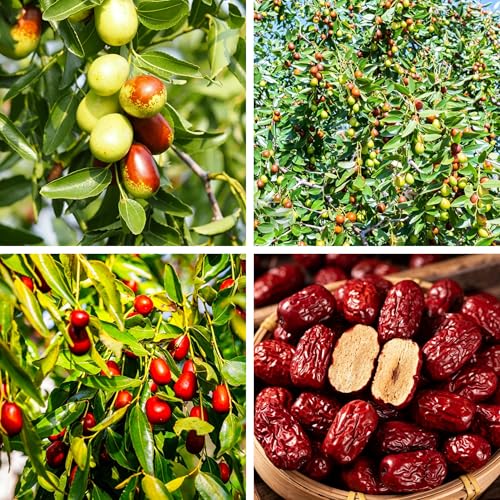
Easy to Sow: Jujube seeds adapt to most climates, low-maintenance for home gardens

Grow Your Own Fruit - Produces large, high-quality fruit with a sweet, crisp, apple-like flavor - excellent for fresh eating or drying

Climate Requirements
Jujube trees prefer a temperate climate with warm summers and cold winters. They tolerate temperature ranges from 15°F to 120°F, making them versatile for various regions. Ideally, you want at least 150 frost-free days for optimal fruit development. Jujube trees benefit from full sun exposure, aiming for 6 to 8 hours of direct sunlight daily. This not only promotes healthy growth but also increases fruit yield.
Soil Type
Jujube trees adapt well to various soil types, including sandy, loamy, and even clay soils. They prefer well-drained soil with good aeration. Soil pH should range from 6.0 to 8.0 for best results. When planting, ensure soil drains well to prevent root rot; you can mix compost or sand into the soil if drainage is a concern. Adding organic matter a few months before planting supports tree establishment and nutrient availability.
Planting Jujube Fruit Trees
Planting jujube fruit trees involves careful selection and attentive care. These steps ensure healthy growth and fruitful harvests.
Recommended Products

Product Quantity: 180+ premium bonsai fruit seeds across 5 varieties; Individual packs contain 40+ apple, 40+ lemon, 40+ orange, 20+ blueberry, and 40+ cherry seeds; Perfect for starting a diverse miniature orchard

4 kinds of the most popular fruits, individually packaged, 50pcs Lemon seeds 50pcs Cherry seeds 50pcs Orange seeds 50pcs Apple seeds Fresh seeds, all fruit seeds are packed in tear and moisture resistant zipper sealed bags for your long term storage.

🌱 4 Unique Fruit Bonsai Varieties: Includes 40 total seeds: 10 Papaya, 10 Peach, 10 Cherry, and 10 Banana seeds. A fun and unique collection for growing miniature fruit trees and experimenting with bonsai growing techniques.
Choosing The Right Variety
Choose a jujube variety that suits your climate and taste preferences. Popular options include:
- Li: Known for its sweet, crispy fruit. This variety thrives in warm climates.
- Lang: Produces larger, more elongated fruit with a rich flavor. It adapts well to various soils.
- Sugar: Offers a high sugar content, making it perfect for fresh eating. This variety prefers full sun.
Select a variety based on your local conditions and fruit usage, whether for eating fresh or drying.
- Select the Site: Choose a sunny location with well-drained soil. Avoid low-lying areas where water accumulates.
- Prepare the Soil: Amend the soil with organic matter, such as compost, to improve drainage and nutrients.
- Dig the Hole: Create a hole that’s twice as wide and as deep as the root ball. This allows roots to spread easily.
- Plant the Tree: Position the tree in the center of the hole. Ensure the root crown sits level with the soil surface. Backfill the hole gently.
- Water Thoroughly: Saturate the soil after planting. This helps eliminate air pockets and supports root establishment.
- Mulch: Apply a 2-3 inch layer of mulch around the base. This retains moisture and suppresses weeds.
- Care and Maintenance: Water regularly during the first growing season. Jujube trees thrive on minimal pruning; only remove dead or damaged branches.
Follow these steps to ensure your jujube trees establish well and offer bountiful fruit.
Care And Maintenance
Caring for a jujube fruit tree involves proper watering, fertilization, and occasional pruning. These practices ensure your tree remains healthy and productive.
Recommended Products
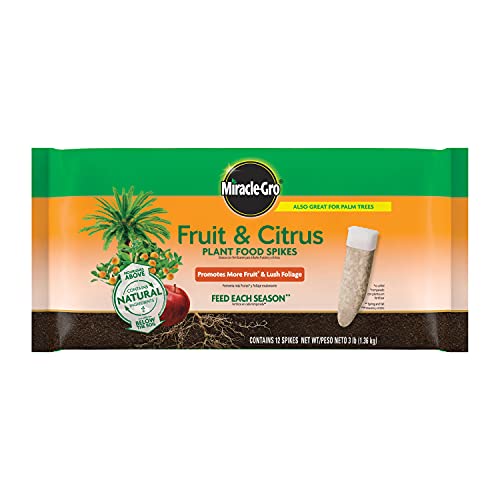
FORMULATED FOR CITRUS AND FRUIT TREES: Use these citrus fertilizer spikes on apple, orange, lemon, lime, and avocado trees; this formula is also great for feeding palm trees

Package contains 4 Pounds organic fruit and citrus fertilizer grains and is produced to avoid wasteful runoff, mess, hazards and smells
Watering And Fertilization
Watering is vital, especially during the first growing season. Water your jujube tree deeply once or twice a week, allowing the soil to dry out between sessions. This encourages deep root growth. Once established, jujube trees are drought-tolerant and require less frequent watering.
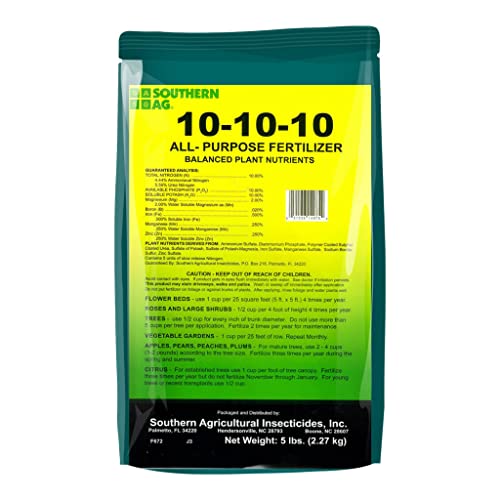
Fertilization supports growth and fruit production. Use a balanced fertilizer in early spring. Apply about 1 pound of a 10-10-10 NPK fertilizer for each year of the tree’s age, up to 5 pounds for mature trees. If you prefer organic methods, compost or well-aged manure provides essential nutrients and improves soil quality.
Pruning Techniques
Pruning maintains the shape and health of your jujube tree. Begin pruning in late winter or early spring when the tree is dormant. Focus on removing dead or diseased branches. Thin out crowded areas to improve air circulation and sunlight penetration.
You can also perform heading cuts to encourage bushier growth. Cut back healthy branches by one-third to promote new growth and fruiting. Avoid excessive pruning, as this can lead to reduced fruit yield.
By implementing these care strategies, your jujube tree will thrive, rewarding you with a bountiful harvest of delicious fruit.
Common Pests And Diseases
Jujube trees, while robust, can still encounter pests and diseases that affect their growth and fruit quality. Understanding these threats helps you effectively manage and prevent them.
Identification And Prevention
One common pest is the jujube fruit fly, which appears as a small yellow fly. This pest lays eggs in the fruit, causing decay. Regularly inspect your trees, especially the fruit, for signs of infestation. If you notice small holes or fruit that feels mushy, take action immediately.
Another pest, the scale insect, can be identified by the small, sticky residues and tiny bumps on the bark. It siphons sap from the tree, weakening it over time. To prevent scale infestation, keep your jujube trees healthy and stress-free through proper watering and fertilization.
Diseases like root rot also pose a threat. Signs include wilting leaves and poor growth. Ensure good drainage and avoid overwatering to prevent this issue. Additionally, monitor for fungal infections such as leaf spots or blight. These diseases appear as discolored patches on leaves. Practicing good garden hygiene, like cleaning fallen leaves, minimizes the risk of disease.
Treatment Options
For jujube fruit fly infestations, hang yellow sticky traps around your trees to catch adult flies. You can also remove affected fruit promptly to reduce egg-laying opportunities. If infestations persist, consider using insecticidal soap as a treatment.
To combat scale insects, apply horticultural oil or insecticidal soap directly to the pests. This treatment suffocates them. Repeat applications may be necessary until you see improvement.
In case of root rot, remove affected roots and improve soil drainage by incorporating organic matter. Fungal infections often require fungicidal sprays. Apply these sprays according to instructions on the label for the best results.
Maintaining tree health and promptly addressing issues ensures that your jujube trees thrive and produce delicious fruit year after year.
Conclusion
Growing jujube fruit trees can be a rewarding experience for any gardener. With their low-maintenance requirements and delicious fruit it’s easy to see why they’re a favorite. By providing the right conditions and care you can enjoy a beautiful tree that thrives in your garden.
As you embark on this journey remember to be patient. It might take some time for your tree to establish and produce fruit but the wait will be worth it. Soon you’ll be savoring the sweet taste of jujube fruits and reaping the health benefits they offer. Happy gardening and enjoy the fruits of your labor!
Frequently Asked Questions
What are jujube trees known for?
Jujube trees are known for their low maintenance requirements and the delicious, nutritious fruit they produce. They are drought-tolerant, pest-resistant, and can thrive in poor soil, making them excellent candidates for home gardens.
How much fruit can a jujube tree produce?
A single jujube tree can produce up to 100 pounds of fruit annually, providing a substantial yield for home gardeners looking to enjoy fresh or dried fruit.
What are the ideal growing conditions for jujube trees?
Jujube trees thrive in temperatures ranging from 15°F to 120°F, preferring full sun with at least 6 to 8 hours of direct sunlight daily. They do well in well-drained soil with a pH of 6.0 to 8.0.
How do you plant a jujube tree?
To plant a jujube tree, select a sunny location with well-drained soil. Prepare the soil with organic matter, dig an appropriate-sized hole, position the tree properly, and water thoroughly. Mulching helps retain moisture.
What care do jujube trees need?
Jujube trees need deep watering once or twice a week during their first growing season and may require fertilization with a balanced fertilizer in early spring. Minimal pruning helps maintain their shape and health.
What pests and diseases affect jujube trees?
Common pests include the jujube fruit fly and scale insects. Preventive measures include regular inspections and ensuring good drainage. Treatment options consist of sticky traps, horticultural oil, and fungicidal sprays for diseases.
How do jujube fruits taste and how can they be used?
Jujube fruits have a unique sweet flavor, often likened to dates. They can be enjoyed fresh, dried, or used in various culinary applications such as desserts, teas, and salads.
Are jujube trees suitable for all climates?
Jujube trees prefer temperate climates with warm summers and cold winters. They require at least 150 frost-free days for optimal fruit development, making them less suitable for very cold or humid climates.
