

Have you ever tasted the sweet, tangy flavor of mangosteen and wished you could grow your own? Imagine stepping into your backyard and picking fresh mangosteen right from your tree. It sounds like a dream, doesn’t it?
Key Takeaways
- Optimal Growing Conditions: Mangosteen trees thrive in tropical climates with temperatures between 68°F and 95°F, high humidity, and full sunlight to encourage growth.
- Soil Requirements: Use well-drained, loamy soil with a pH of 5.5 to 6.5. Avoid heavy clay to prevent root rot, and enrich the soil with organic matter for better drainage and nutrient content.
- Planting Best Practices: Select high-quality seeds, soak them before planting, and provide sufficient space (20 feet apart) for growth. Water thoroughly after planting and mulch the base to retain moisture.
- Care and Maintenance: Water consistently, apply balanced fertilizers every few months, and monitor for pests using organic treatments to ensure healthy growth and fruit production.
- Harvesting Techniques: Recognize ripe fruit by its dark purple color and firm texture. Harvest in the morning using sharp shears, and handle the fruit carefully to prevent bruising.
- Sustainable Benefits: Growing mangosteen not only provides health benefits from its nutrient-rich fruit but also enhances garden aesthetics and promotes self-sufficiency.
Understanding Mangosteen Fruit Trees
Mangosteen fruit trees are tropical plants known for their unique, sweet flavor. These trees require specific conditions for optimal growth and fruit production.
Overview of Mangosteen
Mangosteen (Garcinia mangostana) thrives in warm, humid environments. The tree can reach heights of 20 to 82 feet. It features glossy leaves and produces round, dark purple fruit with a white, juicy interior. The fruit typically takes 3 to 5 years from planting to bear fruit.
Importance of Growing Mangosteen
Growing mangosteen offers multiple benefits. First, the fruit is rich in nutrients and antioxidants, making it a healthy addition to your diet. Second, the tropical tree enhances garden aesthetics with its lush foliage and striking fruit. Lastly, cultivating mangosteen can create a sustainable source of fresh, flavorful fruit right in your backyard, promoting self-sufficiency and enjoyment of homegrown produce.
Ideal Growing Conditions
To grow mangosteen fruit trees successfully, ensure you meet their ideal growing conditions. These conditions primarily focus on climate and soil preferences.
Recommended Products

Quick, at home results for Soil pH, Nitrogen, Phosphorous and Potash Innovative and inexpensive soil test kit features an easy-to-use capsule system and patented color comparators

Accurate Soil pH Testing: Dewildetradingco Soil pH Test Strips offer measurements of soil pH levels (pH 3.5-9). As an essential tool for every gardener and grower, these test strips help determine the optimal pH for various plants, such as outdoor plants, indoor plants, gardens, grass lawns, fruit trees, flowers, vegetables, and forest shrubs.

Kindly NOTE: This soil tester can not be applied to test pH value of any other liquid. If the soil is too dry the indicator will not move, and water it before testing.
Climate Requirements
Mangosteen thrives in tropical climates with temperatures ranging between 68°F and 95°F. These trees prefer high humidity, ideally around 60% or more. Full sunlight encourages healthy growth, so choose a location that receives plenty of direct sun each day. Areas with minimal frost are essential, as mangosteen trees don’t tolerate cold temperatures. For best results, aim for an environment that replicates their natural habitat in Southeast Asia.
Soil Preferences
Mangosteen trees favor well-drained, loamy soils rich in organic matter. The optimal pH level for the soil falls between 5.5 and 6.5. Avoid heavy clay or compacted soils, as they retain moisture and can cause root rot. Amending the soil with compost or well-rotted manure improves drainage and nutrient content. Conduct a soil test to assess pH and make necessary adjustments to create the perfect environment for your mangosteen tree.
Planting Mangosteen Trees
Planting mangosteen trees involves careful preparation and attention to detail. Following these guidelines ensures successful growth and fruitful trees.
Recommended Products

EASIER SEED STARTING: Our Burpee SuperSeed tray with 8 extra-large flexible pop-out cells is designed to simplify indoor seed starting. Just add seed starting mix, seeds, water and light to get growing! Perfectly sized for starting seeds in the windowsill: 11.5" x 5-3/16" x 2-1/4". Rows are labeled alphanumerically for seedling identification with included Plant-o-Gram diagram.

INDOOR SEED STARTING KIT: Complete growing set includes two 36-cell planting trays, one water reservoir tray, 72 super growing pellets, and a dome greenhouse cover. An easy and efficient way to start seeds indoors! Use to grow your favorite herbs, vegetables and flowers.

Graphene Seed Heat Mat for Faster Germination: Compared to traditional electric heating mats, our graphene heat mat heats up faster and more evenly, with a built-in timer for convenience. It creates the ideal environment for indoor seed starting trays, greenhouse seed germination, and hydroponic plant propagation. Designed for indoor gardening, this waterproof and reusable heat mat accelerates growth and improves seedling survival rates.
Seed Selection and Preparation
Select high-quality seeds from ripe mangosteen fruit. Look for seeds that are firm and plump. Start by soaking the seeds in lukewarm water for about 24 hours. This process helps to soften the outer shell, promoting quicker germination. After soaking, plant the seeds in a seeding tray or small pots filled with a well-draining potting mix. Keep the soil moist but not soggy. Germination occurs best in temperatures ranging from 75°F to 85°F. Expect sprouts within two to six weeks.
Planting Techniques
Choose a planting site with adequate sunlight and protection from wind. When planting young mangosteen trees, dig a hole that’s twice the width of the root ball. Space each tree at least 20 feet apart to allow for their mature size. Position the tree so that the root crown sits level with the soil surface. Backfill the hole with soil and gently pat it down to eliminate air pockets. Water thoroughly after planting to help settle the soil. Add a layer of mulch around the base to retain moisture and suppress weeds. For best results, support the young tree with stakes until established.
Care and Maintenance
Maintaining mangosteen trees involves several critical tasks to ensure healthy growth and fruit production. Focus on watering, fertilization, and pest management for optimal results.
Recommended Products
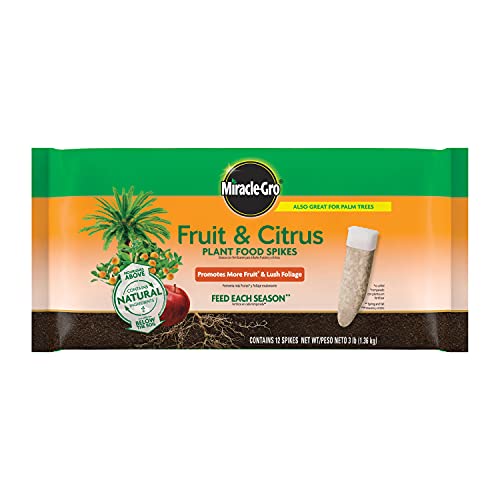
FORMULATED FOR CITRUS AND FRUIT TREES: Use these citrus fertilizer spikes on apple, orange, lemon, lime, and avocado trees; this formula is also great for feeding palm trees

Package contains 5 tree and shrub fertilizer spikes and are produced to avoid wasteful runoff, mess, hazards and smells

🌿 Balanced 10-10-10 Granular Fertilizer for Outdoor & Indoor Plants: All-purpose plant food with 10% Nitrogen, 10% Phosphorus, and 10% Potassium. Perfect for outdoor vegetable gardens, fruit trees, evergreens, shrubs, lawns, and flowers. Also great for potted plants and indoor gardening. One solution for all your plant needs!
Watering Guidelines
Water mangosteen trees consistently to maintain moisture, especially during dry spells. Provide 1 to 2 inches of water per week, adjusting based on rain levels. Water the base of the tree, avoiding the leaves to reduce disease risk. Use mulch around the base to lock in moisture and suppress weeds.
Fertilization Strategies
Fertilization supports healthy growth for mangosteen trees. Apply a balanced fertilizer every three to four months. Look for a slow-release option with equal parts nitrogen, phosphorus, and potassium, such as a 10-10-10 mix. Include organic matter like compost or well-rotted manure each growing season to enrich the soil. Monitor for nutrient deficiencies indicated by yellowing leaves or stunted growth.
Pest and Disease Management
Manage pests and diseases through observation and treatment. Regularly inspect leaves for signs of aphids, spider mites, or scale insects. Use neem oil or insecticidal soap to control infestations. Prevent fungal diseases by ensuring good air circulation and avoiding overhead watering. Remove fallen fruit and debris to deter pests and diseases. If significant issues arise, consult local agricultural extension services for precise advice and interventions.
Harvesting Mangosteen Fruit
Harvesting mangosteen requires attention to ripeness and proper techniques. This ensures quality fruit and promotes continued tree health.
Signs of Ripeness
Signs of ripeness include:
- Color: Mature mangosteen showcases a dark purple exterior. An even color indicates readiness to harvest.
- Texture: The skin feels firm but slightly yielding when gently pressed. Overripe fruit will feel soft.
- Shape: Round, plump fruit without shriveling suggests it’s ready for picking.
- Peduncle: A dried or browning stem at the top indicates the fruit is ripe. If the stem appears green, the fruit likely needs more time.
Best Harvesting Practices
Adopt the following practices for successful harvesting:
- Timing: Harvest in the morning when temperatures are cooler. This minimizes stress on the fruit.
- Tools: Use sharp pruning shears to avoid damaging the tree. Clean blades prevent the spread of disease.
- Technique: Cut the stem about an inch from the fruit. Avoid twisting or pulling to prevent damage.
- Handling: Gently place fruit in baskets lined with soft material. Avoid stacking them too high to prevent bruising.
- Storage: Store harvested mangosteen in a cool, dark place. Consume within a week for optimal flavor.
Following these guidelines promotes healthy fruit production and enhances your harvesting experience.
Conclusion
Growing your own mangosteen fruit tree is a rewarding journey that brings the taste of tropical paradise right to your backyard. With a little patience and the right care you can enjoy the sweet and tangy flavor of fresh mangosteen.
Remember to provide the ideal conditions for your tree to thrive and stay attentive to its needs as it grows. The joy of harvesting your own fruit is unmatched and will make all your efforts worthwhile.
So get started on this exciting adventure and soon you’ll be savoring the fruits of your labor. Happy gardening!
Frequently Asked Questions
What is mangosteen and where does it grow?
Mangosteen is a tropical fruit known for its sweet-tangy flavor. It grows on mangosteen trees, which thrive in warm, humid climates, ideally in areas with temperatures between 68°F and 95°F. These trees require high humidity and plenty of sunlight to flourish.
How long does it take for a mangosteen tree to bear fruit?
Mangosteen trees typically take 3 to 5 years from the time of planting to start producing fruit. Proper care and suitable growing conditions can help speed up this process.
What soil conditions are best for growing mangosteen?
Mangosteen trees prefer well-drained, loamy soils rich in organic matter, with a pH level between 5.5 and 6.5. Avoid heavy clay or compacted soils by amending them with compost to improve drainage and nutrients.
How should I care for my mangosteen tree?
Care includes watering 1 to 2 inches per week, applying a balanced fertilizer every three to four months, and inspecting for pests. Keep the leaves dry to minimize disease risks and enrich the soil with organic matter.
When is the best time to harvest mangosteen?
Harvest mangosteen when the fruits have a dark purple exterior, firm texture, and dried or browning stem. Aim to harvest in the cooler morning hours using sharp pruning shears for the best quality.
What pests or diseases should I look out for?
Common pests include aphids and scale insects. Regularly inspect your tree and treat infestations with neem oil or insecticidal soap. Prevent fungal diseases by avoiding wetting the leaves during watering.
Can I grow mangosteen in a non-tropical climate?
Mangosteen requires a tropical climate to thrive. If you live in a non-tropical area, consider growing them in a greenhouse that can mimic the necessary conditions of warmth and humidity.
