
Close Menu
    Fruit Tree Hub
    • Home
    • Apple Trees
    • Lemon Trees
    • Mango Trees
    • Orange Trees
    • More Trees
      • Best Fruit Trees
      • Apricot Trees
      • Cherry Trees
      • Fig Trees
      • Lime Trees
      • Mulberry Trees
      • Peach Trees
      • Pear Trees
      • Plum Trees
      • Pomegranate Trees
    • Tips and Advice
      • Tools
    • About Us
      • Contact
      • Privacy Policy
    Fruit Tree Hub
    Home»Fruit Trees»Tamarind Trees»Where to Plant Tamarind Trees for the Best Yield
    Tamarind Trees

    Where to Plant Tamarind Trees for the Best Yield

    Lucy SmithBy Lucy SmithMarch 27, 20244 Mins Read
    Share Facebook Twitter Pinterest WhatsApp Email
    Share
    Facebook Twitter LinkedIn Pinterest Telegram Email

    Planting tamarind trees in the right spot can make all the difference in their growth and fruit production. Factors like climate, soil, sunlight, and spacing play a crucial role. Finding the ideal location where these factors align perfectly is key to a flourishing tamarind orchard.

    Contents show
    1 Key Takeaways
    2 Climate and Soil Requirements
    3 Sunlight and Water Needs
    4 Spacing and Planting Considerations
    5 Pruning and Maintenance Tips
    6 Harvesting and Yield Optimization
    7 Conclusion

    In this article, we'll explore the requirements for planting tamarind trees to help you set the stage for a bountiful harvest.

    Key Takeaways

    • Select a tamarind tree variety suited to your specific climate.
    • Plant tamarind trees in well-drained soil with a slightly acidic to neutral pH.
    • Provide tamarind trees with at least 6-8 hours of direct sunlight daily.
    • Proper spacing of 25 to 30 feet allows for healthy root development, sunlight penetration, and air circulation.

    Climate and Soil Requirements

    To ensure the best yield when planting tamarind trees, it's vital to consider the specific climate and soil requirements for optimal growth and production.

    Tamarind tree varieties vary in their adaptability to different climates, with some being more suited to tropical regions while others can thrive in subtropical or even arid environments. Before planting, it's crucial to select a variety that's well-suited to your specific climate.

    Additionally, tamarind trees require well-drained soil with a slightly acidic to neutral pH for best results.

    When it comes to fertilization techniques, tamarind trees respond well to organic fertilizers such as compost, manure, or mulch. These natural fertilizers not only provide essential nutrients but also improve the soil structure, ensuring healthy growth and abundant fruit production.

    MUST READ
    Why Do Tamarind Trees Have a Long Harvest Season

    Sunlight and Water Needs

    Considering the specific climate and soil requirements for optimal growth and production, now let's explore the sunlight and water needs of tamarind trees.

    Tamarind trees thrive in full sunlight, requiring at least 6-8 hours of direct sunlight daily. They have low to moderate shade tolerance, but for the best yield, it's essential to plant them in a location with ample sunlight.

    When it comes to water needs, tamarind trees are relatively drought-tolerant once established. However, for young trees, consistent watering is crucial to aid in their establishment.

    Irrigation frequency should be adjusted based on the climate and soil moisture levels, but generally, tamarind trees benefit from deep, infrequent watering rather than frequent shallow watering. This encourages deep root growth and helps the tree withstand dry periods.

    Spacing and Planting Considerations

    For optimal growth and yield, it's essential to carefully consider the spacing and planting considerations when cultivating tamarind trees.

    Adequate spacing is crucial for healthy root development and overall tree health. When planting tamarind trees, ensure a spacing of at least 25 to 30 feet between each tree to allow for proper root expansion and to prevent overcrowding. This generous spacing also facilitates adequate sunlight penetration and air circulation, which are vital for robust growth.

    Additionally, when planting, employ proper techniques such as digging a hole twice as wide as the root ball to encourage outward root growth. Avoid planting too deep or too shallow, as this can hinder the tree's establishment.

    Recommended Products
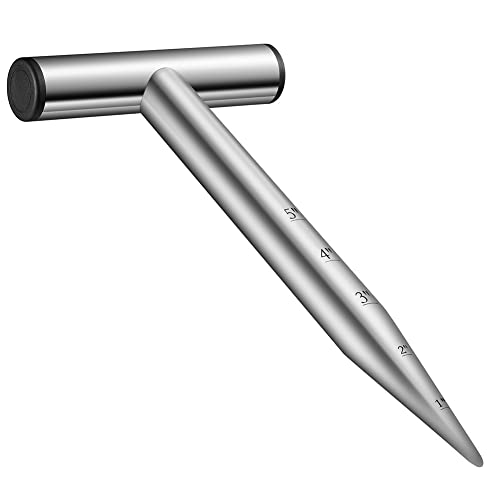
    Sukiise Hand Dibber, Seed Dibber, Bulb Planter Tool, Seed Planter Tool, Hole Digger for Plant Labels, for Self Watering Stakes, Hand Held Bulb Planter for Tulip Daffodil Crocus Garden Tool
    Sukiise Hand Dibber, Seed Dibber, Bulb Planter Tool, Seed Planter Tool, Hole Digger for Plant Labels, for Self Watering Stakes, Hand Held Bulb Planter for Tulip Daffodil Crocus Garden Tool

    GARDEN DIBBER - This garden dibber tool is used for planting seeds, seedlings or bulbs. Our garden dibbers are made with stainless steel, suitable for planting roots and seeds in holes, perfect for dibber and planting bulbs, ideal tool for sowing and seedling, dig hole in soil for address signs, dig hole for solar garden lights, soil digger for self watering stakes, good accessory for your garden

    MUST READ
    Where Are Tamarind Trees Considered Invasive
    VIEW LATEST PRICE

    As an affiliate, we earn on qualifying purchases.

    ERYTLLY Bulb Planter, Auger Spiral, Garden Planter Tool 3 x 7 inch,Rapid Umbrella Hole Digger for Planting Bulb Seedlings Bedding Tulips, and Digging Weeds Roots
    ERYTLLY Bulb Planter, Auger Spiral, Garden Planter Tool 3 x 7 inch,Rapid Umbrella Hole Digger for Planting Bulb Seedlings Bedding Tulips, and Digging Weeds Roots

    VARIOUS APPLICATIONS: This spiral hole drill is the professional landscapers’choice for dramatically increased efficiency when planting bulbs, potted plants, vegetables, flowers, bare root trees and shrubs, tilling soil or planter boxes, mixing seed, soil,paint,or batches of mortar mix for hardscapes.Simplifies drilling tasks such as planting umbrellas or posts,digging Weeds Roots, taking soil samples, boring plant holes or erecting fences

    VIEW LATEST PRICE

    As an affiliate, we earn on qualifying purchases.

    Dibber with 5 Inch Measurements Seed Dibber Garden Tool Hand Dibbler Seed Planter Tool Seed Dispenser Hole Digger for Planting Small Seeds Seedlings Sowing Seeds Transplanting Plants Planting Bulbs
    Dibber with 5 Inch Measurements Seed Dibber Garden Tool Hand Dibbler Seed Planter Tool Seed Dispenser Hole Digger for Planting Small Seeds Seedlings Sowing Seeds Transplanting Plants Planting Bulbs

    READY FOR THE PLANTING SEASON - Eadwiella Dibber were designed to make planting bulbs, seeds, and small herbaceous plants easy, by creating the perfect diameter hole to the correct depth. Before using the dibber in your garden make sure the soil is well tilled as it will make using your garden dibber easier. Simply press the dibber into the soil while twisting it back and forth until the dibber is at the desired depth. Now you’re ready to plant your bulb or seed!

    VIEW LATEST PRICE

    As an affiliate, we earn on qualifying purchases.

    Pruning and Maintenance Tips

    When tending to your tamarind trees, maintaining proper pruning and care is essential for ensuring continued healthy growth and bountiful yield. Here are some tips to help you keep your tamarind trees in optimal condition:

    • Pruning Techniques: Regularly prune dead or diseased branches to promote air circulation and sunlight penetration, which are crucial for the tree's overall health and fruit production. Additionally, thin out crowded branches to allow for better fruit development and easier access for maintenance.
    • Disease Prevention: Keep an eye out for common tamarind tree diseases such as anthracnose and powdery mildew. Apply appropriate fungicides as a preventative measure and promptly remove any infected parts of the tree to prevent the spread of diseases.
    MUST READ
    Why Do Tamarind Trees Require Well-Drained Soil

    Harvesting and Yield Optimization

    To optimize the yield of your tamarind trees, it's crucial to implement effective harvesting practices and proper care techniques.

    Regularly fertilizing your tamarind trees with a balanced fertilizer can significantly enhance their yield.

    Additionally, ensuring proper pest control measures are in place is essential to protect the trees from pest damage, thereby safeguarding the yield.

    Tamarind tree grafting and propagation techniques can also be employed to enhance yield.

    By using these methods, you can ensure that your tamarind trees remain healthy and productive, maximizing the yield of this valuable fruit.

    Proper care and attention to these factors won't only result in a bountiful harvest but also contribute to the overall health and longevity of your tamarind trees.

    Conclusion

    In caring for your tamarind trees, remember to prioritize well-drained soil, ample sunlight, and regular watering.

    By maintaining proper spacing, pruning, and overall tree health, you can look forward to a plentiful harvest of flavorful tamarind fruits.

    With dedication and care, your tamarind trees will thrive and reward you with an abundant yield.

    Happy planting!

    Share. Facebook Twitter Pinterest LinkedIn Tumblr Email
    lucy smith
    Lucy Smith
    • Website

    Lucy Smith is a highly experienced horticulturist with a passion for fruit tree cultivation. She holds a degree in Horticulture from the University of California, Davis, and has worked in various roles in the industry. With over 10 years of experience, Lucy is dedicated to using eco-friendly methods for sustainable gardening practices.

    Related Posts

    How to Identify Different Tamarind Tree Varieties

    March 30, 2024

    Why Do Tamarind Trees Have Long Seed Pods

    March 30, 2024

    Can Tamarind Trees Grow in Cold Climates

    March 30, 2024

    The Best Soil Conditions for Tamarind Trees

    March 30, 2024

    How to Properly Water Tamarind Trees

    March 30, 2024

    Are Tamarind Trees Suitable for Small Gardens

    March 30, 2024
    Leave A Reply Cancel Reply

    Affiliate Disclosure

    As an Amazon Associate I earn from qualifying purchases.

    Recommended Reading

    Can You Eat Fruit Straight From The Tree

    How to Make Mango Tree Bear Fruit Faster: Best Practices for a Bountiful Harvest

    Tangerine Trees in a Pot in Vermont (Cold-Climate Potting Tips)

    How to Get Fruit Tree Saplings Merge Dragons and Maximize Your Garden’s Potential

    Does Dragon Fruit Grow on a Tree and What You Need to Know About This Unique Plant

    Persimmon Trees in Ohio (Buckeye State Growth and Harvest)

    How Long for Apple Trees to Produce Fruit: A Guide to Growing Your Own Delicious Apples

    When Should You Trim Fruit Trees for Maximum Yield and Healthy Growth

    How Do You Keep Ants Off Fruit Trees with Effective Natural and Chemical Solutions

    Plum Trees in Georgia: Peach State Success and Soil Tips

    Fruit Tree Hub

    Fruit Tree Hub is a website dedicated to providing you everything you need to grow fruit trees successfully at in your own yard.

    Contact us at: [email protected]

    - AFFILIATE DISCLOSURE: As an Amazon Associate I earn from qualifying purchases.

    Latest Posts

    Can Olive Trees Grow in New Jersey? Garden State Growth Tips

    Can Star Fruit Trees Grow in Missouri? Expert Variety Guide

    How to Grow Jujube Trees in Las Vegas, NV: Desert Growth

    Mango Trees in Illinois: Indoor and Greenhouse Growth Secrets

    Growing Papaya Trees in Oklahoma: High Heat Resilience

    Tamarind Trees in a Pot in Ohio (Complete Maintenance Manual)

    Can Fig Trees Grow in Long Beach, CA? Coastal Salt Tips

    Plum Trees in District of Columbia (Urban Microclimate Tips)

    Categories
    • Almond Trees
    • Apple Trees
    • Apricot Trees
    • Best Fruit Trees
    • Blackberry
    • Cantaloupe
    • Cherry Trees
    • Crochet Ideas
    • Crochet Ideas for Beginners
    • Cucamelon
    • Easy Crochet Ideas
    • Easy Knitting Projects
    • Fig Trees
    • Grapefruit Trees
    • Grapes
    • Guava Trees
    • Honeydew
    • Jujube Trees
    • Kiwi
    • Knitting For Beginners
    • Knitting Ideas
    • Knitting Inspiration
    • Lemon Trees
    • Lime Trees
    • Loquat Trees
    • Mango Trees
    • Mulberry Trees
    • Nectarine Trees
    • Olive Trees
    • Orange Trees
    • Papaya Trees
    • Peach Trees
    • Pear Trees
    • Persimmon Trees
    • Planting
    • Plum Trees
    • Pomegranate Trees
    • Quince Trees
    • Raspberry
    • Reviews
    • Small Crochet Ideas
    • Star Fruit Trees
    • Summer Crochet Ideas
    • Tamarind Trees
    • Tangerine Trees
    • Tips and Advice
    • Tools
    • Uncategorized
    • Walnut Trees
    © 2026 Fruit Tree Hub
    • Home
    • About Us
    • Contact
    • Privacy Policy
    • Terms and Conditions
    • Disclaimer
    • Editorial Policy
    • Affiliate Disclosure

    Type above and press Enter to search. Press Esc to cancel.