

Growing lime trees in Wisconsin requires careful selection of cold-hardy varieties and specific cultivation techniques. By choosing the right lime tree and implementing proper care strategies, you can successfully cultivate these citrus fruits even in cooler climates.
Cold-Hardy Lime Tree Selection Tips
Choosing the right lime tree is crucial for successful growth in Wisconsin. Cold-hardy varieties like the Improved Meyer Lemon and Kaffir Lime can withstand lower temperatures. These options not only produce flavorful fruit but also adapt better to the local climate.
| Lime Variety | Hardiness Zone | Flavor Profile |
|---|---|---|
| Improved Meyer | 8-10 | Sweet and tart |
| Kaffir Lime | 9-11 | Aromatic leaves |
| Persian Lime | 9-11 | Classic lime flavor |
Optimal Site Preparation for Lime Trees
Preparing the right site is crucial for successfully growing lime trees in Wisconsin’s challenging climate. This section outlines the essential steps to ensure your planting area provides the necessary drainage, sunlight, and soil conditions that promote healthy growth and resilience against cold temperatures. By following these guidelines, you can create an optimal environment for your lime trees to thrive.
Site preparation is essential for optimal growth. Choose a location that receives full sun for at least six hours daily. Ensure the soil is well-draining and rich in organic matter.
Test soil pH; aim for 6.0 to 7.0.
Amend soil with compost to enhance nutrients.
Clear the area of weeds and debris.
Lime Tree Planting Strategies for Wisconsin
Growing lime trees in Wisconsin presents unique challenges due to the region’s cold climate. Understanding effective planting strategies is essential for ensuring these citrus trees thrive despite harsh winters. This section will explore the best practices for planting lime trees, focusing on techniques that enhance their resilience and promote healthy growth in a colder environment.
Proper planting techniques ensure your lime trees establish strong roots. Follow these steps for successful planting.
Dig a hole twice the width of the root ball.
Place the tree in the center of the hole, ensuring the root collar is level with the surrounding soil.
Backfill with soil and water thoroughly to remove air pockets.
Lime Tree Watering and Fertilization Guide
Proper watering and fertilization are crucial for the health and productivity of lime trees, especially in the unique climate of Wisconsin. Understanding the specific needs of your trees will help you cultivate a thriving garden. This guide provides essential tips to ensure your lime trees receive the right amount of moisture and nutrients throughout their growth cycle.
Watering and fertilization play vital roles in lime tree health. Establish a consistent watering schedule, especially during dry spells.
Water deeply once a week.
Use a balanced fertilizer every six weeks during the growing season.
Monitor for signs of nutrient deficiency, such as yellowing leaves.
Lime Tree Pest and Disease Control
Managing pests and diseases is crucial for the successful growth of lime trees in Wisconsin’s unique climate. Understanding common threats and effective control methods will help ensure your trees remain healthy and productive. This section will provide essential strategies to protect your lime trees from potential infestations and diseases.
Pest and disease management is crucial for maintaining healthy lime trees. Regular monitoring can help identify issues early.
Inspect leaves for aphids, spider mites, and scale.
Use insecticidal soap or neem oil for pest control.
Ensure good air circulation to prevent fungal diseases.
| Common Pests | Treatment Method |
|---|---|
| Aphids | Insecticidal soap |
| Spider Mites | Neem oil |
| Scale | Horticultural oil |
Cold Weather Protection for Lime Trees
Growing lime trees in Wisconsin presents unique challenges due to the state’s cold climate. To ensure these trees thrive despite harsh winters, understanding effective cold weather protection strategies is essential. This section will explore practical methods to safeguard lime trees from freezing temperatures and harsh conditions, helping you cultivate a successful lime tree garden in a less-than-ideal environment.
Wisconsin winters can be harsh on lime trees. Implementing winter protection strategies is essential for survival.
Mulch around the base to insulate roots.
Use frost cloth to cover trees during extreme cold.
Consider container planting for easy relocation indoors.
Recommended Products
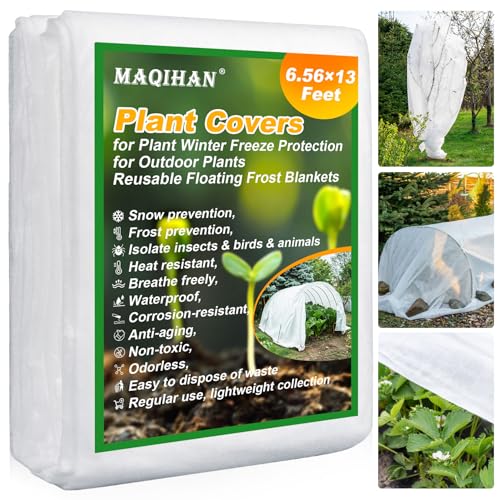
Product Features: Our plant covers are ideal for protecting all plant. Made from premium 1 oz/sq non-woven fabric, their durability and breathability ensuring both insulation against frost and facilitation of sunlight penetration for healthy plant growth

FROST COLD WIND AND PEST PROTECTION - Pasidener plant covers freeze protection not only keep plant safe from weather conditions but also keep deer and other animals from nibbling! These plant covers stay on through some rough wind and prevent loss of leaves due to a freezing weather.

The small plant cover is perfect for Plant size 16''-23"high and 36''-46" round, Heavy-weight FRCs (1.77oz./sq. yard): usually used to extend the growing season in spring and fall, allow 40%-60% light transmittance, and recommend 3°-8°F of freeze protection
Optimal Harvest Timing for Lime Trees
Understanding the optimal harvest timing for lime trees is crucial for maximizing fruit quality and yield, especially in Wisconsin’s unique climate. This section delves into the signs of ripeness and the best practices for harvesting, ensuring that your lime trees produce the most flavorful fruit possible while adapting to the challenges of colder temperatures.
Harvesting lime trees requires careful timing to ensure fruit quality. Monitor fruit color and size for optimal harvest.
Harvest when limes are firm and fully colored.
Use pruning shears to avoid damaging branches.
Store harvested limes in a cool, dark place for freshness.
Addressing Lime Tree Growth Challenges
Growing lime trees in Wisconsin presents unique challenges due to the region’s cold climate. Understanding these obstacles is essential for successful cultivation, as factors like frost sensitivity and soil conditions can significantly impact growth. This section will explore common issues faced by lime tree growers and provide practical solutions to ensure healthy, thriving trees.
Identifying and addressing common growth issues can help ensure a successful lime harvest.
Yellowing leaves may indicate overwatering or nutrient deficiency.
Dropping fruit can result from stress or improper pollination.
Stunted growth often signals poor soil conditions or inadequate light.
Be proactive in monitoring your lime trees to catch these issues early.
Cold-Hardy Lime Cultivation Strategies
Growing lime trees in Wisconsin presents unique challenges due to the region’s cold climate. However, with the right cultivation strategies, it’s possible to successfully nurture these citrus trees. This section will explore effective methods to ensure your lime trees thrive despite the harsh winters.
Growing lime trees in Wisconsin is achievable with the right approach. Focus on selecting cold-hardy varieties and providing appropriate care throughout the year. Regular monitoring and timely interventions will lead to fruitful results.
