

Selecting the best peach trees for California involves understanding the climate and soil conditions that favor specific varieties. Choosing the right tree can lead to a fruitful harvest and a thriving garden. This article outlines top peach tree selections tailored for California’s unique growing conditions.
California Peach Tree Variety Specifications
When selecting the ideal peach tree for California’s diverse climate, understanding specific variety specifications is crucial. Each type offers unique characteristics, from fruit size and flavor to growth habits and disease resistance. This section delves into the key specifications of the best peach tree varieties suited for California, helping you make an informed choice for your garden.
When selecting peach trees, consider factors such as fruit type, chilling hours, and disease resistance. The following table summarizes key specifications for popular varieties suited for California.
| Variety | Fruit Type | Chilling Hours | Disease Resistance | Harvest Time |
|---|---|---|---|---|
| Elberta | Freestone | 800-1,000 | Moderate | Late July |
| O’Henry | Freestone | 700-900 | High | Late August |
| Frost | Clingstone | 400-600 | Moderate | Early July |
| Redhaven | Freestone | 700-800 | High | Early August |
| Suncrest | Freestone | 600-800 | Moderate | Mid August |
Recommended Products


Thrives in well-drained soil, ensuring optimal growth conditions and longevity.
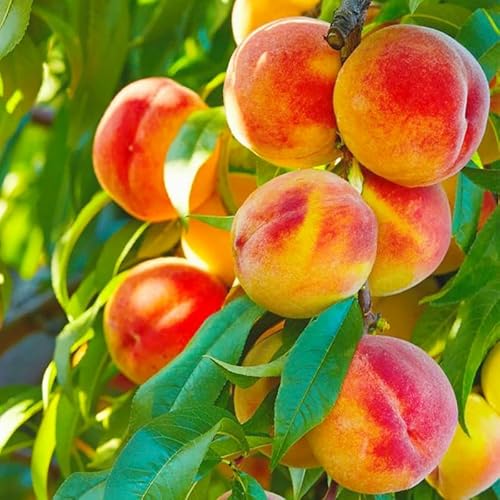
Peach trees produce fruit with multiple applications. The fruit can be enjoyed fresh and is also suitable for making jams, preserves, pies, and fruit salads.
Top Peach Varieties for California Gardens
California’s climate offers an ideal environment for growing peaches, making it essential to choose the right varieties for your garden. From sweet and juicy to tangy and flavorful, the top peach varieties thrive in the state’s diverse conditions. This selection highlights the best options to ensure a bountiful harvest and delicious fruit for your enjoyment.
Recommended Products

Planting and Care Instructions: Plant in well-drained, sandy-loam soil with full sun exposure. Regular watering, especially during dry periods, is crucial for fruit development. Pruning in late winter helps shape the tree and maintain air circulation. Apply a balanced fertilizer in spring


Shipping Restriction: We cannot ship to California, Arizona, Alaska, or Hawaii; orders will be cancelled if you ship to one of these states
Elberta Peach Tree Characteristics and Benefits
The Elberta peach tree is a popular choice among California gardeners for its robust characteristics and delicious fruit. Known for its adaptability to various soil types and climates, this variety offers both ornamental beauty and a bountiful harvest. Understanding its unique traits can help you decide if it’s the right fit for your garden.
The Elberta peach tree is a classic choice known for its sweet, juicy fruit. It thrives in well-drained soil with full sun exposure.
This variety requires 800 to 1,000 chilling hours, making it suitable for cooler regions of California. The fruit is freestone, making it easy to pit for canning or fresh consumption.
O’Henry Peach Tree Characteristics and Benefits
The O’Henry peach tree stands out as a top choice for California gardeners, offering a blend of robust characteristics and exceptional fruit quality. Known for its juicy, sweet peaches and strong disease resistance, this variety thrives in the state’s climate, making it a reliable option for both home orchards and commercial growers. Its adaptability and productivity make it a favorite among peach enthusiasts.
The O’Henry peach tree is celebrated for its exceptional flavor and high disease resistance. It requires 700 to 900 chilling hours and produces large, freestone peaches.
This variety is ideal for home gardens and commercial orchards alike, with a harvest time in late August. The tree’s robust nature makes it a reliable choice for various soil types.
Frost Peach Tree Characteristics and Benefits
The Frost Peach Tree stands out for its exceptional adaptability to California’s climate, thriving in both warm and cooler regions. Known for its juicy, flavorful fruit and attractive blossoms, this variety offers gardeners not only a reliable harvest but also a beautiful addition to any landscape. Understanding its characteristics and benefits can help you make an informed choice for your orchard.
The Frost peach tree is perfect for warmer areas with lower chilling hour requirements of 400 to 600. This clingstone variety produces sweet, flavorful peaches ideal for canning.
The tree is more tolerant of heat, making it a great option for California’s hotter climates. Harvest occurs in early July, allowing for an early summer fruiting.
Redhaven Peach Tree Characteristics and Benefits
The Redhaven peach tree is a popular choice for California gardeners, known for its exceptional flavor and adaptability to various climates. This variety boasts a robust growth habit, producing large, juicy peaches that are perfect for fresh eating and canning. Understanding its characteristics and benefits can help you decide if it’s the right fit for your orchard.
The Redhaven peach tree is known for its high disease resistance and adaptability. Requiring 700 to 800 chilling hours, this freestone variety produces medium to large peaches with excellent flavor.
The harvest in early August makes it a favorite among gardeners looking for a reliable crop. Its strong growth habit ensures a bountiful yield.
Suncrest Peach Tree Characteristics
The Suncrest peach tree is a standout variety well-suited for California’s climate. Known for its exceptional flavor and juicy flesh, this tree thrives in warm conditions and offers a bountiful harvest. Its resilience and adaptability make it a popular choice among local gardeners and fruit enthusiasts alike.
The Suncrest peach tree is another excellent option for California gardens. With a chilling hour requirement of 600 to 800, it thrives in moderate climates.
The freestone peaches are known for their rich flavor and are great for fresh eating or baking. The mid-August harvest aligns well with summer fruiting schedules.
Peach Tree Varieties for California Gardens
When selecting peach trees for California gardens, it’s essential to consider varieties that thrive in the state’s unique climate. From early-season to late-season options, the right choice can enhance your garden’s yield and flavor. Explore these top peach tree varieties that are well-suited for California’s diverse growing conditions.
When comparing these varieties, consider the following factors:
Chilling Hours: Essential for successful fruiting in specific climates.
Fruit Type: Freestone vs. clingstone impacts culinary uses.
Disease Resistance: Important for long-term health and productivity.
Harvest Time: Affects planning for seasonal fruit availability.
Recommended Products

Complete Orchard Starter Bundle: Receive 8 dormant bare root fruit trees with 2 each of Apple,Blueberry, Raspberry, Blackberry. A great way to start or expand a backyard orchard with a variety of delicious fruits.

🌱 4 Unique Fruit Bonsai Varieties: Includes 40 total seeds: 10 Papaya, 10 Peach, 10 Cherry, and 10 Banana seeds. A fun and unique collection for growing miniature fruit trees and experimenting with bonsai growing techniques.

Premium Peach Variety: Sweet, juicy fruit-bearing peach tree seeds perfect for growing delicious homegrown peaches in your backyard or orchard
Peach Tree Maintenance Practices for California
Maintaining peach trees in California requires specific practices tailored to the state’s unique climate and soil conditions. Proper care ensures healthy growth and abundant fruit production, making it essential for both novice and experienced gardeners. This section outlines key maintenance practices to help you cultivate thriving peach trees in your backyard.
Proper care is essential for healthy peach trees. Here are key practices:
Soil Preparation: Ensure well-drained soil with organic matter.
Watering: Deep watering is crucial during dry spells.
Pruning: Regular pruning promotes healthy growth and fruit production.
Fertilization: Use balanced fertilizers in early spring for optimal growth.
Peach Tree Pest and Disease Management
Managing pests and diseases is crucial for maintaining healthy peach trees in California’s unique climate. Understanding the common threats and implementing effective strategies can ensure a bountiful harvest. This section explores essential pest and disease management practices tailored for peach tree cultivation in the region.
Peach trees can face various pests and diseases. Awareness and management are crucial.
Peach Leaf Curl: A fungal disease causing distorted leaves. Apply fungicides in early spring.
Bacterial Spot: Affects leaves and fruit. Maintain good air circulation and remove infected material.
Peach Tree Borers: Larvae can damage the tree. Use insecticides as needed and monitor for signs of infestation.
Peach Tree Selection Factors for California
Choosing the right peach tree variety is crucial for a successful harvest in California. Consider local climate conditions, soil type, and intended use of the fruit. Each variety offers unique benefits, ensuring that gardeners can find the perfect match for their needs.
