

Growing lime trees in Massachusetts requires careful attention to the local climate and soil conditions. By selecting the right varieties and implementing specific cultivation techniques, you can successfully cultivate these citrus trees even in cooler regions.
Choose the Right Lime Tree Varieties
Selecting the appropriate lime tree variety is crucial for success in Massachusetts. The Persian lime and Kaffir lime are popular choices due to their adaptability to cooler climates. Both varieties offer unique flavors and culinary benefits. Consider the following factors when choosing:
Climate tolerance: Persian limes thrive in USDA zones 9-11, while Kaffir limes can tolerate slightly cooler temperatures.
Fruit usage: Persian limes are ideal for beverages and cooking, while Kaffir limes are prized for their aromatic leaves.
Growth habit: Persian limes tend to grow larger, while Kaffir limes remain more compact.
| Variety | Climate Tolerance | Fruit Use | Growth Habit |
|---|---|---|---|
| Persian Lime | Zones 9-11 | Beverages, Cooking | Large |
| Kaffir Lime | Zones 9-10 | Culinary Leaves | Compact |
Soil Preparation for Healthy Lime Trees
Preparing the right soil is crucial for successfully growing lime trees in Massachusetts. The unique climate and soil conditions in the region require specific amendments and techniques to ensure optimal growth. Understanding these soil preparation methods will set a strong foundation for your lime trees, promoting health and productivity.
Soil preparation is essential for healthy lime trees. The soil should be well-draining and rich in organic matter. Follow these steps for optimal soil conditions:
Test soil pH: Aim for a pH between 6.0 and 7.0.
Amend soil: Incorporate compost or well-rotted manure to improve fertility.
Select a sunny location: Lime trees require full sun for at least 6-8 hours daily.
Avoid heavy clay soils that retain water, as this can lead to root rot.
Lime Tree Watering and Fertilization Practices
Proper watering and fertilization are crucial for the successful growth of lime trees in Massachusetts. Understanding the specific needs of these trees in the region’s climate will help ensure healthy development and fruit production. This section delves into effective practices tailored to the unique challenges faced by lime trees in this area.
Proper watering and fertilization are vital for lime tree health. Over or under-watering can stress the tree and affect fruit production. Implement the following practices:
Water deeply: Provide 1-2 inches of water weekly during dry spells.
Use mulch: Apply organic mulch to retain moisture and suppress weeds.
Fertilize regularly: Use a balanced fertilizer designed for citrus trees every 6-8 weeks during the growing season.
| Fertilizer Type | Application Frequency | Benefits |
|---|---|---|
| Balanced Citrus | Every 6-8 weeks | Promotes healthy growth |
| Organic Compost | Twice a year | Improves soil structure |
Recommended Products

Balanced Organic Nutrition – Supplies a 6‑3‑3 NPK ratio along with calcium, sulfur, iron, and zinc to foster healthy foliage, flowering, and fruit.

Made for Lime & Citrus Trees – Formulated to support healthy growth in lime and citrus trees.

Made for Lemon & Citrus Trees – Formulated to support healthy growth in lemon and citrus plants.
Cold Weather Protection for Lime Trees
Growing lime trees in Massachusetts presents unique challenges, particularly due to the region’s cold winters. Understanding how to protect these sensitive plants from freezing temperatures is crucial for their survival and productivity. This section will explore effective strategies for safeguarding lime trees during the colder months, ensuring they thrive year after year.
Massachusetts winters can be harsh on lime trees. Implementing protective measures ensures the survival of your trees during cold months. Consider the following strategies:
Use frost cloth: Cover trees during cold snaps to retain heat.
Create windbreaks: Plant shrubs or erect barriers to shield trees from cold winds.
Container growing: Consider growing trees in pots for easier relocation indoors during winter.
Do not leave trees exposed to frost without protection.
Recommended Products
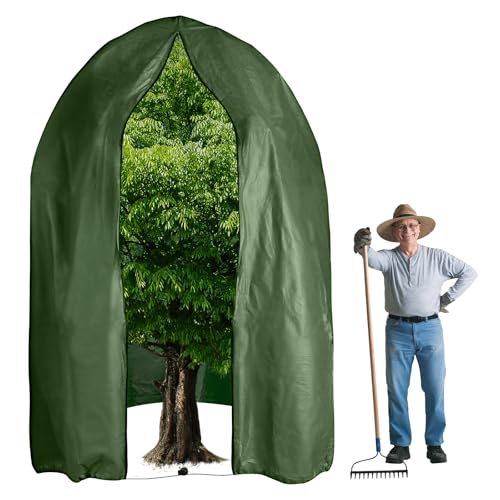
Extra Large Size:Our winter plant covers are designed with a super large size,It is about 110"x79", which is large enough to fit the plants easily, suit for protecting large plants and provides better protection from wind,snow,ice frost damage

The Large plant cover is perfect for Plant size 55''-70"high and 84''-94" round, Heavy-weight FRCs (1.77oz./sq. yard): usually used to extend the growing season in spring and fall, allow 40%-60% light transmittance, and recommend 3°-8°F of freeze protection

The small plant cover is perfect for Plant size 16''-23"high and 36''-46" round, Heavy-weight FRCs (1.77oz./sq. yard): usually used to extend the growing season in spring and fall, allow 40%-60% light transmittance, and recommend 3°-8°F of freeze protection
Pest Control Strategies for Lime Trees
Effective pest control is essential for maintaining healthy lime trees in Massachusetts, where specific regional challenges can arise. Understanding the common pests and implementing targeted strategies will help ensure robust growth and fruit production. This section outlines practical approaches to manage pests while promoting the overall vitality of your lime trees.
Maintaining healthy lime trees involves monitoring for pests and diseases. Common issues include aphids, spider mites, and root rot. Take proactive steps to manage these threats:
Inspect regularly: Check leaves and branches for signs of pests.
Use insecticidal soap: Apply to affected areas to control infestations.
Practice good hygiene: Remove fallen leaves and debris to prevent disease spread.
| Pest/Disease | Symptoms | Control Method |
|---|---|---|
| Aphids | Curling leaves | Insecticidal soap |
| Root Rot | Wilting and yellowing | Improve drainage |
Optimal Lime Harvesting Techniques
Harvesting limes at the right time and using proper techniques is crucial for maximizing yield and quality in Massachusetts. Understanding the specific conditions and timing for lime trees in this region can significantly enhance the fruit’s flavor and juiciness. This section will explore the best practices for optimal lime harvesting tailored to the unique climate and growing conditions of Massachusetts.
Harvesting limes at the right time is crucial for flavor and quality. Limes typically mature 6-9 months after flowering. Follow these guidelines for optimal harvesting:
Check color: Limes should be bright green and slightly glossy.
Feel for firmness: Ripe limes yield slightly to gentle pressure.
Use pruning shears: Cut limes from the tree to avoid damage.
Enjoy your limes in beverages, cooking, or fresh as a snack. Proper care and attention will yield a rewarding harvest.
