

Jujube trees thrive in Wichita, KS when planted in well-drained soil and receive full sunlight. Proper care and specific strategies ensure healthy growth and fruit production in the High Plains climate.
Jujube Tree Varieties for Wichita Climate
When selecting jujube tree varieties for the unique climate of Wichita, KS, it’s essential to consider factors such as temperature fluctuations, soil conditions, and drought resistance. This section explores the most suitable jujube varieties that thrive in the High Plains, ensuring successful growth and fruit production in the region’s challenging environment.
Choosing the right Jujube tree variety is crucial for success in Wichita. Some varieties are better suited for the local climate and soil conditions. The most common types include:
Li: Known for its sweet fruit and drought resistance.
Lang: Produces larger fruit and is more cold-tolerant.
Honey: Offers a unique flavor and is self-pollinating.
Selecting the appropriate variety will enhance your chances for a fruitful harvest.
Soil Preparation for Jujube Trees
Preparing the soil is a critical step for successfully cultivating jujube trees in Wichita, KS. The unique climate and soil conditions of the High Plains require specific strategies to ensure optimal growth and fruit production. Understanding the right soil composition and preparation techniques can significantly enhance the health and yield of these resilient trees.
Soil preparation is essential for the health of Jujube trees. They prefer sandy loam with good drainage. Follow these steps to prepare your soil:
Test soil pH: Aim for a pH between 6.0 and 7.5.
Amend soil: Add organic matter like compost to improve fertility.
Ensure drainage: Create raised beds if your soil retains too much water.
Proper soil preparation will lead to robust tree growth and fruiting.
Effective Watering for Jujube Establishment
Establishing jujube trees in Wichita’s unique climate requires careful attention to watering practices. Proper hydration is crucial for their growth and resilience, especially during the initial stages. Understanding effective watering strategies will help ensure these trees thrive in the High Plains environment.
Watering is critical, especially in the High Plains’ dry climate. Jujube trees are drought-tolerant but require consistent moisture during establishment. Implement these watering techniques:
Deep watering: Water deeply once a week during the first growing season.
Mulching: Apply a 3-inch layer of mulch to retain moisture.
Monitor soil moisture: Check the top inch of soil; if dry, it’s time to water.
These techniques will promote healthy root development and fruit production.
Recommended Products
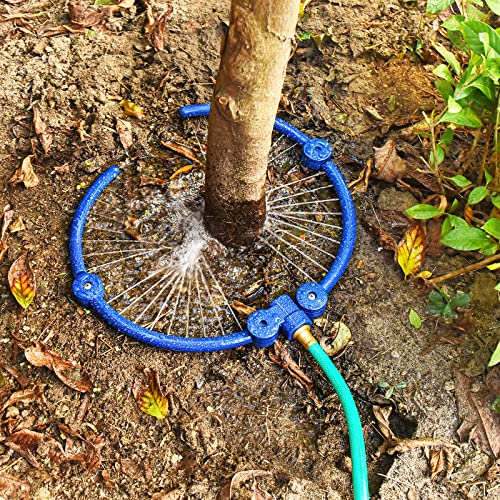
【Specially Designed for Trees and Shrubs】 The Watering Ring is a multi-purpose irrigation ring that attaches to a garden hose to efficiently water young trees shrubs vegetables or flower beds using drip or trickle irrigation.It directs water to the root perimeter of the plant to give them a good start during the first two growing seasons or through periods of drought.
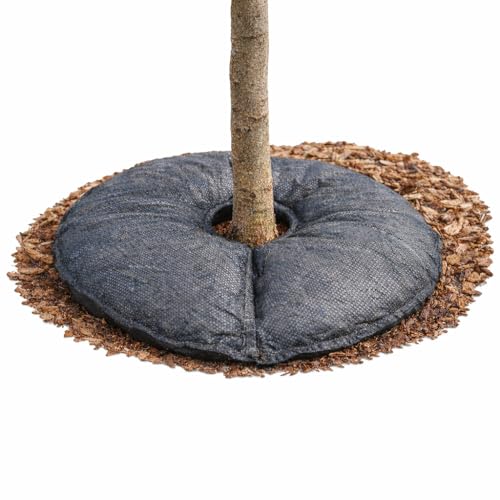
For Plants and Trees that with root balls about 12” in dia., (11-15”, e.g. 3-10 Gallon Container Sizes have top diameters between 11-15”) - Uses 99% LESS WATER than traditional tree bag over the course of multiple seasons for better establishment of the newly planted trees and shrubs! When the plant root ball is larger than 15”, the 36”, 48”, or multiple units of these larger sized SteadySpring Tree Mats are recommended to cover an area double of the root ball size or at least 20” larger than the root ball.

🍀【Extra-Long 50FT 5/16” Mainline Tubing】 With 50 feet of premium 5/16” main tubing, you have more flexibility to build a central watering path across larger garden layouts. The enhanced flow capacity supports multiple emitters with consistent water pressure throughout your irrigation zones.
Jujube Tree Fertilization Timing and Tips
Proper fertilization is crucial for the successful growth of jujube trees, especially in the unique climate of Wichita, KS. Understanding the optimal timing and techniques for fertilizing these trees can significantly enhance their health and fruit production. This section provides essential tips to ensure your jujube trees thrive in the High Plains environment.
Fertilization supports growth and fruiting in Jujube trees. A balanced fertilizer can enhance soil nutrients. Follow this fertilization schedule:
| Time of Year | Fertilizer Type | Application Rate |
|---|---|---|
| Early Spring | 10-10-10 NPK | 1 pound per tree |
| Mid-Summer | Organic compost | 2-3 inches around the base |
| Late Fall | Potassium-rich fertilizer | 0.5 pounds per tree |
Applying fertilizers at the right times will ensure your trees receive essential nutrients.
Recommended Products

Package contains 4 Pounds organic fruit and citrus fertilizer grains and is produced to avoid wasteful runoff, mess, hazards and smells
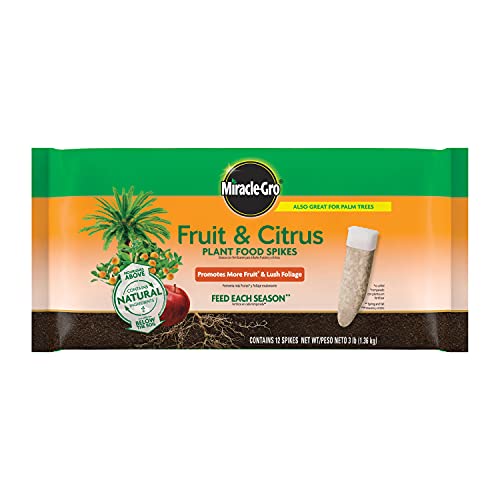
FORMULATED FOR CITRUS AND FRUIT TREES: Use these citrus fertilizer spikes on apple, orange, lemon, lime, and avocado trees; this formula is also great for feeding palm trees

Balanced Organic Nutrition – Supplies a 6‑3‑3 NPK ratio along with calcium, sulfur, iron, and zinc to foster healthy foliage, flowering, and fruit.
Jujube Tree Pest and Disease Solutions
In Wichita, KS, jujube trees thrive in the High Plains environment, but they can face challenges from pests and diseases. Understanding these issues is crucial for maintaining healthy trees and ensuring a fruitful harvest. This section explores effective solutions to common pest and disease problems specific to jujube cultivation in the region.
Managing pests and diseases is vital for Jujube tree health. Common issues include aphids and root rot. Implement these strategies:
Regular inspections: Check for signs of pests or disease weekly.
Organic pesticides: Use neem oil for aphid control.
Proper spacing: Ensure trees are spaced adequately to promote airflow.
These practices will help maintain tree vigor and fruit quality.
Pruning Methods for Enhanced Jujube Yield
Effective pruning is essential for maximizing the yield of jujube trees, particularly in the unique climate of Wichita, KS. By employing specific techniques tailored to the growth habits of these trees, gardeners can enhance fruit production and overall tree health, ensuring a successful harvest in the High Plains region. Understanding these methods will empower local growers to achieve optimal results.
Pruning is necessary to promote air circulation and fruit production. Proper techniques can significantly enhance your yield. Follow these pruning guidelines:
Remove dead or diseased branches: Do this in late winter.
Thin out crowded branches: Aim for an open center to allow sunlight.
Shape the tree: Maintain a balanced structure for better fruit distribution.
Regular pruning will lead to healthier trees and increased fruit yield.
Optimal Jujube Harvesting and Storage Techniques
Harvesting jujube trees requires careful timing and technique to ensure the fruit reaches its peak flavor and quality. Understanding the optimal methods for picking and storing jujubes is essential for growers in Wichita, KS, who want to maximize their yield and preserve the fruit’s unique characteristics. This section explores effective strategies for harvesting and storing jujubes in the High Plains region.
Harvesting Jujube fruit at the right time is crucial for flavor and quality. The fruit should be picked when it turns a rich brown color. Here are the steps for harvesting and storing:
Use pruning shears: Cut the fruit from the stem carefully.
Store in a cool place: Keep harvested fruit in a cool, dry area.
Avoid washing until ready to eat: This prevents spoilage.
Proper harvesting and storage will ensure you enjoy the fruits of your labor.
Wichita Climate Impact on Jujube Growth
The climate in Wichita, Kansas plays a crucial role in the successful growth of jujube trees. Understanding the local weather patterns, including temperature extremes and precipitation levels, can help gardeners and farmers optimize their cultivation strategies. This section delves into how Wichita’s unique climate influences jujube tree development and overall productivity.
Understanding local climate conditions can impact the success of your Jujube trees. Wichita experiences hot summers and cold winters. Keep these points in mind:
Frost dates: Be aware of the last frost date in spring.
Heat waves: Monitor for extreme heat during summer months.
Wind protection: Consider windbreaks if your area is prone to strong winds.
Monitoring these conditions will help you adapt your care strategies effectively.
