

Have you ever struggled to reach the highest branches of your fruit trees when it’s time to spray? You’re not alone. Many fruit tree owners face the challenge of keeping their trees healthy while dealing with their impressive height.
Key Takeaways
- Understand the Characteristics: Tall fruit trees often exceed 10 feet and require special care due to their height, broad canopies, and extensive root systems.
- Utilize the Right Tools: Tools such as backpack sprayers, extended nozzle sprayers, and pole sprayers enhance your ability to reach high branches safely.
- Follow Proper Timing: Spray during calm, dry conditions in the early morning or late evening to ensure effective coverage and prevent drift.
- Stay Safe: Always wear protective clothing, gloves, and eye protection when spraying to minimize exposure to chemicals and ensure safety.
- Monitor Pests and Diseases: Regularly check for pests like aphids and spider mites, and take preventive measures to maintain the health of your trees.
- Implement Regular Maintenance: Pruning, fertilizing, and timely spraying are essential practices to manage your tall fruit trees effectively and promote fruit quality.
Understanding Tall Fruit Trees
Tall fruit trees, such as apple, pear, and cherry varieties, thrive due to their height, which enhances their exposure to sunlight. This growth, however, can complicate the care they require. You may face challenges when attempting to treat the upper parts of these trees, often resulting in uneven fruit health and pest control.
Key Characteristics
- Height: Tall fruit trees typically exceed 10 feet in height. Managing these trees demands specific techniques.
- Canopy Size: Their broad canopies provide ample space for fruit production but can obstruct access to the inner and upper branches.
- Root System: A deep, extensive root system supports their growth, allowing for nutrient absorption and stability.
Maintenance Requirements
- Safety Precautions: Working at heights necessitates safety gear, including harnesses and stable ladders.
- Pruning: Regular pruning keeps trees manageable and promotes better air circulation. Prune during dormancy to avoid sap loss.
- Nutrient Management: Apply fertilizers appropriate for the tree type to support healthy growth.
Tools for Spraying
- Extended Nozzle Sprayers: These tools let you reach higher branches without climbing.
- Backpack Sprayers: Adjustable backpack sprayers enable you to carry larger volumes of liquid and spray at various heights.
- Ladder Stabilizers: Use stabilizers on ladders to ensure safety and stability while spraying.
- Timing: Spray during early mornings or late evenings. Avoid windy days to reduce drift and improve coverage.
- Coverage: Focus on the upper canopy, ensuring complete coverage of leaves and fruits. Use a sweeping motion to ensure all areas receive treatment.
- Frequency: Check trees regularly for pests and diseases. Spray as needed, ideally every 7–14 days during pest peak seasons.
Acquainting yourself with the unique characteristics and maintenance requirements of tall fruit trees will enhance your spraying efforts, promoting healthier yields.
Tools and Equipment Needed
To effectively spray tall fruit trees, specific tools and equipment enhance your efficiency and safety. Understanding and gathering the right gear make the process smoother.
Sprayers
- Backpack Sprayers: These sprayers provide mobility and allow you to spray high branches. Capacity generally ranges between 2 to 4 gallons. Adjust the nozzle for different spray patterns to ensure thorough coverage.
- Extended Nozzle Sprayers: Designed for reaching lofty branches, these sprayers often feature long extension wands. Many have adjustable pressure settings that help deliver precise amounts of spray to the tree.
- Pole Sprayers: These are ideal for trees exceeding 10 feet. Look for models designed to extend up to 15 feet or more. Use them to target trunks and branches without needing a ladder.
- Airblast Sprayers: If you manage a large orchard, these sprayers efficiently cover extensive areas. They use high-velocity air to propel pesticide onto foliage, allowing for rapid and effective treatment.
- Protective Clothing: Wear long-sleeved shirts and long pants to minimize skin exposure, particularly when working with pesticides. Opt for clothes made of durable, breathable fabric.
- Gloves: Use chemical-resistant gloves to protect your hands. Nitrile or rubber gloves work well for this purpose. Ensure the gloves fit properly to maintain dexterity while spraying.
- Eye Protection: Safety goggles or face shields are essential to shield your eyes from splashes and chemicals. Look for impact-resistant options, especially for high-pressure spraying.
- Respirators: If using strong pesticides, wear a respirator for ventilation. Choose models rated for pesticide use to ensure adequate protection.
- Hard Hats: In taller trees or when using extensions, hard hats prevent injuries from falling branches or equipment.
Setting up your spraying equipment and ensuring you’re properly equipped with safety gear enhances your effectiveness and safety while protecting your fruit trees.
Timing and Frequency of Spraying
The timing and frequency of spraying tall fruit trees significantly impact their health and productivity. By adhering to seasonal considerations and monitoring weather conditions, you can optimize your spraying efforts.
Seasonal Considerations
Spring is a critical time for spraying tall fruit trees. Target early bud development to prevent pests and diseases. Focus on preventing common issues like apple scab or peach leaf curl during these early stages. Apply sprays just before blossoms, as this helps protect flowers while they’re developing.
Mid-summer is the next key period. Control pests that thrive in warmer weather. Use maintenance sprays to address lingering issues and prepare for harvest. Late in the season, consider applying a final spray after harvest during dormancy, especially for pest control and disease prevention.
Weather Conditions
Monitor weather conditions closely for optimal spraying. Spray on calm days to prevent drift and ensure coverage. Windy conditions can reduce the effectiveness of your spray and lead to uneven application.
Aim for dry days. Spraying during dry periods allows treatments to adhere better to foliage. Wait for after rain when possible, allowing trees to dry out for at least 24 hours before applying treatments. Extreme temperatures can affect chemical efficacy, so avoid spraying during high heat or prolonged cold. Optimal temperatures for spraying typically range between 50°F to 85°F.
By adjusting your spraying schedule based on these factors, you can enhance the health of your tall fruit trees and improve overall fruit quality.
Step-by-Step Guide to Spraying Tall Fruit Trees
Spraying tall fruit trees requires careful planning and precise techniques. Follow these steps for effective application.
Recommended Products

4-GALLON POLY TANK: durable translucent poly tank lets you see the tank capacity while filling and working, tank is durable and compatible with standard lawn and garden chemicals; 5-inch opening with filter cap to help catch debris when filling tank
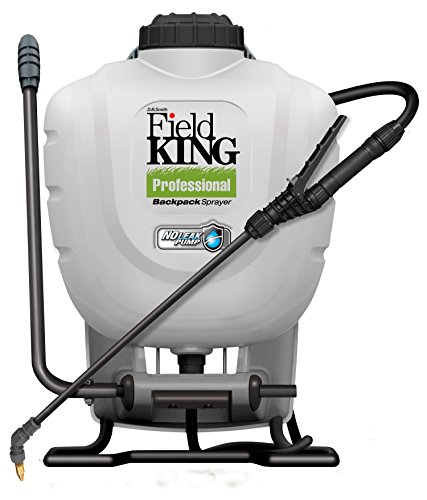
Internal No Leak Pump design is safer to use chemicals will not drip down your back. Internal piston pump delivers up to 150 PSI

🔋【Compatible with DeWalt & Milwaukee Battery】: The backpack sprayer is designed to be compatible with DeWalt 20V and Milwaukee 18V batteries, allowing you to use your existing batteries for longer spraying jobs. When one runs low, simply swap and keep spraying. The garden sprayer's digital voltage display shows power at a glance to remind you the battery level, while low-voltage protection (auto shut-off below 14V) maintain stable performance for better extend battery life.
Preparing the Sprayer
- Choose Your Sprayer: Select a sprayer that suits your tree’s height and your comfort level. Backpack sprayers offer mobility, while extended nozzle sprayers reach higher branches.
- Mix the Solution: Follow the product label for proper dilution. Use clean water and mix only the amount you’ll use in one session to maintain potency.
- Check the Nozzle: Ensure the nozzle is clean and free of clogs. Test it to confirm the sprayer produces an even mist or spray, which promotes coverage without waste.
- Wear Safety Gear: Equip yourself with appropriate protective measures. Use gloves, goggles, respirators, and long sleeves to minimize exposure to chemicals.
- Select the Right Time: Spray during calm, dry weather, ideally in the early morning or late afternoon. Avoid windy days to prevent drift and choose dry conditions to enhance effectiveness.
- Target the Entire Canopy: Start from the base of the tree, spraying outward and upward. Ensure even coverage of leaves, branches, and the trunk.
- Utilize Multiple Angles: Move around the tree, adjusting the sprayer angle to access all areas, especially the undersides of leaves where pests often hide.
- Apply in Layers: For trees with extensive canopies, apply multiple light layers instead of a single heavy coat. This strategy improves penetration and helps reach deeper foliage.
- Monitor Application Rate: Maintain a consistent pace when spraying to ensure uniform coverage. Take care not to oversaturate any area, as this can run off and reduce effectiveness.
By following these guidelines, you enhance the health and productivity of your tall fruit trees while ensuring safety and efficiency during the spraying process.
Common Pests and Diseases
Maintaining tall fruit trees involves managing various pests and diseases that can threaten their health and productivity. Familiarizing yourself with these common issues can help you implement effective control measures.
Recommended Products


Neem has been utilized for centuries in Ayurvedic Medicine for its unique healing properties. High in Vitamin C, Neem is also known to help fight signs of aging and pigmentation of the skin. Our Neem Herbal Soap is versatile, providing a deep clean yet gentle for all skin types and ages.

Aphids
Aphids are small, soft-bodied insects that suck sap from leaves. They weaken trees and can cause leaves to curl and yellow. Monitor your trees regularly for clusters of aphids, especially on new growth. Treat infestations with insecticidal soap or neem oil for effective results.
Spider Mites
Spider mites thrive in hot, dry conditions. They create fine webs on the underside of leaves and can cause stippling damage. Increase humidity around your trees and use miticides if necessary. Regularly washing leaves with water can help reduce populations.
Thrips
Thrips are tiny, slender insects that damage flowers and fruit, leading to scarring. Look for black or yellow specks on petals or fruit. Control thrips by applying insecticidal soaps or introducing beneficial insects like predatory mites.
Powdery Mildew
Powdery mildew appears as a white, powdery coating on leaves and stems. It thrives in humid conditions and can stunt growth. Promote air circulation through proper pruning and apply fungicides if needed.
Fruit Rot
Fruit rot, caused by various fungi, affects ripe fruit, leading to decay. Remove any rotting fruit from the ground and ensure good airflow among branches to reduce humidity. Fungicides can also help prevent outbreaks.
Canker Diseases
Canker diseases manifest as sunken lesions on bark and branches. These wounds allow pathogens to enter the tree, causing further damage. Prune away affected areas during dry weather and apply wound dressings if necessary.
- Regular Inspections: Monitor your trees weekly. Early detection leads to more effective treatment.
- Maintain Tree Health: Fertilize appropriately and water as needed to enhance tree resilience against pests and diseases.
- Use Companion Planting: Planting marigolds or basil nearby can repel certain pests naturally.
- Implement Organic Practices: Consider using organic controls like diatomaceous earth for a safer pest management approach.
By recognizing these pests and diseases, you can take proactive measures to protect your tall fruit trees, ensuring their longevity and productivity.
Conclusion
Taking care of tall fruit trees doesn’t have to be a daunting task. With the right tools and techniques you can easily reach those high branches and keep your trees healthy and productive. Remember to prioritize safety as you work at heights and always wear the necessary protective gear.
Timing your sprays and monitoring weather conditions can make a huge difference in your tree’s health. By following the steps outlined in this guide you’ll not only enhance the vitality of your trees but also enjoy a bountiful harvest. Happy spraying and may your fruit trees thrive for years to come!
Frequently Asked Questions
What are the challenges of maintaining tall fruit trees?
Maintaining tall fruit trees is challenging due to their height, which makes it difficult to reach the upper branches for care and pest control. Their broad canopies can obstruct access, and special tools are often needed to ensure proper spraying and pruning.
What tools are recommended for spraying tall fruit trees?
Recommended tools include backpack sprayers for mobility, extended nozzle sprayers for high branches, pole sprayers for trunk targeting, and airblast sprayers for large orchards. Each tool helps improve reach and effectiveness during pest control.
When is the best time to spray fruit trees?
The best times to spray fruit trees are in spring for early bud development and pest prevention, as well as mid-summer to control pests that thrive in warm weather. It’s essential to monitor weather conditions to ensure effectiveness.
What protective gear should I wear while spraying?
While spraying, you should wear protective clothing, gloves, eye protection, respirators, and hard hats. This gear ensures safety from chemicals and potential hazards while working at heights.
How can I manage pests on tall fruit trees?
To manage pests on tall fruit trees, perform regular inspections, maintain overall tree health through proper watering and fertilization, and utilize organic practices like companion planting. Effective treatment for common pests and diseases should be implemented as needed.
