

Pomegranate trees can thrive in Florida’s climate, particularly in the southern regions. Their adaptability to warm temperatures and well-drained soil makes them suitable for cultivation in this state.
Pomegranate Tree Growth in Florida
Pomegranate trees are well-suited for Florida’s subtropical climate, especially in zones 9 through 11. These trees prefer full sun and can tolerate brief periods of drought once established. Proper care and attention to soil conditions can significantly enhance their growth and fruit production.
Recommended Products

🌱 Pomegranate trees can produce high volumes of fruits. This is a fun tree to have with beautiful flower blossoms and fragrances. Tree can be trimmed to your desire. Punica Granatum COLOR: Red Fruit
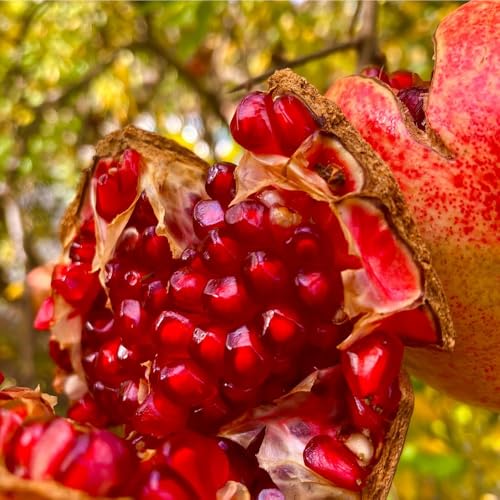
Product Quantity: 35+ organic pomegranate seeds per packet; Premium selection for optimal viability; Perfect for starting multiple trees to ensure successful germination

The Russian Pomegranate tree lives up to its name with its edible fruit, showy flowers, and low amount of overall maintenance. This Fruit tree is a joy to grow in any warm outdoor landscape.
Optimal Soil and Sunlight for Pomegranates
Pomegranate trees thrive in specific conditions that significantly influence their growth and fruit production. Understanding the optimal soil composition and sunlight requirements is crucial for successfully cultivating these trees in Florida’s unique climate. This section delves into the essential factors that contribute to the health and yield of pomegranate trees in the region.
Pomegranates flourish in well-drained soil with a pH between 5.5 and 7.0. They require full sun exposure for at least six hours daily. Here are key factors to consider for optimal growth:
Soil Type: Sandy loam or clay loam is ideal.
Watering Needs: Regular watering during dry spells is essential.
Temperature Tolerance: Pomegranates can withstand temperatures down to 10°F.
| Condition | Ideal Requirement |
|---|---|
| Soil pH | 5.5 to 7.0 |
| Sunlight | 6+ hours daily |
| Temperature | 10°F minimum |
Best Pomegranate Varieties for Florida
When considering pomegranate trees for Florida’s unique climate, selecting the right variety is crucial for successful growth and fruit production. Certain types thrive better in the state’s warm, humid conditions, ensuring a bountiful harvest. This section explores the best pomegranate varieties suited for Florida, highlighting their characteristics and adaptability.
Choosing the right variety is crucial for successful growth. Some varieties are better suited for Florida’s climate. Consider these popular options:
Wonderful: Known for large, sweet fruits and high yield.
Angel Red: Produces juicy, flavorful fruits with a soft seed.
Sweet: Offers sweet, less acidic fruits, ideal for fresh eating.
Effective Planting Methods for Pomegranates
When cultivating pomegranate trees in Florida, understanding effective planting methods is crucial for ensuring their success in the tropical climate. This section delves into the best practices for planting pomegranates, including soil preparation, spacing, and watering techniques that can help these vibrant trees thrive in the Sunshine State.
Proper planting techniques can set the foundation for healthy pomegranate trees. Follow these steps for effective planting:
Choose a Location: Select a sunny spot with good drainage.
Prepare the Soil: Amend with organic matter to improve drainage.
Dig a Hole: Make a hole twice the width of the root ball.
Place the Tree: Position the tree so the root crown is level with the soil surface.
Water Thoroughly: Ensure the tree is well-watered after planting.
Essential Maintenance for Pomegranate Trees
Maintaining pomegranate trees in Florida requires specific attention to their unique needs and environmental conditions. Understanding the essential care practices can ensure these trees thrive in the state’s warm climate, producing vibrant fruit while resisting common pests and diseases. This section outlines the crucial maintenance strategies for successful pomegranate cultivation in Florida.
Regular maintenance is essential for maximizing fruit production. Implement these practices:
Fertilization: Use a balanced fertilizer in early spring.
Pruning: Remove dead or crowded branches to improve air circulation.
Pest Control: Monitor for pests like aphids and scale; use organic pesticides if necessary.
| Maintenance Task | Frequency |
|---|---|
| Fertilization | Early spring |
| Pruning | Annually |
| Pest Monitoring | Monthly |
Pomegranate Growth Challenges in Florida
Growing pomegranate trees in Florida presents unique challenges due to the state’s humid subtropical climate. While these trees thrive in well-drained soil and plenty of sunlight, factors such as excessive moisture and pests can hinder their development. Understanding these growth challenges is essential for successful cultivation in this region.
Growing pomegranates in Florida can present challenges. Here are common issues and their solutions:
Overwatering: Leads to root rot. Ensure proper drainage.
Fungal Diseases: Can affect leaves. Apply fungicides as needed.
Fruit Splitting: Caused by inconsistent watering. Maintain regular moisture levels.
Optimal Pomegranate Harvesting Timing
Understanding the optimal timing for harvesting pomegranates is crucial for maximizing yield and flavor. In Florida’s unique climate, knowing when to pick these fruits can significantly influence their quality and marketability. This section delves into the best practices for determining the right moment to harvest pomegranates in the Sunshine State.
Harvesting pomegranates at the right time is crucial for flavor and quality. Follow these guidelines:
Timing: Harvest when fruit is fully colored and slightly soft to the touch.
Method: Use pruning shears to cut the fruit from the tree.
Storage: Store in a cool, dry place to prolong shelf life.
| Harvesting Tips | Best Practices |
|---|---|
| Color Check | Fully colored |
| Softness Check | Slightly soft |
| Storage | Cool, dry area |
Pomegranate Cultivation Tips for Florida
Pomegranate trees can thrive in Florida’s warm climate, but successful cultivation requires specific techniques tailored to the region. Understanding soil conditions, watering practices, and pest management is crucial for maximizing fruit yield and ensuring healthy growth. This section provides essential tips for Florida gardeners looking to cultivate these vibrant and fruitful trees.
Growing pomegranate trees in Florida can be rewarding with the right approach. Regular care, attention to soil conditions, and pest management are essential for success. This cultivation can lead to a bountiful harvest of delicious fruits.
