

Have you ever wondered why some fruit trees look like they’re wearing a fresh coat of paint? Whitewashing your fruit trees isn’t just about aesthetics; it’s a smart way to protect them from sunburn, pests, and disease. If you’ve got fruit trees in your yard, knowing when to whitewash can make a big difference in their health and productivity.
Picture this: a hot summer day and your trees are struggling under the sun’s harsh rays. You might notice bark damage or even reduced fruit yield. This article will guide you through the best times to whitewash your trees, ensuring they thrive year after year. By the end, you’ll have the knowledge to keep your trees healthy and happy, making your garden a fruitful oasis.
Key Takeaways
- Understanding Whitewashing: Whitewashing fruit trees involves applying a protective white solution to combat sunburn, pests, and diseases, enhancing tree health and productivity.
- Optimal Timing: The best times to whitewash are early spring and late fall; this protects trees as they emerge from dormancy and prepares them for winter conditions.
- Seasonal and Regional Factors: Adjust whitewashing schedules based on local climates; warmer regions may require more frequent applications compared to colder climates.
- Application Materials: Use a mixture of hydrated lime and water with proper tools like a paintbrush, sprayer, and protective gear for effective coverage.
- Common Mistakes: Avoid over-application and incorrect mixtures to prevent hindering the tree’s natural processes and causing potential bark damage.
- Reapplication Needs: Regularly check the whitewash and reapply as necessary to maintain optimal protection throughout the seasons.
Understanding Whitewashing
Whitewashing fruit trees involves applying a protective, white solution to tree trunks and larger branches. This practice helps safeguard trees from environmental stressors while promoting overall health.
Purpose of Whitewashing
Whitewashing serves multiple important purposes. It reflects sunlight away from the tree, reducing the risk of sunburn and temperature fluctuations. It also helps deter pests and diseases, creating a barrier that slows down the spread of harmful organisms. This simple act can significantly extend the life of your fruit trees.
Benefits for Fruit Trees
The benefits of whitewashing fruit trees include:
- Sun Protection: The white color deflects sunlight, preventing bark damage during hot months.
- Pest Deterrence: Many pests are less likely to settle on bright surfaces.
- Disease Prevention: Whitewashing helps to block fungal infections by sealing in moisture and reducing humidity around the trunk.
- Temperature Regulation: Maintains a consistent temperature, promoting healthy growth and fruit production.
By understanding these benefits, you can see the value of whitewashing in keeping your fruit trees strong and productive.
When to Whitewash Fruit Trees
Choosing the right time to whitewash fruit trees helps maximize their health and productivity. Consider seasonal changes and regional climates when planning this task.
Recommended Products
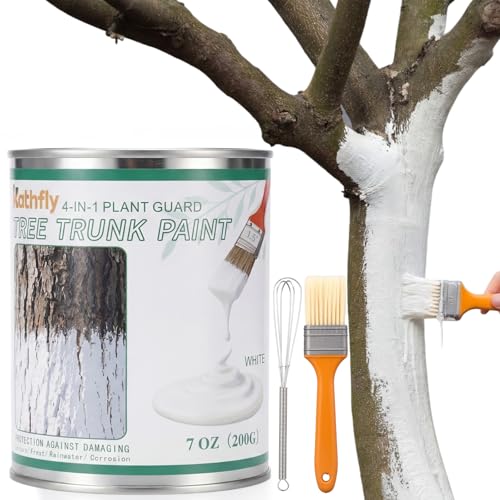
Easy to Use: simply pour the tree whitewash into the tin, add water to blend and stir (1: 1 ratio with water and powder, can add water according to the thickness you need), and brush smoothly to the tree trunk, ensure a simple care

MIX ONLY WHAT YOU NEED: Unlike premixed liquid paints that can skin over, dry out, or harden after opening, Garden Organix tree paint stays dry until you’re ready to use it. Mix only what you need, store the rest for later, and just mix more when you’re ready to paint again.
3 IN 1 SEASONAL TREE CARE: White tree trunk paint designed for summer sun exposure, winter sunscald conditions and seasonal bark care. Creates an even white coating on exposed trunks and lower bark areas
Optimal Timing Based on Seasons
Whitewashing is best done in early spring or late fall. In spring, trees emerge from dormancy, making them vulnerable to sunburn. Applying whitewash helps protect them from harsh sunlight. In late fall, the application offers protection before winter conditions set in. Avoid whitewashing during extreme temperatures or rainy days, as it can affect how the solution adheres and dries.
Regional Considerations
Regional climate impacts the timing of whitewashing. In warmer regions, where sunlight is intense, whitewashing might occur more frequently. In colder areas, focus on late fall preparations to combat winter sun glare. Research your specific climate conditions to determine the optimal time for your location. Consult local agricultural extensions for tailored advice on whitewashing based on regional weather patterns.
How to Whitewash Fruit Trees
Whitewashing fruit trees requires specific materials and a clear process. Follow these steps for effective application.
Recommended Products

Corrects soil acidity

✅ Mix with Copper Sulfate to make Bordeaux Mix to treat Blight

LIME BONSAI TREE SEEDS: 30 Lime Tree Seeds. Grow as Bonsai or for food.
Materials Needed
- Lime: Use hydrated lime or agricultural lime for the whitewash mixture.
- Water: Necessary for mixing the solution.
- Paintbrush or Sprayer: A large brush works well for trunk application, while a sprayer allows for even coverage on larger areas.
- Bucket: To mix the ingredients conveniently.
- Protective Gear: Wear gloves and a mask to avoid contact with lime dust.
- Prepare the Whitewash:
- Mix one part lime with three parts water in a bucket. Stir thoroughly to create a smooth paste.
- Clean the Trees:
- Remove any loose bark, moss, or debris from the trunk and larger branches. This ensures better adherence of the whitewash.
- Test the Solution:
- Apply a small amount of the mixture to a section of the tree. Wait for a few hours to check for any adverse reactions.
- Apply the Whitewash:
- Use a paintbrush or sprayer to coat the trunk and larger branches with the whitewash. Aim for even coverage without drips.
- Focus on Key Areas:
- Pay extra attention to the south and west sides of the tree, as these areas receive the most sunlight.
- Allow to Dry:
- Let the whitewash dry completely. This usually takes a few hours, depending on weather conditions.
- Reapply as Needed:
- Check your trees every few months. Reapply whitewash in cases where it has worn away due to rain or weather.
Following these steps ensures that your fruit trees receive the protection they need through effective whitewashing.
Common Mistakes to Avoid
Avoiding common mistakes makes whitewashing more effective for your fruit trees. Awareness of potential pitfalls helps ensure you get it right.
Recommended Products

Made for Lime & Citrus Trees – Formulated to support healthy growth in lime and citrus trees.

KILLS LISTED FRUIT & CITRUS TREE INSECTS: Controls Asian Citrus Psyllid, Whiteflies, Aphids Thrips, Citrus Leafminers, Leafhoppers, Blackfly, Mealybugs, Scales, Avocado Lacebugs, Oriental Beetles, Flea Beetles, Sharpshooters, and Spittlebugs

FORMULATED FOR CITRUS AND FRUIT TREES: Use these citrus fertilizer spikes on apple, orange, lemon, lime, and avocado trees; this formula is also great for feeding palm trees
Over-Application Issues
Over-applying whitewash creates a thick coating that may hinder the tree’s natural processes. A heavy layer restricts moisture and air, leading to rot or damage. Apply a thin, even coat for best results. Aim for just enough coverage without excessive buildup. Monitor your trees after application; if the whitewash starts to peel, it’s a sign to adjust your technique.
Choosing the Wrong Mixture
Choosing the incorrect mixture can lead to ineffective protection. A common mistake is using too much lime, resulting in a harsh solution that can harm tree bark. Opt for a balanced ratio, typically one part lime to three parts water. If you’re unsure, test a small patch before full application. Research local recommendations, as some regions may prefer specific formulations for optimal results.
Conclusion
Taking the time to whitewash your fruit trees can make a world of difference in their health and productivity. By choosing the right moments in early spring or late fall you give your trees the best chance to thrive. Remember to consider your local climate and avoid extreme weather conditions for the best results.
With the right approach and a little care you can protect your trees from sunburn pests and diseases. So grab your materials and get ready to give your fruit trees the love and protection they deserve. Happy gardening!
Frequently Asked Questions
What is whitewashing fruit trees?
Whitewashing fruit trees involves applying a white protective solution to the trunks and larger branches. This practice helps protect trees from sunburn, pests, diseases, and helps regulate temperature, promoting overall health and productivity.
Why is it important to whitewash fruit trees?
Whitewashing is crucial for reflecting sunlight, which reduces the risk of sunburn and helps deter pests and diseases. It also aids in temperature regulation, contributing to the longevity and productivity of fruit trees.
When is the best time to whitewash fruit trees?
The optimal times for whitewashing are early spring and late fall. Early spring protects trees from sunburn after dormancy, while late fall prepares them for winter conditions. Timing may vary based on regional climate.
Can I whitewash fruit trees during extreme weather?
It’s best to avoid whitewashing during extreme temperatures or rainy days. Such conditions can affect the adherence and drying of the whitewashing solution, leading to poor results.
What materials do I need for whitewashing?
To whitewash fruit trees, you’ll need a mixture of one part lime to three parts water. You may also require a paintbrush or spray equipment for even application. Testing a small patch before full application is advisable.
What mistakes should I avoid when whitewashing?
Common mistakes include over-application, which can suffocate the tree, and using an incorrect mixture. Always apply a thin, even coat and ensure you don’t use too much lime, as it can harm the bark.
How does climate affect whitewashing frequency?
Warmer regions may require more frequent whitewashing due to increased sun exposure, while colder climates should focus on preventive whitewashing in late fall. Always adjust your approach based on local climate conditions for best results.
