

Ever wonder how long it takes for a pear tree to bear fruit? If you’ve planted one or are thinking about it, you’re not alone. Many people dream of enjoying fresh pears from their own backyard, but the wait can feel endless.
Understanding the timeline for fruit production can help you set your expectations and plan accordingly. This article will walk you through the factors that influence how quickly your pear tree will start producing, from the type of tree to the care it receives. You’ll gain valuable insights to ensure your journey to homegrown pears is as smooth as possible.
Key Takeaways
- Variety Matters: Different pear tree varieties have varying fruit production timelines, with European pears taking 4-6 years and Asian pears 3-5 years to bear fruit.
- Ideal Conditions: Pear trees thrive in well-drained, loamy soils with a pH of 6.0-7.0, requiring full sun (6-8 hours daily) and consistent watering for optimal fruiting.
- Weather Influence: Temperate climates with distinct seasons are crucial; cold winters promote dormancy and flowering, while excessive heat or late frosts can hinder production.
- Age at Planting: The initial age of the tree affects fruiting; grafted nursery trees generally bear fruit more quickly (3-5 years) than seedlings (4-6 years).
- Encourage Growth: Proper pruning and fertilization practices enhance fruit production—prune during dormancy and use balanced fertilizers in early spring.
- Soil Management: Conduct soil tests to adjust nutrient levels and improve organic matter to boost root development and enhance fruit yield.
Understanding Pear Trees
Pear trees come in various types, and each has its unique characteristics that influence fruit production timelines. Knowing the specific variety can help you set realistic expectations for harvesting.
Types of Pear Trees
- European Pear (Pyrus communis): Common varieties include Bartlett and Anjou. They typically start producing fruit in 4 to 6 years.
- Asian Pear (Pyrus pyrifolia): Varieties like Shinko and Chojuro produce fruit in about 3 to 5 years. These pears often have a crunchy texture.
- Ornamental Pear (Pyrus calleryana): While primarily grown for aesthetic purposes, some develop fruit. They may take 5 to 10 years but don’t produce edible pears.
Understanding the type of pear tree you choose can significantly affect your fruit timing.
Ideal Growing Conditions
Pear trees thrive with specific care and environment. Factors influencing growth include:
- Soil Quality: Well-drained, loamy soil promotes healthy root development. Aim for a pH between 6.0 and 7.0.
- Sunlight: Pear trees require full sun for optimal fruiting. Aim for at least 6 to 8 hours of direct sunlight daily.
- Watering: Regular watering is essential, especially during dry spells. Deep watering encourages strong roots and enhances fruit production.
- Fertilization: Apply fertilizer in early spring to support tree growth and fruiting. Balanced fertilizers with equal parts nitrogen, phosphorus, and potassium work best.
- Pruning: Prune pear trees annually to maintain shape and remove dead or crowded branches. This practice increases air circulation and sunlight exposure, promoting better yields.
By ensuring these conditions, you enhance the chances of successful fruit production.
Factors Affecting Fruit Production
Understanding the factors that influence fruit production helps you manage expectations when growing pear trees. Key elements include the variety of pear tree, climate and weather conditions, and soil quality.
Recommended Products

Kindly NOTE: This soil tester can not be applied to test pH value of any other liquid. If the soil is too dry the indicator will not move, and water it before testing.

KNOW BEFORE YOU GROW | Grow the healthiest, sustainable lawn and garden with the most accurate and easy to use professional soil test kit on the market

✅ 1Dial & 1 LCD Screen - Replace/install all 3 batteries each time. Put button to %RH/°F to - Turn On, and put to LIGHT to - Turn Off. Read the LCD results in 3-5 mins. (Not Water Moisture Meter, so, please don't test liquid)
Variety of Pear Tree
Different pear tree varieties produce fruit at varying rates. European pear trees typically bear fruit in 4 to 6 years. In contrast, Asian pear trees may yield fruit in about 3 to 5 years. Ornamental pear trees, while beautiful, often take 5 to 10 years to develop non-edible fruit. Knowing the specific variety you plant allows you to anticipate the timeline for harvest.
Climate and Weather Conditions
Climate and weather conditions directly impact fruit production. Pear trees thrive in temperate climates with distinct seasons. They need a cold winter to promote dormancy and stimulate flowering. Excessively hot or humid conditions can lead to poor fruit set and reduce overall yield. Protecting trees from late spring frosts is crucial, as frost can damage blossoms. Regular monitoring of local weather forecasts assists in making timely decisions to ensure healthy growth.
Soil Quality
Soil quality influences root development and nutrient availability, both vital for fruit production. Pear trees prefer well-drained loamy soils rich in organic matter. Soil pH should range from 6.0 to 7.0 for optimal growth. Conducting soil tests before planting helps you understand nutrient levels and adjust them as needed. Proper fertilization and adding mulch around the base can enhance soil quality, contributing to better fruit yield.
Typical Growth Timeline
Understanding the typical growth timeline of pear trees helps you estimate when to expect fruit production. Several factors influence this timeline, including the tree’s age at planting and the time it takes to flower and bear fruit.
Recommended Products

Supports Fruit Production & Growth – Helps promote consistent fruit development, healthy foliage, and overall tree performance.

These are ready to plant and should be put in the ground according to the included instructions upon arrival. All pictures are of fully grown plants. Sizes shipped are in the title and description. Deciduous plants do not have leaves in the winter.

Light: Thrives in full sun for best fruit production.
Age of Pear Trees at Planting
Pear trees can be planted as seedlings, grafted nursery trees, or bare-root specimens.
- Seedlings: Often take longer to produce fruit, typically around 4 to 6 years before you see any pears.
- Grafted Nursery Trees: Usually bear fruit in about 3 to 5 years, as they often establish faster.
- Bare-Root Trees: May take 3 to 5 years, depending on the care you provide.
Choosing the right starting point influences your timeline significantly.
Time to Flower and Fruit
Once planted, the flowering and fruiting timeline varies by variety.
- European Pears: Start flowering in 4 to 6 years. Following successful pollination, expect fruit a few months later.
- Asian Pears: Typically flower within 3 to 5 years, and they generally produce fruit sooner than European varieties.
- Ornamental Pears: These trees produce flowers, but you might wait 5 to 10 years before seeing any fruit, which is usually not suitable for eating.
Providing optimal care, such as proper watering, light, and fertilization, can expedite the process. Regular maintenance like pruning will also encourage healthy growth, leading to a more fruitful harvest sooner.
Tips for Encouraging Fruit Production
Encouraging fruit production in your pear tree involves specific practices that ensure optimal growth and yield. Focus on proper pruning techniques and effective fertilization and soil management.
Recommended Products

PROFESSIONAL GARDENING GRAFTING TOOLS: Including 2 in 1 grafting pruning tools, 3 replaceable blades, a grafting knife, a screwdriver, a wrench, 2 grafting films, 160 rubber bands, 40 wide rubber bands, and 50 colorful tag cards

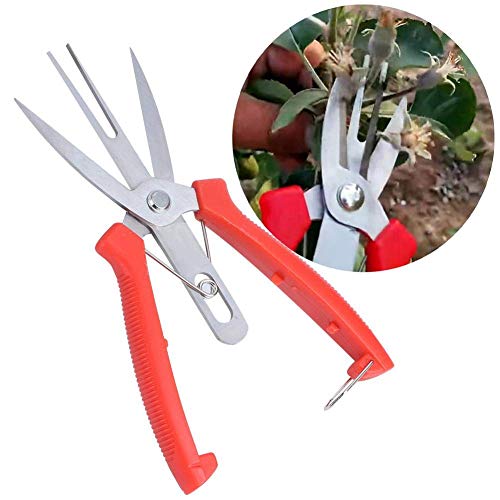
【ERGONOMIC HANDLE】: The handle of the pruning scissors is ergonomic. The comfortable handle prevents cramps and fatigue, and is easy to grasp and operate. Save effort and improve work efficiency.
Proper Pruning Techniques
Pruning plays a vital role in promoting fruit production. Here’s how to do it effectively:
- Timing Matters: Prune during late winter or early spring while the tree is dormant. This timing encourages healthy growth when the growing season starts.
- Focus on Structure: Remove any dead, damaged, or crossing branches. This improves airflow and light penetration, essential for healthy fruit development.
- Shape the Tree: Aim for an open-center or central leader shape to maximize sunlight exposure. An open shape fosters better fruiting wood.
- Throttle Growth: Avoid over-pruning. Maintain a balance that allows for vigorous growth while still promoting fruit production. Leave enough branches for potential flowering.
Fertilization and Soil Management
Proper fertilization and soil management underpin successful fruit production. Implement these strategies:
- Test Your Soil: Conduct a soil test to determine pH and nutrient levels. Pear trees thrive in well-drained, loamy soil with a pH between 6.0 and 7.0.
- Choose the Right Fertilizer: Use a balanced fertilizer, like a 10-10-10 or 20-20-20 formula. Apply during early spring when trees start to bud.
- Follow Application Guidelines: Apply the recommended amount based on the soil test results. Over-fertilization can harm your tree.
- Improve Organic Matter: Incorporate compost or well-rotted manure into the soil. This adds nutrients and improves soil structure, benefiting root development.
- Water Wisely: Maintain consistent moisture, especially during dry spells. Deep watering encourages deep roots, promoting better fruit development.
These practices will help your pear tree thrive and increase its fruit production over time.
Conclusion
Growing your own pear tree can be a rewarding journey. With a little patience and the right care you can look forward to enjoying delicious fruit in just a few years. Remember that every tree is unique and factors like variety and growing conditions play a big role in how quickly it bears fruit.
By following the tips for proper care and maintenance you can create an environment where your pear tree can thrive. So whether you’re planting a European or Asian variety keep nurturing your tree and soon enough you’ll be reaping the sweet rewards of your hard work. Happy gardening!
Frequently Asked Questions
How long does it take for a pear tree to bear fruit?
Pear trees typically start producing fruit in 4 to 6 years, depending on the variety. European pears usually take this amount of time, while Asian pears may bear fruit in 3 to 5 years. Ornamental pear trees may take longer, producing edible fruit in 5 to 10 years.
What factors affect the fruit production of pear trees?
Key factors that influence fruit production include the type of pear tree, soil quality, climate, and the care the tree receives. An ideal environment with proper sunlight, watering, and nutrition is essential for maximizing fruit yield.
What is the best soil type for pear trees?
Pear trees thrive in well-drained loamy soils rich in organic matter. Conducting soil tests can help determine nutrient needs and optimize soil quality for better root development and fruit production.
Do ornamental pear trees produce edible fruit?
Ornamental pear trees do produce flowers and fruit, but the fruits are often not edible. They are mainly grown for their aesthetic appeal rather than for fruit harvesting.
When should I prune my pear tree?
Pruning should be done in late winter or early spring before the tree starts to bloom. Proper pruning helps shape the tree, ensure better sunlight exposure, and promote overall health, which can enhance fruit production.
