

Ever wondered how to expand your garden without breaking the bank? Growing cuttings from fruit trees is a rewarding way to multiply your favorite varieties right at home. Imagine having a lush orchard filled with apples, pears, or cherries—all from a few simple cuttings.
Key Takeaways
- Cost-Effective Propagation: Growing fruit tree cuttings is a budget-friendly way to expand your garden without the expense of purchasing seedlings.
- Selecting the Right Time: The best time to take cuttings is late spring or early summer, just after the last frost, to ensure higher success rates.
- Healthy Parent Trees: Choose disease-free, vigorous trees for cuttings to promote strong growth and retain desired traits.
- Rooting Techniques: Utilize water or soil propagation methods to root cuttings, each method offering unique advantages for growth.
- Optimal Care Conditions: Maintain high humidity, proper light, and moderate temperatures for successful root development of the cuttings.
- Transplanting for Success: Check for a well-developed root system before transplanting, ensuring they are planted at the same depth and in nutrient-rich soil for best growth.
Understanding Fruit Tree Cuttings
Understanding fruit tree cuttings helps you successfully propagate your favorite varieties. This method not only saves money but also boosts your garden’s diversity.
What Are Cuttings?
Cuttings are sections of stems or branches taken from mature fruit trees. These segments root and grow into new trees. You can select softwood cuttings during spring or hardwood cuttings in late fall to early winter. Each cutting should have several healthy leaves and be approximately 6 to 12 inches long. The goal is to provide enough material for the new plant to flourish.
Benefits of Growing from Cuttings
Growing from cuttings offers numerous advantages:
- Cost-Effective: You can produce multiple trees without purchasing expensive seedlings.
- Genetic Identicality: Cuttings yield clones, ensuring that the new plants retain the parent tree’s traits, like flavor and disease resistance.
- Faster Results: Cuttings often root quicker than seeds germinate, giving you a head start on fruit production.
- Space Efficiency: This method requires minimal space, making it perfect for small gardens or container gardens.
Using cuttings enhances your garden while minimizing investment and effort.
Preparing for Successful Cuttings
Preparing successfully ensures your cuttings grow into thriving fruit trees. Focus on timing and selecting the right parent trees for optimal results.
Recommended Products
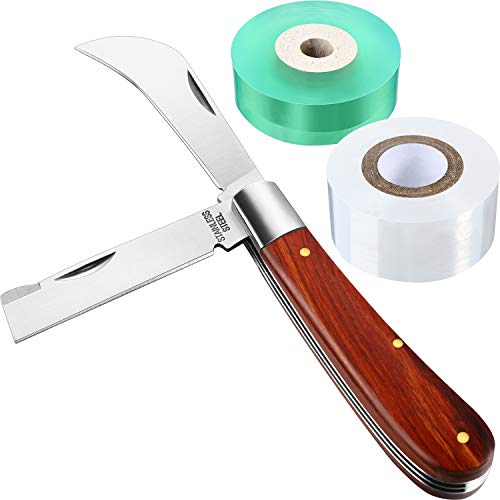
Package includes: you will get 1 double blades garden grafting knife and 2 rolls of grafting tapes in 2 sizes, ideal set for grafting budding, cutting, digging, sprouting, plants, weeding, cutting, sawing, etc.

PROFESSIONAL GARDENING GRAFTING TOOLS: Including 2 in 1 grafting pruning tools, 3 replaceable blades, a grafting knife, a screwdriver, a wrench, 2 grafting films, 160 rubber bands, 40 wide rubber bands, and 50 colorful tag cards

6-Piece Grafting Tool Set: Includes one SK5 steel grafting cutter, one 2CR13 steel grafting knife, three rolls of tape (1 white, 2 green), and one twist tie for complete propagation
Selecting the Right Time
Select the best time to take cuttings, which significantly influences success rates. Late spring or early summer works best when trees are actively growing. Aim for a few weeks after the last frost, allowing new growth to begin. Morning is the ideal time to cut; cooler temperatures and moisture levels from evening dew help keep cuttings fresh.
Choosing Healthy Parent Trees
Choose healthy parent trees to ensure high-quality cuttings. Look for trees free from diseases, pests, or stress signs. Opt for trees that produce abundant fruit and have strong, vigorous growth. Select branches that are a year or two old, as these tend to root more easily. Healthy parent trees lead to robust new plants that thrive in your garden.
The Cutting Process
Growing new fruit trees from cuttings involves a few essential steps that ensure success. Follow these detailed guidelines to maximize your results.
Recommended Products

【Super Value】— Including 8 packs of clear rooting balls (4 Small Size + 4 Medium Size ), 8 packs of Light-Shielding Film (4 Small Size + 4 Medium Size), and 32 cable ties for securing the rooting balls as needed.Fit branch size: 0.1-0.47inch.

★ 1. What you get: Professional convenient grafting tool set including a dual-use grafting pruner tool contain 2 extra replaceable blades, a wrench and a screwdriver, along with 36pcs wide rubber bands, 150 thick rubber bands and 1 grafting tape, packed in a black wallet to meet all your needs

✂Multifunctional -2 in 1 Garden Grafting Tools-Professional grafting set allows you to pruning and grafting at the same time, saving more time and effort than traditional grafting methods, easy to use and more efficient. It allows you to trim away excess leaves and twigs and prepare the plants to be grafted. At the same time, you can make a precise cut into the grafting stock with the special grafting blade.
Taking the Cuttings
Use sharp, clean pruning shears to take cuttings from healthy parent trees. Aim for one to two-year-old branches, as these typically root best. Cut sections that are around six to eight inches long. Make sure to include a few leaf nodes, as these contain vital growth hormones. For optimal timing, take cuttings in late spring or early summer when the tree’s energy is directed towards new growth. Remember, the earlier in the day you take cuttings, the fresher they’ll be.
Preparing the Cuttings for Rooting
After cutting, it’s essential to prepare your cuttings for rooting. Remove any leaves from the lower half to prevent rot when placed in soil. Dip the cut end in rooting hormone to stimulate root growth. If you don’t have rooting hormone, using cinnamon can also work as a natural alternative. Choose a well-draining medium such as perlite or a mix of peat moss and sand for planting. Use a pencil or stick to create holes in the medium, then place the cuttings in the holes, firming the soil around them. Water gently to settle the medium without displacing the cuttings.
By following these steps, you enhance the chances of successful rooting and thriving new fruit trees.
Rooting Techniques
Rooting cuttings from fruit trees can be done using different techniques. The two most popular methods are water propagation and soil propagation. Each method has its benefits, so choose the one that fits your gardening style best.
Recommended Products

PROMOTES ROOTING: Rooting hormone grows new plants from cuttings

ROOTING HORMONE POWDER FOR PLANT CUTTINGS: Includes #1, #3, #8 and #16, one 21g bottle of each. Choose the appropriate root starter for plant propagation, from tender houseplant cuttings to difficult woody cuttings.

THE ULTIMATE ROOTING BOOSTER: Specially formulated with all-natural rooting hormone and vitamins, our propagation drops dramatically speed up root development and strengthen plants at every stage, from delicate cuttings to mature houseplants.
Water Propagation Method
Water propagation involves placing cuttings in water until roots develop. Follow these steps for success:
- Prepare Cuttings: Take a 6 to 8-inch cutting from the parent tree, ensuring it has a few leaf nodes. Remove leaves from the lower half.
- Place in Water: Put the cut end in a clear container filled with room-temperature water. Ensure that at least one leaf node is submerged, while the others stay above water.
- Change Water Regularly: Replace the water every few days to keep it fresh. Clear water promotes healthy root growth.
- Monitor Root Development: Watch for roots to begin forming, which usually takes 2 to 4 weeks. You’ll see white, fibrous roots emerging from the submerged nodes.
This method allows you to see the root development process, ensuring you have a healthy cutting before moving it to soil.
Soil Propagation Method
Soil propagation involves planting cuttings directly into a potting medium. This technique often leads to robust root systems. Here’s how to do it:
- Prepare Cuttings: Similar to water propagation, cut a 6 to 8-inch section, removing leaves from the bottom.
- Select a Medium: Use a sterile, well-draining potting mix rich in organic matter. A mix of perlite and peat moss works well.
- Dip in Rooting Hormone: Coat the cut end in rooting hormone for an added boost. This encourages root growth.
- Plant the Cutting: Make a hole in the soil with your finger or a pencil, insert the cutting, and gently firm the soil around it. Ensure it’s stable and deep enough to support growth.
- Water and Cover: Water the cutting lightly and consider covering it with a plastic bag or a clear container to maintain humidity. Open it occasionally to prevent mold.
- Wait for Roots: Place the pot in a warm, bright area but avoid direct sunlight. Roots typically form in 4 to 8 weeks.
This method allows direct access to nutrients as the roots develop. It also prepares the cutting for eventual transplanting into the garden.
Care for New Cuttings
Providing proper care for your new cuttings ensures successful growth and transplanting. Focus on creating optimal conditions and knowing when to move them to their final home.
Optimal Conditions for Growth
Maintaining the right environment significantly influences the success of your cuttings.
- Humidity: Keep humidity levels high by covering cuttings with plastic bags or a humidity dome. This prevents moisture loss and helps roots develop.
- Light: Place cuttings in bright, indirect light. Direct sunlight can cause stress and drying.
- Temperature: Ideal temperatures range from 65°F to 75°F. Ensure they stay warm but not exposed to drafts or extreme heat.
- Watering: Water gently and keep the soil consistently moist, but not soggy. Overwatering leads to root rot, while underwatering halts growth.
Transplanting Cuttings
Timing your transplanting process is crucial for your cuttings’ success.
- Root System: Check for roots before transplanting. If roots are visible through the potting mix or water container, it’s time to move them.
- Soil Preparation: Select well-draining soil rich in organic matter for transplanting. This stimulates growth in the new environment.
- Transplanting Process: Carefully remove cuttings from their growing medium. Avoid damaging the delicate roots.
- Planting Depth: Plant cuttings at the same depth they were growing. Cover roots fully with soil and firm it slightly to eliminate air pockets.
- Aftercare: Water cuttings thoroughly after transplanting and provide partial shade for the first few days. Gradually introduce them to more sunlight as they adjust to their new environment.
By ensuring optimal growth conditions and transplanting at the right time, your fruit tree cuttings will thrive and contribute to a rich garden.
Conclusion
Growing cuttings from fruit trees is a rewarding journey that can transform your garden into a vibrant orchard. By following the right steps and providing the care your cuttings need, you’ll be well on your way to enjoying a bounty of fresh fruit right from your backyard.
Remember to choose healthy parent trees and the right time for taking cuttings. With a little patience and attention, you’ll see your efforts pay off as your new trees take root and thrive. So grab your pruning shears and get started on this exciting gardening adventure. Happy planting!
Frequently Asked Questions
What are fruit tree cuttings?
Fruit tree cuttings are sections of stems or branches taken from mature trees that can root and grow into new trees. This method allows gardeners to replicate their favorite varieties economically and increase garden diversity.
When is the best time to take cuttings from fruit trees?
The ideal time to take cuttings is late spring or early summer, a few weeks after the last frost. Cutting in the morning when temperatures are cooler is also recommended for better success.
How do I prepare the cuttings for planting?
To prepare cuttings, remove leaves from the lower half, cut sections that are six to eight inches long, and dip the cut end in rooting hormone or cinnamon. Then, plant them in a well-draining medium for optimal rooting.
What are the two main rooting techniques for cuttings?
The two main rooting techniques are water propagation and soil propagation. Water propagation involves placing cuttings in water, while soil propagation entails planting them directly into a sterile potting mix to encourage root growth.
How do I care for new cuttings after planting?
New cuttings require high humidity, bright indirect light, and proper watering. Monitor them for root development and ensure temperatures remain suitable for growth to promote healthy establishment.
When should I transplant the cuttings?
Transplant cuttings when you see visible roots developing. It’s important to move them carefully to prevent damaging the roots and to place them in well-draining, organic-rich soil for better growth.
Why should I consider multiplying my own fruit trees?
Multiplying your own fruit trees is cost-effective, providing genetic identicality to the parent trees, faster results, and enhanced diversity in your garden—all while requiring minimal investment and effort.
