

Guava trees can thrive in Idaho’s cold climate with the right strategies. Utilizing protective measures and selecting cold-hardy varieties can significantly increase their chances of survival.
Cold-Hardy Guava Varieties for Idaho
Choosing the right variety is crucial for successful growth in Idaho. Some guava varieties are more tolerant of cold temperatures than others. Look for options that can withstand frost and have shorter growing seasons. The following varieties are recommended for colder climates:
| Variety Name | Cold Tolerance | Growth Habit | Flavor Profile |
|---|---|---|---|
| Pineapple Guava | 20°F | Shrub | Sweet, tropical |
| Strawberry Guava | 25°F | Tree | Sweet, aromatic |
| Mexican Cream Guava | 30°F | Tree | Creamy, mild |
Optimal Site Selection for Guava Trees
Proper site preparation is essential for guava trees to thrive in colder regions. Select a location that receives full sun and has well-draining soil. Avoid areas with standing water or heavy clay. Consider the following steps for optimal site preparation:
Test soil pH to ensure it is between 6.0 and 7.0.
Amend soil with organic matter to improve drainage and nutrient content.
Create raised beds if necessary to enhance drainage and warmth.
Winter Protection Strategies for Guava Trees
Guava trees, typically thriving in warmer climates, face unique challenges in Idaho’s cold winters. To ensure their survival, gardeners must adopt effective winter protection strategies that shield these tropical plants from freezing temperatures and harsh conditions. This section explores practical methods to help guava trees endure the winter months and emerge healthy in spring.
Winter protection is vital for guava trees in Idaho. Implementing effective strategies can shield them from harsh temperatures and frost. Consider these protective measures:
Use frost cloths or blankets to cover trees during cold snaps.
Apply mulch around the base to insulate roots.
Construct windbreaks using burlap or wooden fences to reduce wind exposure.
Recommended Products

Premium Material - Made of 2.06 oz/yd²(70gsm) breathable, non-woven fabric, the frost blankets for outdoor plants are an affordable, durable, and convenient way to provide frost and cold protection to outdoor plants. Breathable yet waterproof, these winter plant covers allow sunlight to penetrate while shielding a plant from cold air and helping to maintain a consistent inner temperature.
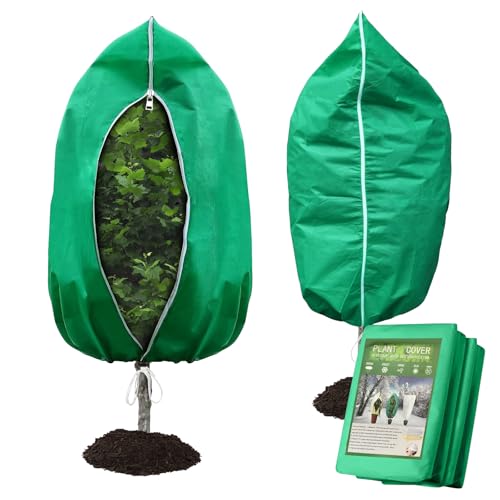
🌬️ Ultimate Cold Weather Protection:Crafted from thick 2.8oz/yd² non-woven fabric, our HEKIWAY plant freeze covers shield your trees and plants from frost, snow, wind, and ice. A reliable barrier for harsh winters, ensuring your greenery survives and thrives

Protect Plants From Frostbite: 2.2 oz/sq yard non-woven fabric as the material of plant cover to protect your plant against freeze, frost and other cold weather during winter
Watering and Fertilization Techniques for Guavas
Successfully cultivating guava trees in Idaho’s cold climate requires careful attention to watering and fertilization. These techniques are crucial for promoting healthy growth and ensuring that the trees can thrive despite the challenging conditions. Understanding the specific needs of guavas will help gardeners maximize their yield and enhance the resilience of their plants.
Water and nutrient management play a significant role in the health of guava trees. In cold climates, it is essential to adjust watering and fertilization practices. Follow these guidelines for optimal growth:
Water deeply but infrequently to encourage deep root growth.
Fertilize in spring with a balanced fertilizer to promote healthy growth.
Monitor soil moisture to avoid overwatering, especially during winter.
Recommended Products

Supports Flowering & Fruit Production – Helps encourage strong flowering, fruit set, and consistent guava development.

Supports Flowering & Fruit Production – Helps encourage strong flowering, fruit set, and consistent guava development.

CITRUS PLANT FOOD: This avacado, mango and citrus fruit tree fertilizer feeds plants for up to 3 months and nourishes above and below the soil
Pest Management Strategies for Guava Trees
Pest management is crucial for the successful cultivation of guava trees in Idaho’s cold climate. Understanding the specific pests that threaten these trees and implementing effective control measures can help ensure healthy growth and fruit production. This section explores various strategies to protect guava trees from pests while adapting to the unique challenges posed by the region’s climate.
Pest and disease management is crucial for the overall health of guava trees. Cold climates can still harbor pests that threaten growth. Implement these strategies to protect your trees:
Inspect regularly for signs of pests such as aphids or scale insects.
Use organic insecticides if infestations occur.
Practice crop rotation to minimize disease risk in the soil.
Recommended Products

Control diseases and insects in your garden with Captain Jack’s Fruit Tree Spray Concentrate! Use on a variety of listed fruits, nuts and citrus plants.

Control diseases and insects in your garden with Captain Jack’s Fruit Tree Spray Concentrate! Use on a variety of listed fruits, nuts and citrus plants.
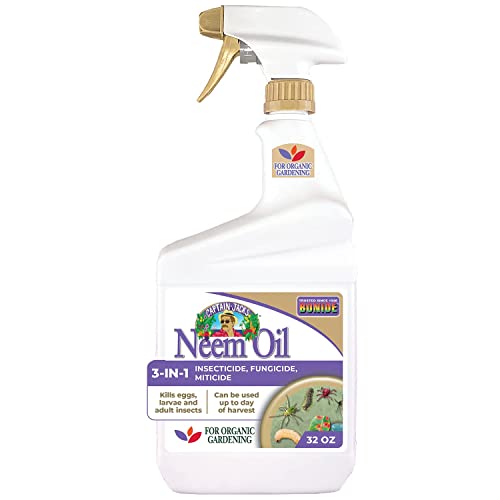
MULTI-PURPOSE BUG KILLER - Bonide Neem Oil is a perfect pest control solution for any garden dealing with mites, flies, mildew, and more. This product is a three-in-one fungicide, miticide, and insecticide.
Microclimate Strategies for Guava Tree Survival
In Idaho’s challenging climate, guava trees require careful attention to their microenvironments to thrive. By employing specific strategies to enhance their local conditions, gardeners can significantly improve the chances of these tropical plants surviving and even flourishing in colder temperatures. Understanding these microclimate strategies is essential for successful guava cultivation in this unique setting.
Establishing a microclimate can enhance the survival of guava trees in Idaho. This involves modifying the environment around the trees to create more favorable conditions. Consider these methods:
Plant near heat-retaining structures like walls or patios.
Use containers to move trees indoors during extreme weather.
Incorporate companion plants that provide shade and protection.
Growth Tracking and Care Adjustments for Guavas
Monitoring the growth of guava trees in Idaho requires a keen understanding of their unique needs in a cold climate. Adjusting care practices based on specific growth patterns can significantly enhance their chances of survival and fruit production. This section explores effective strategies for tracking growth and making necessary care adjustments to optimize guava health in challenging conditions.
Regular monitoring is essential for ensuring the health of guava trees. Adjusting care based on growth patterns and environmental conditions can lead to better outcomes. Keep these points in mind:
Observe leaf color and growth rate for signs of stress.
Adjust watering schedules based on seasonal changes.
Prune dead or damaged branches to encourage new growth.
Implementing these survival strategies can significantly enhance the chances of guava trees thriving in Idaho’s cold climate. Proper selection, preparation, and ongoing care are essential for success.
