

Have you ever wondered if fruits only grow on trees? You might picture apples hanging from branches or oranges swaying in the breeze. But the truth is, fruits can pop up in a variety of places, and not all of them are high above the ground.
Imagine strolling through a garden and spotting strawberries nestled among the leaves or a pumpkin sprawling across the soil. This article will explore the different ways fruits can grow and help you appreciate the diverse world of fruit-bearing plants. Whether you’re a gardening enthusiast or just curious, you’ll discover that the world of fruits is more exciting than you might think.
Key Takeaways
- Fruits grow on various types of plants, including trees, shrubs, bushes, and vines, not just on trees.
- The classification of fruits includes simple fruits, aggregate fruits, and multiple fruits, highlighting the diverse ways fruits develop.
- Key fruit-bearing plants include common trees like apple and orange trees, as well as shrubs like blueberries and blackberries.
- The fruit growth process involves stages such as pollination, initial development, maturation, and ripening, which are crucial for seed dispersal.
- Common misconceptions suggest that fruits only grow on trees, but many fruits, like strawberries and cucumbers, thrive on non-woody plants.
- Understanding the variety of fruit-bearing plants can enhance your gardening skills and broaden your appreciation for fruits.
Understanding Fruits
Fruits come from various types of plants, not just trees. This section explores the definition and classifications of fruits to enhance your understanding.
Definition of Fruits
Fruits develop from the ovary of a flower after fertilization. They serve as a means for plants to spread seeds. In botanical terms, any structure that contains seeds can be classified as a fruit. Thus, not all fruits appear as you’d expect. For example, tomatoes and cucumbers fall under the fruit category, though they grow on vines, not trees.
Types of Fruits
Fruits can be categorized based on their structures and growth patterns. Here are the primary types:
- Simple Fruits: Develop from a single ovary. Examples include apples, bananas, and cherries. They can be fleshy, like peaches, or dry, like nuts.
- Aggregate Fruits: Form from multiple ovaries of one flower. Examples include raspberries and blackberries. Each small section of these fruits is an individual fruit from a single flower.
- Multiple Fruits: Develop from the ovaries of multiple flowers. Examples include pineapples and figs. Each component results from a separate flower, merging into a single fruit.
Understanding these classifications helps recognize the variety of fruits available, whether they grow on trees, shrubs, or vines.
Common Fruit-Bearing Plants
Fruits grow in a variety of environments, not just on trees. They can thrive in shrubs, bushes, and even on the ground. Here’s a closer look at some common fruit-bearing plants.
Recommended Products

🍓 3 Popular Berry Plants in One Pack: Get 2 of each plant. Includes live Blueberry, Raspberry, and Blackberry plants—America’s most loved backyard fruits for fresh eating, smoothies, and desserts.
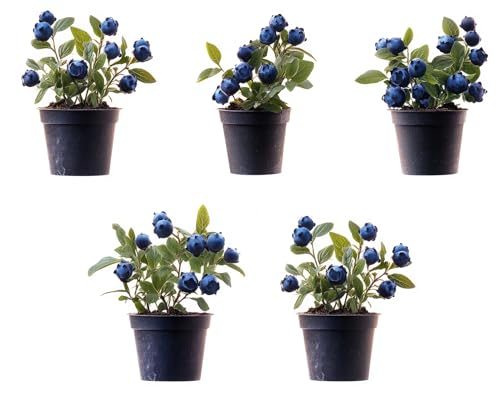
BLUEBERRIES: Produces large, sweet berries with consistent harvests each season. Ideal for fresh eating, baking, freezing, and preserving, giving you versatile use from a single planting.

🍇 Live Fruit-Bearing Blueberry Plants – Receive 3 healthy, rooted and dormant blueberry tree seedling ready to transplant into your garden, raised bed, or patio container.
Trees
Trees prominently bear fruits many people recognize. Examples include:
- Apple Trees: Apples grow from the branches, maturing throughout summer into fall.
- Orange Trees: Oranges develop in clusters, providing juiciness year-round.
- Peach Trees: Peaches mature in summer, appreciated for their sweet flavor.
Trees often require space and specific conditions, but they yield abundant fruit.
Shrubs and Bushes
Fruit-bearing shrubs and bushes produce delicious options near the ground. Notable examples are:
- Blueberry Bushes: Blueberries ripen in summer, offering antioxidants in every bite.
- Blackberry Bushes: Blackberries grow in bramble-like clusters, perfect for sugary treats.
- Currant Bushes: Currants provide tartness in jams and desserts, thriving in temperate zones.
These plants are often easier to maintain, making them a favorite for home gardens.
Vines and Creepers
Vines and creepers produce unique fruits, often taking advantage of vertical space. Examples include:
- Grape Vines: Grapes hang in clusters, ideal for snacking and winemaking.
- Cucumber Vines: Cucumbers grow along the ground or up trellises, refreshing in salads.
- Pumpkin Vines: Pumpkins sprawl on soil, commonly harvested in fall for decor and pies.
These plants add variety to your garden and can efficiently use limited space.
The Biology of Fruit Growth
Fruits grow through a fascinating biological process that involves several key stages. Here’s how it works.
Recommended Products

Efficient Pollination: You will receive 12pcs pollination brushes in three different sizes, designed to improve the pollination efficiency of indoor hydroponic plants and greenhouse gardens, and you can choose the right brush to solve the problem of low fruit


Pollination and Fertilization
Pollination initiates fruit development. This stage occurs when pollen from the male part of a flower reaches the female part of the same or another flower. Various agents, such as bees, wind, and birds, facilitate this process. Once successful, fertilization takes place, where the pollen joins with the ovule inside the ovary. This fertilization triggers the ovary to begin transforming into a fruit, ensuring the seeds within can develop.
Growth Stages of Fruits
Fruits undergo several growth stages, each crucial to their overall development.
- Initial Development: Following fertilization, the ovary expands as cells multiply. This stage marks the transition from flower to fruit.
- Cell Division: During this stage, cells produce rapidly, leading to the fruit’s growth. Nutrients from the plant flow to support this.
- Maturation: As the fruit matures, it develops color, flavor, and texture. This stage often attracts animals, which helps in seed dispersal.
- Ripening: The final stage involves biochemical changes. The fruit softens, sweetness increases, and a pleasing aroma develops. This signals to animals that the fruit is ready to eat, facilitating seed spreading.
By understanding these stages, you can appreciate the complexity behind fruit growth and the various factors that contribute to their development.
Misconceptions About Fruit Growth
Many people think fruits only grow on trees. This belief overlooks a broad spectrum of plants that also produce fruits.
Do Fruits Grow Only on Trees?
Fruits grow on various types of plants—it’s not exclusive to trees. Shrubs, bushes, and vines all produce fruits. For example, strawberries grow on low-lying plants and offer delicious berries without requiring trunks or large branches. Similarly, cucumbers develop on sprawling vines that thrive on the ground, providing a popular fruit often used in salads. Understanding this variety enriches your gardening knowledge and promotes a wider appreciation for fruits.
Other Sources of Fruits
Fruits come from many sources beyond trees.
- Shrubs: Blueberries and blackberries flourish on bushes, offering sweet fruits close to the ground.
- Vines: Grapes and kiwis grow on climbing vines, providing fruits that can drape over trellises or fences.
- Herbaceous plants: Plants like tomatoes and peppers, technically fruits, grow from herbaceous stems without needing a woody structure.
This diversity shows that fruits can flourish in nearly any environment, making it easier for you to find suitable plants for your garden or enjoy a variety of fruits in your diet.
Conclusion
Fruits can surprise you with their incredible variety and adaptability. They don’t just grow on trees but thrive in all sorts of environments. Whether it’s a bush full of blueberries or a vine laden with cucumbers there’s a world of fruity possibilities waiting for you.
Next time you bite into a juicy strawberry or enjoy a slice of watermelon take a moment to appreciate the journey it took to reach your plate. Exploring different fruit-bearing plants can inspire your gardening adventures and add delicious flavors to your meals. So go ahead and embrace the diversity of fruits in your garden and kitchen. You might just discover a new favorite!
Frequently Asked Questions
Do fruits only grow on trees?
Fruits do not exclusively grow on trees. They can also grow on shrubs, bushes, and vines. Examples include strawberries on the ground, blueberries on bushes, and cucumbers on sprawling vines. This showcases the diversity of fruit-bearing plants.
What are the types of fruits?
Fruits are categorized into three primary types: simple fruits (like apples), aggregate fruits (such as raspberries), and multiple fruits (like pineapples). Each type represents a different growth and structure, enriching our understanding of fruit diversity.
How do fruits develop?
Fruits develop from the ovary of a flower after fertilization. The process starts with pollination, followed by fertilization, initial growth, cell division, maturation, and finally ripening, which is crucial for their development and readiness for consumption.
Can fruits grow in different environments?
Yes, fruits can thrive in various environments including trees, bushes, and vines. For instance, apple and peach trees, blueberry bushes, and grape vines demonstrate the adaptability of fruit-bearing plants to different gardening spaces.
What are common misconceptions about fruit growth?
A common misconception is that all fruits grow on trees. In reality, many fruits grow on bushes and vines, and some herbaceous plants like tomatoes and peppers also produce fruit. This diversity allows for various gardening options and fruit choices.
