

Wondering when to prune your fruit trees in Georgia? You’re not alone. Many gardeners face the challenge of timing their pruning just right to ensure healthy growth and bountiful harvests. Pruning at the wrong time can lead to poor fruit production or even damage your trees.
Key Takeaways
- Timing is Crucial: Prune fruit trees in Georgia during late winter to early spring (late January through March) while they are still dormant for optimal growth and health.
- Know Your Trees: Different fruit trees (peach, apple, pear, fig) have unique pruning needs; understanding their growth cycles aids in effective pruning.
- Benefits of Pruning: Proper pruning improves fruit quality, enhances air circulation, encourages new growth, and shapes the tree, leading to healthier and more productive fruit trees.
- Avoid Common Mistakes: Prevent damage by pruning too late or over-pruning, neglecting tool sanitation, ignoring tree structure, and failing to observe growth patterns before cutting.
- Essential Tools: Use appropriate pruning tools like hand pruners, loppers, and pruning saws to effectively maintain your fruit trees and promote healthy growth.
- Follow a Systematic Approach: Assess the tree, make clean cuts, thin the canopy, and regularly reassess to achieve balanced and healthy tree growth.
Understanding Fruit Trees
Fruit trees play a vital role in Georgia’s agriculture and gardening. Knowing the types of fruit trees and their growth cycles helps you manage and prune them effectively.
Types of Fruit Trees Common in Georgia
Georgia’s climate supports a variety of fruit trees. Here are some of the most common types:
- Peach Trees: Peaches thrive in Georgia’s warm climate. They produce delicious fruit and require careful pruning to ensure healthy growth.
- Apple Trees: Apple trees do well in cooler areas of Georgia. They need less frequent pruning compared to peaches.
- Pear Trees: Pears adapt well to Georgia’s soil. They benefit from pruning to maintain shape and promote fruiting.
- Fig Trees: Figs thrive in Georgia’s heat. Minimal pruning keeps them productive and healthy.
Each type has unique requirements for care and maintenance, which influences when you should prune them.
Growth Cycles of Fruit Trees
Understanding the growth cycles of your fruit trees provides insights into proper pruning timings. These cycles include:
- Dormant Phase: Most fruit trees enter dormancy in late fall to early winter. Pruning during this time encourages strong growth in spring.
- Bud Break: As trees awaken in spring, buds begin to form. Pruning after bud break can stress the tree, leading to reduced fruit production.
- Fruit Development: During late spring and summer, trees focus energy on fruit development. Avoid pruning during this period to prevent disruption.
Observing these growth phases ensures you prune at the optimal times, enhancing fruit production and tree health.
The Importance of Pruning
Pruning fruit trees in Georgia significantly impacts their health and productivity. Regular pruning promotes better fruit quality and prevents potential diseases.
Recommended Products

PROTECTS PRUNED LIMBS: Tree & Shrub Pruning Seal Spray forms a waterproof protective seal over cuts and damaged areas to help guard trees and shrubs from insects and disease

Control diseases and insects in your garden with Captain Jack’s Fruit Tree Spray Concentrate! Use on a variety of listed fruits, nuts and citrus plants.

Dual Capacity Options –Tree wound dressing have between 100g and 500g single bottles to perfectly match your tree care needs, whether for small pruning jobs or larger landscaping projects
Benefits of Pruning Fruit Trees
- Improves Air Circulation: Proper pruning allows sunlight and air to reach all parts of the tree, helping reduce the chances of fungal diseases.
- Enhances Fruit Quality: Removing excess branches directs the tree’s energy to the remaining fruit, resulting in larger, tastier produce.
- Encourages New Growth: Pruning stimulates new shoots, leading to increased fruit production in the following seasons.
- Shapes the Tree: Regular pruning helps maintain the desired shape, making trees easier to manage and harvest.
- Removes Dead Wood: Cutting away dead or diseased branches prevents further spread of infection and promotes overall tree vigor.
- Pruning at the Wrong Time: Pruning too late in the season can damage new buds, reducing next season’s yield.
- Over-Pruning: Removing too many branches can stress the tree, leading to poor growth and fruit production.
- Neglecting to Clean Tools: Failing to sanitize pruning tools can spread diseases from one tree to another.
- Ignoring Tree Structure: Not considering the natural shape of the tree can result in weak growth and imbalance.
- Forgetting to Observe Growth Before Pruning: Assessing the tree’s growth each year ensures you prune effectively, catering to its unique development stage.
Timing for Pruning Fruit Trees in Georgia
Proper timing for pruning fruit trees in Georgia significantly affects tree health and fruit production. You must consider the specific seasons and months to achieve the best results.
Recommended Products
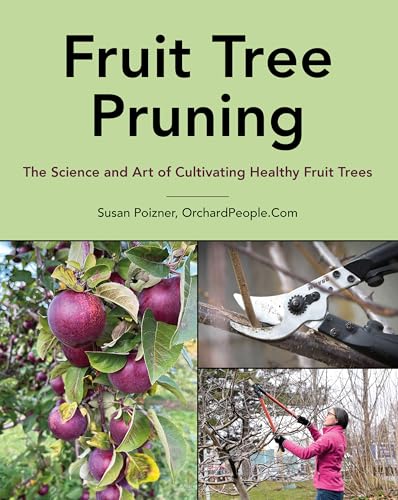

PROFESSIONAL GARDENING GRAFTING TOOLS: Including 2 in 1 grafting pruning tools, 3 replaceable blades, a grafting knife, a screwdriver, a wrench, 2 grafting films, 160 rubber bands, 40 wide rubber bands, and 50 colorful tag cards
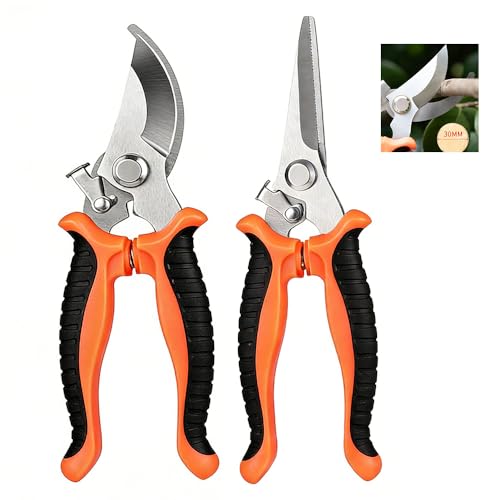
Essential Gardening Tool: This garden pruning shear is specially designed for light cutting tasks. Its blade body is treated with a special craft for smooth, consistently sharp cuts. Equipped with a high-elasticity spring, it opens and closes effortlessly for easy operation.
Ideal Months for Pruning
Prune fruit trees during late winter to early spring, ideally from late January through March. Peach trees benefit from pruning after the last frost, while apple and pear trees thrive when pruned just before new growth begins. Fig trees can be pruned in late winter or early spring as well. The goal is to prune while trees are still dormant, allowing for vigorous growth as the growing season begins.
Seasonal Considerations
Seasons play a crucial role in maintaining fruit trees. Winter is the best time for pruning because it minimizes the risk of disease and stress. During this dormant phase, trees conserve energy, making them more resilient after pruning. After completing winter pruning, observe the trees in spring and summer. Watch for any excessive growth or dead wood that may require summer pruning for continued health. Prune wisely based on seasonal growth patterns and the specific fruit tree type you have in your garden.
By following these guidelines, you enhance your fruit trees’ health and maximize fruit yield.
Techniques for Pruning
Pruning techniques play a significant role in maintaining the health and productivity of your fruit trees. Proper methods promote growth and enhance fruit production.
Pruning Tools You Need
Using the right tools makes a difference in the ease and effectiveness of pruning. Here’s a list of essential tools for pruning your fruit trees:
- Hand Pruners: Ideal for small branches and precise cuts.
- Loppers: Useful for cutting thicker branches, typically up to 1.5 inches in diameter.
- Pruning Saw: Perfect for larger branches that require more force.
- Pole Saw: Helpful for reaching high areas without using a ladder.
- Gloves: Protect your hands from cuts and scrapes.
- Pruning Shears: Essential for shaping and trimming smaller growth.
Make sure to keep your tools sharp and clean for optimal performance.
Step-by-Step Pruning Guide
Follow these steps to prune your fruit trees effectively:
- Assess the Tree: Look for dead, damaged, or diseased branches. Identify areas that block sunlight or air circulation.
- Plan Your Cuts: Decide which branches to remove, keeping the tree’s natural shape in mind. Focus on creating an open center for better light penetration.
- Start from the Bottom: Begin with lower branches and work your way up. Remove the branches first, as they are easier to reach.
- Make Clean Cuts: Use a single, swift motion to cut. Avoid jagged edges, as they can hinder healing. Cut just above a bud or lateral branch.
- Thin the Canopy: Maintain an open structure by selectively removing branches. Ensure that air can circulate freely, preventing diseases.
- Step Back and Reassess: After initial cuts, step back and evaluate the tree’s shape. Adjust as needed for even growth.
- Finish with Clean Up: Collect and dispose of cut branches and debris to prevent disease spread.
Following these techniques helps your fruit trees thrive, ensuring a bountiful harvest each season.
Conclusion
Pruning your fruit trees at the right time can make all the difference in their health and productivity. With the ideal window from late January through March in Georgia you can set your trees up for success. Remember to pay attention to each tree’s unique needs and growth cycles.
Regular pruning not only promotes better air circulation and fruit quality but also helps maintain the shape of your trees. By using the right tools and techniques you’ll ensure your fruit trees thrive for years to come. So grab those pruners and get ready to enjoy a bountiful harvest!
Frequently Asked Questions
When is the best time to prune fruit trees in Georgia?
The ideal months for pruning fruit trees in Georgia are from late January through March. Peach trees should be pruned after the last frost, while apple and pear trees benefit from pruning just before new growth begins.
Why is timing important for pruning fruit trees?
Timing is crucial for pruning because improper timing can lead to poor fruit production or damage the trees. Pruning during the dormant phase helps minimize disease risk and supports healthy growth.
What are the benefits of regular pruning?
Regular pruning improves air circulation, enhances fruit quality, encourages new growth, maintains tree shape, and removes dead wood, thus preventing disease.
What common fruit trees are found in Georgia?
Common fruit trees in Georgia include peach, apple, pear, and fig trees. Each type has unique care requirements that should be followed for optimal growth.
What tools are necessary for pruning fruit trees?
Essential pruning tools include hand pruners, loppers, pruning saws, pole saws, gloves, and pruning shears. Keeping these tools sharp and clean ensures effective cutting.
What are some common pitfalls in tree pruning?
Common pitfalls include pruning at the wrong time, over-pruning, neglecting to clean tools, ignoring the tree’s natural structure, and failing to observe the tree’s growth before pruning.
How can I improve my fruit tree pruning technique?
To improve your pruning technique, assess the tree first, plan your cuts, start from the bottom, make clean cuts, thin the canopy, reassess the tree’s shape, and always finish with cleanup.
