

Have you ever dreamed of enjoying sweet, juicy cantaloupes grown right in your own backyard, regardless of the season? Picture this: it’s a warm summer day, and you’re savoring the taste of freshly picked cantaloupe that you nurtured from seed to fruit. What if we told you that you can achieve this dream by growing cantaloupes in a greenhouse?
In this article, we’ll show you how to successfully cultivate these delicious fruits in a greenhouse environment. Imagine the satisfaction of harvesting your own homegrown cantaloupes, free from pesticides and full of flavor. With our expert tips and guidance, you’ll soon be on your way to becoming a successful cantaloupe grower.
Key Takeaways
- Choose cantaloupe varieties that are suitable for your greenhouse’s climate and space constraints, focusing on disease-resistant strains to ensure a successful harvest.
- Maintain optimal temperature, humidity levels, ventilation, and lighting in your greenhouse environment to support healthy cantaloupe growth year-round.
- Plant cantaloupe seeds in early spring with proper spacing and soil preparation rich in organic matter and nutrients to promote vigorous growth.
- Implement regular watering, appropriate fertilization, and integrated pest management strategies to nurture healthy cantaloupe plants in the greenhouse.
- Harvest ripe cantaloupes based on aroma, color, texture, and sound indicators; store them correctly at room temperature or refrigeration to maximize freshness and shelf life.
Choosing the Right Cantaloupe Variety for Your Greenhouse
When selecting the best cantaloupe variety for your greenhouse, consider the following factors:
Recommended Products
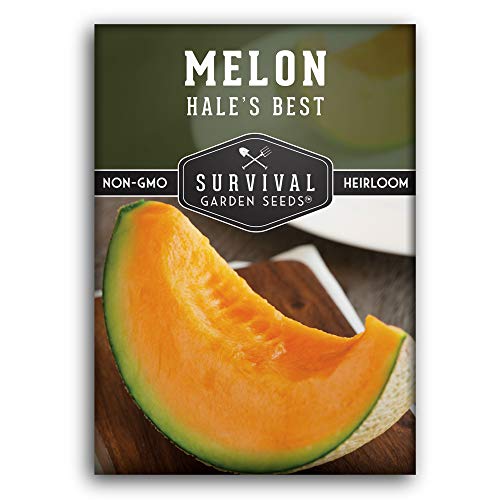
HEIRLOOM CANTALOUPE SEEDS – Enjoy classic homegrown flavor with sweet, juicy orange flesh and a small seed cavity for plenty of delicious fruit in every harvest from this beloved heirloom cantaloupe

Cantaloupe seeds garden seeds vegetable seeds bulk

Hale's Best Jumbo Heirloom Cantaloupe - Sweet, aromatic orange flesh; classic netted rind; open-pollinated California heirloom since the 1920s; Non-GMO; ideal for fresh slicing and seed saving. Cucumis melo var. reticulatus.
Consider the Climate and Space Constraints
Evaluate your greenhouse’s climate conditions and available space before choosing a cantaloupe variety. Some varieties thrive in warmer temperatures, while others prefer cooler environments. Ensure your chosen variety can adapt to the specific climate within your greenhouse to promote optimal growth.
Research Disease-Resistant Varieties
To prevent common diseases that can affect cantaloupes, research and select disease-resistant varieties. These varieties are bred to withstand prevalent diseases, reducing the risk of plant loss and ensuring a successful harvest. Look for resistant strains that align with the potential challenges in your greenhouse environment.
By carefully considering these factors when choosing a cantaloupe variety for your greenhouse, you’ll set yourself up for a fruitful and thriving growing experience.
Preparing Your Greenhouse Environment
To ensure the optimal growth of your cantaloupes in a greenhouse, you need to focus on setting up the perfect environment. This involves controlling the temperature and humidity levels, as well as ensuring adequate ventilation and lighting inside your greenhouse.
Recommended Products

Wellness Indicator: This humidity meter with humidity level icon indicates air conditions - DRY/COMFORT/WET, allowing this humidity sensor to ensure you’re always aware of changes to your home/household with just a quick glance

App Control:This bluetooth digital hygrometer helps you easily monitor temp and humidity changes from up to 260FT away (no obstructions); ThermoPro App does not require user registration to better protect your privacy

1-【Widely Application】The digital LCD monitor can be used in home, office, garage, schools, hotels, laboratories, kindergartens, aquaculture, instrument workshop, warehouse, reptile tank terrarium, aquarium, hermit crab habitat, and other places where temperature/humidity measurement is required.
Setting Up the Perfect Temperature and Humidity
Maintaining the right temperature and humidity levels is crucial for the successful growth of cantaloupes in a greenhouse. Cantaloupes thrive in warm temperatures between 70-85°F (21-29°C) during the day and slightly cooler temperatures at night. To regulate these conditions:
- Invest in a quality thermometer and hygrometer to monitor temperature and humidity levels accurately.
- Consider using shade cloths or applying shading paint to prevent overheating during hot days.
- Use fans or vents to promote air circulation, preventing excessive moisture buildup that can lead to fungal diseases.
Ensuring Adequate Ventilation and Lighting
Proper ventilation and lighting are essential factors for healthy cantaloupe plants in a greenhouse environment. Here’s how you can optimize these aspects:
- Install exhaust fans or louvers to ensure good air circulation, which helps prevent heat stress and disease development.
- Utilize grow lights if natural sunlight is insufficient, positioning them at an appropriate distance above the plants to mimic natural light intensity.
- Rotate your crops periodically to ensure uniform light exposure on all sides of the plants.
By focusing on these key elements when preparing your greenhouse environment, you’ll create an ideal setting for cultivating delicious cantaloupes year-round.
Planting and Cultivation Techniques
When it comes to growing cantaloupe in a greenhouse, the timing and spacing for optimal growth are crucial factors to consider. Proper soil preparation and nutrient requirements play a significant role in ensuring the success of your cantaloupe plants.
Timing and Spacing for Optimal Growth
For optimal growth, plant your cantaloupe seeds in early spring when the soil temperature reaches around 70°F (21°C). Make sure to space your seeds or transplants at least 36 inches apart in rows that are about 5-6 feet apart. This spacing allows the plants to have ample room for growth while ensuring good air circulation to prevent diseases.
Soil Preparation and Nutrient Requirements
Prepare well-draining soil rich in organic matter for your cantaloupes. Ensure the pH level is between 6.0-6.8 for optimal growth. Incorporate compost or well-rotted manure into the soil before planting to provide essential nutrients. Cantaloupes are heavy feeders; consider using a balanced fertilizer high in potassium to promote fruit development.
By following these planting and cultivation techniques, you’ll set a solid foundation for growing healthy and productive cantaloupes in your greenhouse.
Essential Care for Growing Cantaloupe
When it comes to growing cantaloupes in a greenhouse, there are essential care practices you need to follow to ensure successful cultivation. Here’s how you can take care of your cantaloupe plants effectively:
Regular Watering and Fertilization
To promote healthy growth and fruit development, make sure to water your cantaloupe plants regularly. Cantaloupes require consistent watering, especially during hot weather or when grown in containers. Ensure the soil remains moist but not waterlogged to prevent root rot.
Additionally, fertilize your cantaloupe plants appropriately to provide them with essential nutrients for vigorous growth. Use a balanced fertilizer that is high in potassium and phosphorus but relatively low in nitrogen. Apply the fertilizer according to the manufacturer’s instructions to avoid overfeeding, which can lead to issues like poor fruit set.
Pest and Disease Management Strategies
Protecting your cantaloupe plants from pests and diseases is crucial for a successful harvest. Implement integrated pest management strategies by monitoring your plants regularly for signs of infestation. Remove any affected leaves or fruits promptly to prevent the spread of diseases.
Consider using physical barriers like row covers or netting to keep common pests such as aphids and cucumber beetles at bay. You can also introduce beneficial insects like ladybugs or lacewings to control pest populations naturally.
Prevent fungal diseases by maintaining good air circulation around your plants and avoiding overhead watering, which can promote moisture-loving pathogens. If necessary, use organic fungicides as a preventive measure against powdery mildew or downy mildew.
By following these watering practices and adopting effective pest management strategies, you’ll be well-equipped to nurture healthy cantaloupe plants in your greenhouse environment.
Harvesting and Storing Cantaloupe
When it comes to harvesting and storing cantaloupe, it’s essential to know the signs of ripeness and the proper techniques for picking them at their peak. Additionally, storing your freshly harvested cantaloupes correctly can help maintain their freshness for longer periods.
Signs of Ripeness and Proper Harvesting Techniques
To determine if a cantaloupe is ripe and ready for harvest, look for these indicators:
- Smell: A ripe cantaloupe will have a sweet aroma at the blossom end.
- Color: The skin should have changed from green to beige or yellow between the netting.
- Texture: The rind should feel slightly soft when pressed near the stem end.
- Sound: When thumped, a ripe cantaloupe produces a deep, hollow sound.
When harvesting, use sharp scissors or pruning shears to cut the fruit from the vine rather than pulling it off. Leave a short stem attached to each melon as this can help prolong its shelf life.
Tips for Storing Cantaloupe to Maximize Freshness
Follow these tips to store your harvested cantaloupes properly:
- Room Temperature: If your cantaloupes are not fully ripe when picked, you can leave them at room temperature until they reach optimal ripeness.
- Refrigeration: Once fully ripe, store whole cantaloupes in the refrigerator at around 32-40°F (0-4°C) in a ventilated container such as a perforated plastic bag.
- Cut Cantaloupe: If you’ve already cut into a melon but aren’t consuming it all at once, cover the remaining portion tightly with plastic wrap or transfer it to an airtight container before refrigerating.
- Avoid Freezing: While you can freeze pureed cantaloupe for later use in smoothies or desserts, freezing whole or sliced pieces will affect their texture negatively.
Conclusion
You’ve now learned the ins and outs of growing cantaloupe in a greenhouse. From selecting the right variety to harvesting and storing, you’re equipped with all the knowledge you need to nurture your own sweet, juicy melons. Remember to pay attention to signs of ripeness, use proper harvesting techniques, and store your cantaloupes correctly for maximum freshness. By following these tips and tricks, you’ll soon be enjoying delicious homegrown cantaloupes that are bursting with flavor. Happy gardening!
Frequently Asked Questions
What are the key points covered in the article?
The article covers selecting cantaloupe varieties, environmental preparation, planting, cultivation techniques, essential care practices, harvesting signs of ripeness, proper harvesting methods, and tips for storing cantaloupes to maintain freshness.
How do I know when a cantaloupe is ripe and ready to harvest?
A ripe cantaloupe will have a sweet aroma near the stem end, exhibit a golden color under the netting pattern on its skin, feel slightly soft at the blossom end when gently pressed with your thumb, and produce a hollow sound when thumped.
What is the best way to store harvested cantaloupes?
Store uncut cantaloupes at room temperature until fully ripe. Once cut, store them in an airtight container in the refrigerator for up to 5 days. Avoid freezing whole or sliced pieces as it may affect their texture negatively.
