

Have you ever wondered if you can plant fruit trees close together in your yard? It’s a common dilemma for gardeners wanting to maximize their space while still enjoying a bountiful harvest. You might be dreaming of a lush garden filled with apples, peaches, or cherries but are unsure how to arrange them.
In this article, you’ll discover the pros and cons of planting fruit trees in close proximity. You’ll learn about the factors that influence their growth and health, helping you make informed decisions for your garden. By the end, you’ll feel confident about creating a thriving fruit tree oasis, no matter how small your space is.
Key Takeaways
- Proper Spacing is Crucial: Ensure adequate distance between fruit trees to promote healthy growth, optimal sunlight exposure, and air circulation, preventing competition for resources.
- Consider Tree Size and Root Systems: Larger trees need more space than dwarf varieties. Assess root systems to determine the ideal planting distance for each species.
- Benefits of Proximity: Planting fruit trees close together can maximize garden space and enhance cross-pollination, leading to improved fruit yields.
- Be Aware of Challenges: Close planting increases competition for nutrients and heightens the risk of disease and pest infestations; regular maintenance and monitoring are essential.
- Select Compatible Varieties: Choose fruit trees that share similar sunlight and water requirements, and consider pairing trees that benefit from cross-pollination.
- Implement Best Practices: Regular pruning, effective nutrient management, pest control, and targeted watering are vital for maintaining the health of closely planted fruit trees.
Understanding Fruit Tree Spacing
Planting fruit trees at the right distance apart is essential for healthy growth and a bountiful harvest. Proper spacing affects sunlight exposure, air circulation, and nutrient availability. Delve into the importance of this aspect, as well as the factors that influence the ideal spacing for your trees.
Recommended Products

TWO USAGE METHODS: Our branch trunk support has two types of Y-shaped supports, which can support branches of different diameters. You can choose a method based on the size of the branch. Holds branches up to 0.5"& 1.8" in diameter respectively corresponding to two different support methods. Stop losing your fall harvest to broken branches!
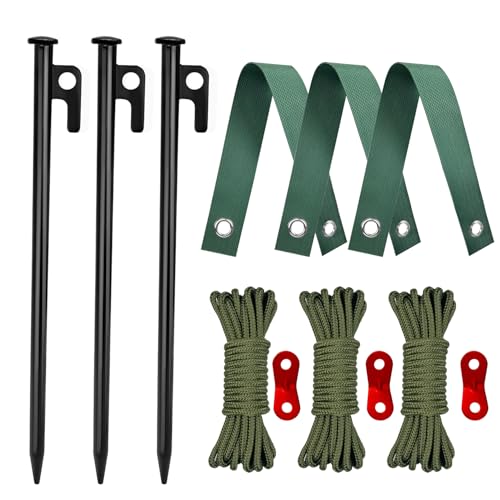
【Value Package】Package comes with 3pcs tree stakes,3pcs tree straps for staking and 3pcs ropes (each 13ft) with 3pcs aluminium tensioners. Complete tree stake kit enable your saplings to grow straight and healthy even in windy conditions

Protect Young Trees from Bad Weather: Tree stake kits are typically used when planting young trees, particularly those with small or shallow root systems, in order to provide support and promote healthy growth. Young trees are more susceptible to wind damage than mature trees, FCENDS tree stake kit can help to support the tree and prevent it from leaning or tipping over in high winds.
Importance of Proper Spacing
Proper spacing promotes healthy tree growth and optimal fruit production. Trees planted too close together compete for resources like water, light, and nutrients. This competition can lead to stunted growth or disease. For example, apple trees typically require 10 to 20 feet of space between each other, while dwarf varieties only need about 6 to 10 feet. Adequate spacing ensures roots can spread, branches can grow, and sunlight can reach all parts of the tree, enhancing overall vigor.
Factors Influencing Spacing
Several factors influence how far apart you should plant your fruit trees. Consider the following:
- Tree Size: Mature size varies by species. Larger trees need more space, while smaller or dwarf varieties can be planted closer.
- Root System: Different trees have distinct root systems. Trees with extensive roots need more room to spread without encroaching on neighboring trees.
- Climate: Regions with high humidity or rainfall may require more spacing to improve air circulation, reducing fungal diseases.
- Sunlight: Ensure trees receive sufficient sunlight. Overshadowing from nearby trees can hinder growth and fruit production.
- Maintenance: Spacing impacts accessibility for pruning and harvesting. Plan space to facilitate easy care of your trees.
By understanding the importance of proper spacing and the factors influencing it, you can make informed decisions when planting fruit trees. This knowledge will help create a thriving fruit tree garden, maximizing both space and yield.
Benefits of Planting Fruit Trees Close Together
Planting fruit trees close together offers several benefits while maximizing your garden space. However, it’s essential to balance proximity with the trees’ health and productivity.
Maximizing Space in Small Gardens
Utilizing limited garden space effectively helps achieve a vibrant fruit garden. Planting trees closer can allow you to fit more varieties without overcrowding. For example, choose dwarf trees, which thrive in tighter spaces, requiring only 6 to 10 feet apart. This strategy provides more opportunities for different fruits while ensuring healthy growth.
Potential for Cross-Pollination
Planting fruit trees nearby can enhance cross-pollination, resulting in better fruit yields. Many fruit trees, like apple and pear, rely on cross-pollination from nearby trees to produce more fruit. Positioning compatible varieties close together encourages pollinators, such as bees, to transfer pollen, boosting fruit set. For optimal results, plant at least two different varieties within proximity. This practice maximizes your harvest and improves the overall health of your fruit trees.
Challenges of Planting Fruit Trees Close Together
Planting fruit trees close together presents several challenges that can impact their growth and productivity.
Recommended Products

Control diseases and insects in your garden with Captain Jack’s Fruit Tree Spray Concentrate! Use on a variety of listed fruits, nuts and citrus plants.

KILLS LISTED FRUIT & CITRUS TREE INSECTS: Controls Asian Citrus Psyllid, Whiteflies, Aphids Thrips, Citrus Leafminers, Leafhoppers, Blackfly, Mealybugs, Scales, Avocado Lacebugs, Oriental Beetles, Flea Beetles, Sharpshooters, and Spittlebugs

Let our professionally formulated plant food help your fruit tree grow healthy, strong AND abundantly producing
Competition for Nutrients
Trees planted in proximity compete for nutrients in the soil. Each tree requires access to essential minerals, water, and organic matter to thrive. When trees are too close, larger ones can overshadow smaller varieties, limiting their light exposure and stunting growth. For instance, apple trees need significant nutrients to produce fruit, and if planted too closely, they might not receive enough to meet their needs. Consider using soil testing kits regularly to check nutrient levels and adjust your fertilization practices accordingly. This ensures that all trees receive adequate nutrients, even in a crowded space.
Disease and Pest Issues
Crowded trees increase the risk of disease and pest infestations. When fruit trees are planted together, airflow between them can diminish, creating a humid environment conducive to fungal diseases like powdery mildew. Moreover, pests might spread easily between trees in close proximity. For example, aphids can quickly infest nearby trees, resulting in widespread damage. Implementing regular inspections and targeted treatments can help manage these risks. Encourage natural predators, such as ladybugs, by planting companion flowers nearby. Healthy spacing can significantly reduce problems and promote a more resilient garden.
Best Practices for Close Planting
Planting fruit trees close together can maximize your garden’s space while ensuring a fruitful harvest, but you must follow some best practices.
Selecting Compatible Tree Varieties
Choose fruit tree varieties that thrive together. For instance, apple trees and pear trees often pollinate each other, boosting yields. Opt for dwarf varieties if space is limited; they usually require less room and can be planted even closer together. Avoid pairing trees with different sunlight or water needs. For example, placing a water-intensive tree like cherry next to a drought-resistant tree can create competition. Aim for compatible fruit trees that enhance growth and production while sharing similar requirements.
Techniques for Maintenance
Maintain your fruit trees effectively to minimize competition and promote healthy growth.
- Regular Pruning: Trim branches to improve airflow and sunlight exposure. This practice also encourages vertical growth, allowing trees to thrive despite limited space.
- Nutrient Management: Test your soil regularly. Adjust the fertilization routine based on nutrient levels. Ensure all trees receive adequate nutrients without overcrowding.
- Pest Control: Inspect for pests often. Use organic insecticides or introduce beneficial insects to manage infestations naturally. This strategy keeps trees healthy and minimizes disease spread.
- Watering Strategy: Implement a targeted watering approach. Utilize soaker hoses or drip irrigation to deliver moisture directly to tree roots, reducing competition for water.
By selecting compatible varieties and following these maintenance techniques, you can successfully plant fruit trees close together, creating a thriving garden while optimizing space and resources.
Conclusion
Planting fruit trees close together can be a rewarding challenge. With the right approach you can create a thriving garden even in limited space. Just remember to choose compatible varieties and consider their growth needs to ensure they flourish together.
Regular maintenance is key to keeping your trees healthy while maximizing your harvest. By monitoring soil health and practicing good pruning techniques you can reduce competition and promote better airflow.
Whether you’re after a bountiful yield or simply want to enjoy the beauty of fruit trees in your yard you have the tools to make it happen. Happy gardening!
Frequently Asked Questions
Can fruit trees be planted close together in a garden?
Yes, fruit trees can be planted close together, but proper spacing is essential. Dwarf varieties allow for more trees in a small area, maximizing space and promoting cross-pollination. However, too-close planting can lead to competition for resources and increased disease risk.
What is the recommended spacing for apple trees?
Apple trees generally need 10 to 20 feet of space between them. Dwarf apple tree varieties only require about 6 to 10 feet apart. Adequate spacing helps ensure healthy growth and fruit production.
What challenges arise from planting fruit trees too close?
Planting fruit trees too close can cause competition for nutrients, limited sunlight, and increased risk of pest infestations and diseases. Crowded conditions may result in stunted growth and lower fruit yield.
How does cross-pollination benefit fruit trees?
Cross-pollination enhances fruit yields as many fruit trees, like apples and pears, require compatible varieties to produce more fruit. Positioning these varieties close together attracts pollinators, increasing the chances of successful pollination.
What maintenance is needed for closely planted fruit trees?
Regular maintenance includes pruning for better airflow, soil testing for nutrient management, targeted watering, and organic pest control. These practices are vital for the health of closely planted trees.
What are the best practices for planting trees in small spaces?
For small spaces, choose compatible dwarf tree varieties and plant them at the appropriate spacing. Regularly monitor growth, adjust nutrient levels, and employ companion planting to attract beneficial organisms that help control pests.
