

Have you ever dreamed of plucking fresh avocados right from your own garden? Growing an avocado tree can feel like a daunting task, but it’s easier than you might think. Whether you’re a seasoned gardener or just starting out, you can cultivate your own tree and enjoy delicious fruit.
Key Takeaways
- Understand Avocado Varieties: Familiarize yourself with the three main types of avocado trees—Hass, Fuerte, and Bacon—to choose the best fit for your climate and taste preferences.
- Ideal Growing Conditions: Ensure your avocado tree thrives by providing full sunlight, well-draining soil, and appropriate watering. Aim for USDA zones 9 to 11 for optimal growth.
- Effective Planting Techniques: Select a sunny location with good airflow, prepare the soil with organic matter, and ensure proper drainage to support root development.
- Consistent Care Practices: Water deeply but infrequently, fertilize regularly with a balanced formula, and ensure nutrients are evenly distributed to promote healthy growth and fruit production.
- Encourage Fruit Production: Implement pruning and effective pollination methods, including planting both Type A and Type B avocado trees and attracting pollinators to enhance fruit yield.
- Manage Pests and Diseases: Stay vigilant for common pests and diseases, utilizing appropriate treatments like insecticidal soap and enhancing drainage to maintain tree health and productivity.
Understanding Avocado Trees
Avocado trees are versatile plants that can thrive in various conditions. Recognizing the specifics about these trees can enhance your chances of successfully growing one.
Types of Avocado Trees
You’ll encounter three main types of avocado trees:
- Hass: Known for its dark, pebbly skin and nutty flavor. It produces fruit year-round, with a peak season from late winter to early spring.
- Fuerte: Recognized by its smooth, green skin and creamy texture. This variety is more frost-resistant and typically fruits from late fall to early spring.
- Bacon: Known for its milder taste, this type has a green, smooth skin and produces fruit in late winter to early spring. It’s less common but still valued for its flavor.
Selecting the right type depends on your climate and personal taste preferences.
Ideal Growing Conditions
Understanding ideal growing conditions is crucial for successful avocado cultivation.
- Climate: Avocado trees thrive in USDA zones 9 through 11. They prefer warm temperatures but can tolerate mild frost.
- Soil: Use well-draining soil, ideally sandy or loamy. Avocados dislike waterlogged roots, so ensure proper drainage.
- Sunlight: Position the tree in a location that receives full sun, at least six hours daily, fostering production and growth.
- Watering: Provide regular watering during the growing season. However, avoid overwatering; letting the soil dry out between waterings helps prevent root rot.
Observing these conditions enhances the likelihood of healthy growth and productive avocado trees.
Planting Your Avocado Tree
Planting your avocado tree involves selecting the right spot and preparing the soil effectively. Follow these guidelines for a successful planting experience.
Recommended Products

All-Natural: Special blend for growing avocados in containers or as houseplants
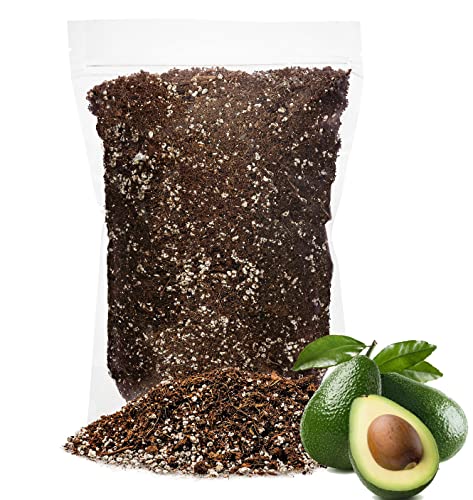
🌳 PROFESSIONALLY MIXED IN THE USA - Each bag is hand blended on our small family farm with premium horticultural grade ingredients: Canadian Peat Moss, Sand, Perlite, Worm Castings, Clay Pebbles (LECA), Lime - 1 QUART BAG

【Expertly Crafted】Meticulously formulated with a blend of organic matter, perlite, and vermiculite for optimal tree growth and fruit production.
Choosing the Right Location
Select a location with full sunlight for at least six hours daily. Avocado trees thrive in warm temperatures and avoid freezing conditions. Ensure the area has good airflow and is away from strong winds. Look for well-drained soil to prevent root rot, avoiding low-lying spots where water collects. Consider planting near a southern or southwestern wall to enhance warmth and shield young plants from cold gusts.
Preparing the Soil
Prepare the soil by testing its pH level. Aim for a range of 6 to 6.5 for optimal growth. Amend the soil with organic compost or well-rotted manure to enrich nutrients. Loosen the soil to a depth of at least 24 inches to encourage root development. Mix in sand if the soil is overly clay-like to improve drainage. Dig a hole measuring twice the width and depth of the root ball to provide ample space for your avocado tree’s roots.
Caring for Your Avocado Tree
Caring for your avocado tree requires attention to its watering and fertilizing needs. Proper care ensures healthy growth and bountiful fruit production.
Recommended Products
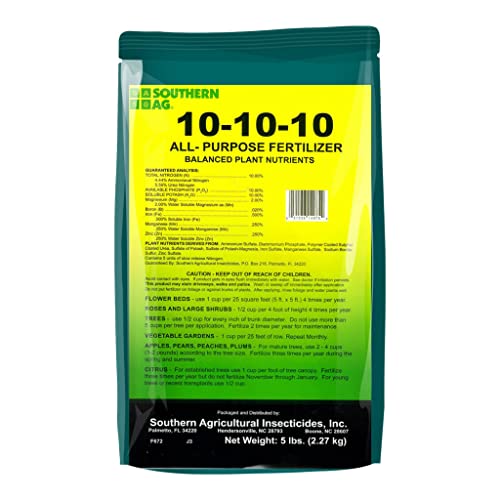

FORMULATED FOR CITRUS AND FRUIT TREES: Use these citrus fertilizer spikes on apple, orange, lemon, lime, and avocado trees; this formula is also great for feeding palm trees

Supports Strong Roots & Growth – This avocado fertilizer helps promote deep root development, healthy foliage, and overall plant strength.
Watering Practices
Water your avocado tree deeply but infrequently to encourage strong root development. Allow the top 2-3 inches of soil to dry out between waterings. In warmer months, this usually means watering once a week. During cooler seasons, reduce frequency based on rainfall. Use well-draining soil to prevent root rot. If your tree is in a container, ensure the pot has drainage holes and avoid letting it sit in water.
Fertilizing Tips
Fertilize your avocado tree three to four times a year during the growing season. Use a balanced fertilizer, such as a 10-10-10 formula. Apply about 1 pound of fertilizer for every year of the tree’s age, up to 10 pounds. Spread the fertilizer evenly around the tree’s drip line, avoiding direct contact with the trunk. Water the tree after applying fertilizer to help it absorb nutrients effectively. For organic options, consider compost or fish emulsion to provide essential nutrients.
Encouraging Fruit Growth
Encouraging your avocado tree to bear fruit requires careful attention to specific gardening practices. Implementing the right techniques vastly improves your chances of successful fruit production.
Recommended Products

CLEAN CUTS FOR LIVE GROWTH: Bypass blade design is ideal for pruning delicate flower stems and green growth, helping reduce crushing and plant damage while cutting stems and small branches up to 5/8” in diameter

LONG-LASTING SHARPNESS: Japanese SK5 bypass blade with titanium coating is tested through 5,000 cuts to maintain a sharp edge and deliver clean, consistent cuts on live stems and branches

· ULTRA-SHARP SK5 STAINLESS STEEL - Engineered with premium SK5 stainless steel, these heavy duty pruning shears deliver razor-sharp precision and maximum hardness. The rust-resistant blades are designed to stay sharp longer, effortlessly resisting corrosion and sap buildup for smooth, friction-free garden shears performance year after year.
Pruning Techniques
Pruning an avocado tree promotes better airflow and sunlight penetration, essential for fruit development. Follow these steps:
- Timing: Prune during the late winter or early spring before new growth starts.
- Tools: Use clean, sharp pruning shears to avoid damaging the tree.
- Method: Remove dead or damaged branches to promote growth. Thin out crowded branches to ensure ample light reaches all areas. Aim for an open canopy.
- Height Control: Maintain a manageable height for easy harvesting by trimming back the top growth.
Regular pruning encourages a robust structure, which directly supports fruit-bearing potential.
Pollination Methods
Pollination plays a crucial role in avocado fruit set. Utilize these methods to ensure effective pollination:
- Types of Flowers: Understand that avocado trees produce two types of flowers—Type A (morning bloom) and Type B (afternoon bloom). Both are necessary for cross-pollination.
- Tree Planting: Plant both types of avocado trees near each other for better compatibility and increased fruit yield.
- Pollinator Attractants: Encourage pollinators like bees by planting flowers nearby. Consider sunflowers or lavender, which attract these beneficial insects.
- Hand Pollination: For enhanced results, use a small brush to transfer pollen from male to female flowers if natural pollination seems insufficient.
Implementing these techniques will significantly boost your avocado tree’s chances of fruiting successfully.
Common Pests and Diseases
Pests and diseases can hinder the growth of your avocado tree and impact its fruit production. Identifying issues early helps maintain a healthy tree.
Identifying Issues
Look for signs of common pests like aphids, spider mites, and scale insects. Aphids cluster on young shoots and leaves. Spider mites create fine webbing, often on the underside of leaves. Scale insects appear as small, brown bumps on branches and leaves. In addition to pests, be aware of diseases such as root rot and powdery mildew. Root rot, caused by overwatering or poor drainage, leads to yellowing leaves and wilting. Powdery mildew shows as white, powdery spots on leaves, indicating high humidity and poor airflow.
Treatment Options
Treat pests with insecticidal soap or neem oil, applying thoroughly to affected areas. Repeat every 7-10 days until pests are gone. For root rot, improve drainage by amending the soil with compost and ensuring proper watering practices. If powdery mildew develops, increase airflow around the tree by pruning nearby plants and removing affected leaves. Additionally, consider using fungicides specifically designed for powdery mildew. Regular monitoring helps catch issues early, ensuring your avocado tree stays healthy and productive.
Conclusion
Growing your own avocado tree can be a rewarding experience that brings fresh fruit right to your backyard. With the right care and attention you can enjoy the delightful taste of homegrown avocados. Remember to choose the right variety for your climate and ensure your tree gets plenty of sunlight and proper watering.
By following the tips on pruning and pollination you’ll encourage a healthy yield. Keep an eye out for pests and diseases to maintain your tree’s health. With a little patience and dedication your avocado tree will thrive and provide delicious fruits for years to come. Happy gardening!
Frequently Asked Questions
Can I grow an avocado tree in my garden?
Yes, you can grow an avocado tree in your garden! With the right conditions, including full sunlight, well-drained soil, and proper watering, gardening enthusiasts can successfully cultivate avocado trees and enjoy fresh fruit.
What types of avocado trees are there?
The three main types of avocado trees are Hass, Fuerte, and Bacon. Each variety offers distinct flavors and ripening seasons. Choose the one that best suits your taste and local climate for optimal growth.
What is the ideal climate for growing avocado trees?
Avocado trees thrive in warm climates. They prefer temperatures between 60°F to 85°F. Protect them from freezing temperatures and ensure they receive enough sunlight and airflow.
How should I plant an avocado tree?
Select a sunny location with well-drained soil. Prepare the soil by testing pH levels and enriching it with organic compost. Dig a hole large enough for the root ball and place the tree at the same depth it was in its container.
How do I care for my avocado tree?
Water your avocado tree deeply but less frequently, allowing the top 2-3 inches of soil to dry out between waterings. Fertilize three to four times a year with a balanced fertilizer or organic options for nutrient support.
How do I encourage fruit growth on my avocado tree?
To encourage fruit growth, practice proper pruning techniques in late winter or early spring, manage tree height for easy harvesting, and ensure good airflow around the tree.
What is cross-pollination, and why is it important for avocado trees?
Cross-pollination is essential for avocado trees since they produce two flower types. Planting both Type A and Type B flowers nearby enhances fruit set, increasing overall yields.
How can I prevent pests and diseases in my avocado tree?
Regular monitoring helps identify pests like aphids and diseases such as root rot early. Utilize insecticidal soap for pests and improve drainage to prevent root rot. Increasing airflow can help combat powdery mildew.
