

Pear trees thrive in Chicago’s climate, particularly in Urban Hardiness Zone 5a. To ensure successful growth, select varieties suited for colder temperatures and prepare for potential winter challenges.
Best Pear Tree Cultivars for Chicago
Choosing the right pear tree variety is crucial for success in Chicago’s climate. Look for cultivars that can withstand cold winters and adapt to urban conditions. Popular choices include Bartlett, Bosc, and Kieffer. These varieties not only offer delicious fruit but also exhibit good disease resistance.
| Variety | Cold Hardiness | Disease Resistance | Fruit Flavor |
|---|---|---|---|
| Bartlett | -20°F | Moderate | Sweet |
| Bosc | -20°F | High | Sweet-Spicy |
| Kieffer | -25°F | High | Mild-Sweet |
Recommended Products


Each offer includes one plant grown in a 4 inch pot

Light: Thrives in full sun for best fruit production.
Soil Preparation for Healthy Pear Trees
Proper soil preparation is essential for healthy pear trees. Aim for well-draining soil with a pH level between 6.0 and 7.0. Conduct a soil test to determine nutrient levels and amend accordingly. Incorporate organic matter like compost to enhance soil structure and fertility.
Test soil pH using a home test kit.
Amend soil with compost or peat moss as needed.
Ensure drainage by digging a hole larger than the root ball.
Recommended Products
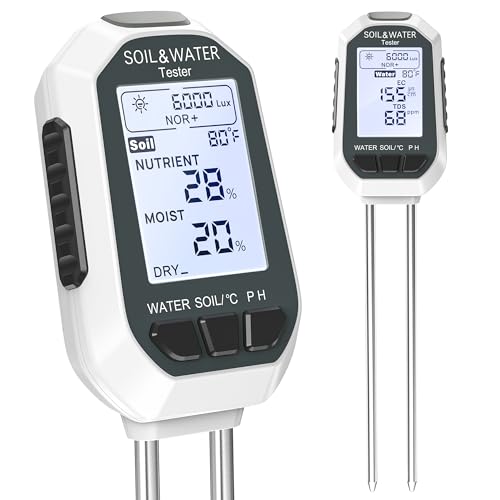
【7-in-1 Features】This is a 7-in-1 multi-function soil tester. Our soil tester quickly measures soil moisture, pH, temperature and light intensity, and its fertility function helps you take better care of your plants. With this device you can measure the soil moisture, pH, temperature and light intensity for your plants and with the EC and TDS functions you will know when it is time to water the soil.

Kindly NOTE: This soil tester can not be applied to test pH value of any other liquid. If the soil is too dry the indicator will not move, and water it before testing.

Quick, at home results for Soil pH, Nitrogen, Phosphorous and Potash Innovative and inexpensive soil test kit features an easy-to-use capsule system and patented color comparators
Optimal Timing for Planting Pear Trees
Understanding the best timing for planting pear trees is crucial for their successful growth in Chicago’s unique climate. This section will explore the ideal seasons and conditions that promote healthy development, ensuring that your pear trees thrive in the urban landscape of the city. Proper timing can significantly impact yield and tree health, making this information essential for local gardeners.
Timing and technique matter when planting pear trees. The best time to plant is in early spring after the last frost. Follow these steps for optimal results:
Choose a sunny location with at least six hours of sunlight.
Dig a hole twice as wide and deep as the root ball.
Place the tree in the hole, ensuring the graft union is above soil level.
Backfill with soil and water thoroughly.
Watering and Fertilizing Techniques for Pear Trees
Proper watering and fertilizing are essential for the health and productivity of pear trees in Chicago’s unique urban environment. Understanding the specific needs of these trees can help ensure they thrive despite the challenges posed by the local climate and soil conditions. This section outlines effective techniques tailored to promote robust growth and fruit development.
Establishing a consistent watering and fertilizing routine is vital for pear tree health. Newly planted trees require more frequent watering until established. Use a balanced fertilizer in early spring to promote growth.
Water deeply once a week during dry spells.
Apply fertilizer according to package instructions.
Mulch around the base to retain moisture and suppress weeds.
Urban Pest Management for Pear Trees
Managing urban pests is crucial for the health of pear trees in Chicago, where environmental factors can exacerbate infestations. Understanding the specific challenges posed by urban settings allows for effective strategies to protect these trees from common pests. This section delves into practical pest management techniques tailored for the unique conditions of the city.
Urban environments can expose pear trees to various pests and diseases. Monitor for common issues like fire blight and aphids. Implement integrated pest management strategies to minimize damage.
Inspect trees regularly for signs of pests.
Prune infected branches to prevent spread.
Use organic pesticides when necessary.
Recommended Products

WEATHER PROTECTION: Help new trees overcome harsh weather conditions and grow strong. Dalen Tree Wrap protects against sun-scalding, heat waves, frost cracks, and dry winter winds that can stunt growth and even kill young trees.

Sturdy Material, Porous and Breathable: our tree wrap is made of jute burlap material. It was light weight so it didn't hurt the plants and keeping them warm saved them from freezing, and dries faster than most wraps after it gets wet so the danger of rotting is broken

Janitorial & Cleaning Supplies
Winter Protection Strategies for Chicago Pear Trees
Chicago’s harsh winters can pose significant challenges for pear trees, making winter protection essential for their survival and health. Understanding effective strategies to shield these trees from freezing temperatures and harsh winds will ensure they thrive in the urban landscape. This section outlines practical measures to safeguard pear trees during the cold months.
Chicago winters can be harsh, making winter care essential for pear trees. Protect trees from extreme cold and wind damage. Use mulch and wrap young trees to insulate roots and trunks.
Apply a thick layer of mulch around the base.
Wrap trunks with burlap for added protection.
Water trees before the ground freezes to ensure hydration.
Common Pear Tree Health Challenges
Pear trees in Chicago face a variety of health challenges due to the urban environment and specific climate conditions. Understanding these common issues is essential for maintaining the vitality of your pear trees, ensuring they thrive despite the stresses of city living. This section explores the most prevalent health concerns and offers insights into effective management strategies.
Understanding common pear tree problems helps maintain their health. Issues may include poor fruit production or leaf discoloration. Identify the root cause and take corrective measures.
| Issue | Possible Cause | Solution |
|---|---|---|
| Poor fruit set | Inadequate pollination | Plant compatible varieties |
| Leaf discoloration | Nutrient deficiency | Test soil and amend as needed |
| Pest infestation | Aphids or scale insects | Apply organic insecticides |
Urban Pear Tree Maintenance Strategies
Maintaining pear trees in Chicago’s unique urban environment requires specific strategies to ensure their health and productivity. Factors such as soil quality, climate conditions, and urban pests can significantly impact growth. This section outlines effective maintenance practices tailored for pear trees thriving in the city’s hardiness zone.
Urban gardening requires adaptation to unique challenges. Regular maintenance, including pruning and monitoring, ensures healthy growth. Stay informed about local pests and diseases to protect your investment.
Planting pear trees in Chicago can yield delicious fruit with proper care and attention. Choose the right variety and follow best practices for soil preparation, planting, and maintenance.
