

Wondering if it’s too late to prune your fruit trees in March? You’re not alone. Many gardeners face this dilemma as spring approaches, unsure of the best time to give their trees some TLC.
Key Takeaways
- Timing is Crucial: Pruning fruit trees is best done during their dormant season, typically late winter to early spring, but some trees can still be pruned in March if bud growth hasn’t started.
- Assess Tree Health: Before pruning, check for dead, diseased, or crowded branches, as these should be prioritized for removal to enhance airflow and sunlight exposure.
- Proper Tools Make a Difference: Use the appropriate tools like pruning shears for small branches, loppers for thicker ones, and saws for larger limbs to ensure clean cuts.
- Know Your Tree Species: Different fruit trees react differently to pruning times; research your specific varieties to determine their ideal pruning windows for optimal health and yield.
- Consider Local Climate: Weather conditions significantly affect the timing of pruning; assess your local climate before making cuts, particularly in variable March weather.
- Alternatives to Heavy Pruning: If unsure, light pruning techniques can be employed to maintain tree health without significant structural changes or stress.
Understanding Fruit Tree Pruning
Pruning fruit trees plays a vital role in their health and productivity. Proper timing ensures effective growth and maximizes fruit yield.
Recommended Products

CLAMPING JAWS – Electric chainsaw tree loppers with innovative jaws that grab and cut wood in one easy motion

Razortooth saw technology removes more material in each pass
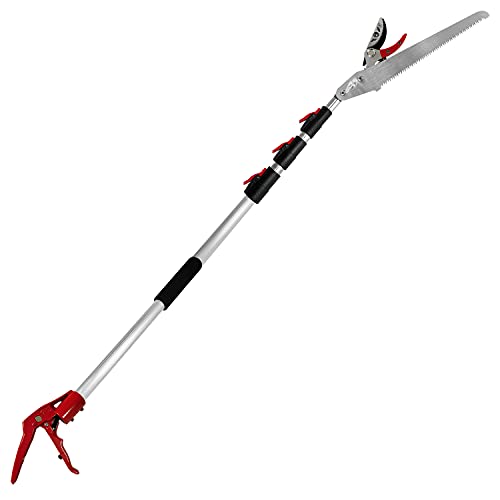
Extendable tree trimmers, with 2-in-1 function for pole saw and pruner, sturdy aluminum alloy rod has 4 sections telescopic adjustment, from 5.4 expand to 14.8 foot, no need to kneel and bend, without ladders, easy to trim twiggy branches, high twigs, young trees, stems or leaves, even harvesting, pick fruits, it stretches easily to reach long distances, dense, tight spots or prickly shrubs for trimming
Benefits of Pruning
- Encourages Growth: Pruning helps focus energy on producing fruit instead of non-productive branches.
- Improves Air Circulation: Thinning out branches enhances airflow, reducing disease risk.
- Shapes Trees: Regular pruning maintains the tree’s shape, making harvesting easier.
Ideal Pruning Time
Most fruit trees benefit from pruning during their dormant season, typically in late winter to early spring. The exact timing can vary based on the tree species and local climate conditions.
Signs It’s Time to Prune
- Dead or Diseased Branches: Inspect for dead or sick branches, which should get removed immediately.
- Crowded Canopy: If branches crowd the center of the tree, it’s time to thin them out.
- Poor Fruit Production: Reduced fruit yield may indicate a need for rejuvenation pruning.
Tools for Pruning
- Pruning Shears: Use these for small branches and delicate cuts.
- Loppers: Best for thicker branches that require more leverage.
- Saw: A hand saw or pole saw works for larger limbs.
Pruning Steps
- Assess the Tree: Look for problem areas before making any cuts.
- Start with Dead Wood: Remove dead, damaged, or diseased branches first.
- Thin Out the Canopy: Trim crowded branches to improve airflow and sunlight exposure.
- Cut at the Right Angle: Aim for a 45-degree angle for cuts to encourage healing.
- Can I still prune if I missed the winter window? Yes, you can prune in early spring before the tree starts budding. Just avoid cutting trees as they enter active growth.
- What if I see flowers? Remove flowers cautiously; they often lead to fruit. Prioritize branch health and overall structure.
Regular pruning not only enhances your tree’s appearance but also boosts its productivity. By understanding the timing and techniques, you ensure a fruitful harvest each year.
Benefits of Pruning Fruit Trees
Pruning fruit trees offers numerous advantages that enhance both the quality of your harvest and the overall vitality of the trees.
Improved Fruit Quality
Improving fruit quality starts with effective pruning techniques. Removing excess branches allows sunlight to reach the fruit, promoting better color and flavor. For example, thinning out crowded areas helps the remaining fruits develop larger sizes and a more uniform ripening period. Consistent pruning also encourages stronger fruit set, leading to less competition for nutrients among the fruits.
Enhanced Tree Health
Enhancing tree health hinges on regular pruning. By cutting away dead or diseased branches, you prevent the spread of pests and diseases that can compromise the tree’s integrity. For instance, pruning encourages airflow, reducing humidity around the foliage and lowering disease risks. Additionally, shaping the tree improves its structure, making it less prone to storm damage. Regularly pruning also fosters new growth, ensuring the tree remains vigorous and productive throughout its lifespan.
Timing Considerations for Pruning
Understanding the right timing for pruning fruit trees is crucial to their health and productivity. Pruning during the appropriate season maximizes the benefits while minimizing risks.
Recommended Products

★ 1. What you get: Professional convenient grafting tool set including a dual-use grafting pruner tool contain 2 extra replaceable blades, a wrench and a screwdriver, along with 36pcs wide rubber bands, 150 thick rubber bands and 1 grafting tape, packed in a black wallet to meet all your needs

IDEAL BRANCH TRIMMER: 28" Steel blade garden bypass lopper that glides through up to 1.5" thick branches for easy cuts; Works well for trimming tree branches to maintain your yard and garden, and to encourage overall plant health and appearance

Package Includes: Come with 24 pieces of fruit branch forms stronger branches. which can be used to pull the branches flat, and fruit trees can absorb sunlight, ventilation and fruitfulness.
Ideal Pruning Seasons
The ideal times for pruning fruit trees typically fall during two main periods:
- Late Winter to Early Spring: This is often the best time, while trees are still dormant. In this period, trees can recover quickly post-pruning, leading to healthier growth.
- Post-Harvest in Late Summer: For some species, another good time for pruning occurs after the harvest season. This allows for shaping and improving airflow before the dormant season.
Timeframes vary by tree species and local climate, so check specific recommendations for your variety. For instance, apple and pear trees benefit from pruning in late winter, while peach trees may be pruned in early spring.
The March Pruning Dilemma
March triggers questions for many gardeners about trees that are just waking up from dormancy. While it’s generally still safe to prune in March, a few factors affect your decision:
- Budding Status: If your trees are starting to bud, excessive pruning can disrupt the growth cycle. Limit your cuts to remove only dead or diseased branches.
- Weather Conditions: Consider your local climate. If colder temperatures still exist, pruning can cause stress on new growth. Wait for more stable weather before making significant cuts.
- Tree Species: Some trees react differently to late pruning. For example, delay pruning for flowering trees until after they bloom to preserve the flowers.
By considering these aspects, you can make informed pruning choices in March. Always remember to assess the tree’s condition and proceed with caution to promote health and yield.
Factors Influencing Pruning Decisions
When deciding whether to prune your fruit trees in March, several factors play a crucial role. Understanding these elements helps you time your pruning more effectively.
Tree Species Variations
Different tree species respond uniquely to pruning at various times. Apple and pear trees typically benefit from pruning during late winter or early spring as they’re dormant. Conversely, stone fruit trees like cherries and peaches should ideally be pruned in late winter, but once buds start to swell, deferring until late spring might be better. Research your specific tree variety to determine its ideal pruning window. Knowing this ensures you maximize health and fruit yield.
Climate and Weather Effects
Local climate and weather patterns significantly impact the success of your pruning efforts. In warmer regions, trees may bud earlier, making March pruning risky if growth has already started. Conversely, late frosts in colder climates can harm new growth, so pruning during March may still be viable if your trees haven’t begun to leaf out. Pay attention to local weather forecasts and seasonal trends to make informed decisions about when to prune. Observing your trees and understanding your climate helps create an appropriate pruning plan, avoiding potential damage from unexpected weather events.
Alternatives to Pruning in March
If you’re unsure about pruning your fruit trees in March, several alternatives can support their health and growth.
Light Pruning Techniques
Light pruning focuses on removing only a few branches without significantly altering the tree’s structure. This method encourages airflow and sunlight without stressing the tree.
- Remove Dead or Diseased Branches: Start by cutting out any branches that show signs of disease or decay. This helps prevent the spread of pests and allows the tree to redirect its energy to healthy areas.
- Thin Crowded Areas: Target branches that cross or rub against each other. By selectively thinning these, you improve overall air circulation, reducing humidity levels that can lead to disease.
- Shape the Tree: Consider shaping the tree for better light penetration. This involves trimming back excessive growth on the outer canopy while maintaining the overall structure. Such an approach promotes a balanced shape without heavy pruning.
Postponing Until Later
Postponing pruning until later can be beneficial. If your trees are budding or if local weather conditions are unpredictable, waiting may be wise.
- Observe Budding Status: Check the status of buds. If they’re beginning to swell, it’s better to hold off until later in the season. Pruning during this time can cause stress and affect fruit production.
- Consider Weather Patterns: Monitor local temperatures. If late frosts are expected, postponing pruning helps ensure new growth isn’t damaged.
- Plan for Early Summer Pruning: If you defer pruning, consider scheduling it for early summer. This timing allows you to make necessary cuts after flowering, promoting healthy growth without disrupting the tree’s natural cycle.
By implementing these alternatives, you can effectively manage your fruit trees’ health and productivity this March.
Conclusion
Pruning your fruit trees in March can still be a viable option if you pay attention to their condition and local weather. You don’t have to worry too much as long as you avoid excessive cuts and keep an eye on budding. Light pruning can help maintain your trees’ health without stressing them too much.
Remember that it’s all about finding the right balance. If you’re uncertain about timing, consider waiting or opting for lighter pruning methods. Your trees will thank you for the care you give them, and you’ll enjoy a fruitful harvest in the seasons to come. Happy gardening!
Frequently Asked Questions
Is it too late to prune fruit trees in March?
It’s generally not too late to prune fruit trees in March. However, careful consideration of the tree’s budding status and local weather conditions is essential. If trees are just beginning to bud, it’s best to avoid heavy pruning to prevent disrupting growth.
What are the signs that it’s time to prune fruit trees?
Look for dead or diseased branches, a crowded canopy, and poor fruit production as indicators that it’s time to prune. These signs suggest that the tree needs attention to improve its health and productivity.
What are the benefits of pruning fruit trees?
Pruning improves fruit quality, enhances tree health, and encourages better air circulation. It allows sunlight to reach the fruit, leading to improved color and flavor, while also maintaining tree structure and reducing the risk of pest spread.
When is the ideal time to prune fruit trees?
The best time to prune fruit trees is during the dormant season, typically between late winter and early spring. This timing helps the tree heal more effectively and promotes vigorous growth in the upcoming season.
What pruning techniques should I use?
Start with removing dead or diseased wood, and then thin out crowded areas. Make cuts at a slight angle to encourage healthy regrowth. These techniques will help shape the tree and improve air circulation around branches.
Can I prune my trees if they’re budding?
If your trees are budding, it’s better to postpone heavy pruning. Light pruning, such as removing dead branches, is acceptable, but significant cuts can harm emerging growth. Monitor your trees closely during this time.
What should I do if I’m unsure about pruning in March?
If you’re unsure, consider postponing pruning until after the flowering season or performing light pruning. You can also plan for early summer pruning, which helps promote healthy growth without risking damage to the buds.
