

Have you ever watched a hailstorm wreak havoc on your beloved fruit trees? It’s a heart-wrenching sight, especially when you’ve invested so much time and care into nurturing them. Hail can cause serious damage, leaving you wondering how to keep your trees safe from nature’s fury.
In this article, you’ll discover practical strategies to shield your fruit trees from hail damage. Whether you’re a seasoned gardener or just starting out, these tips will help you protect your trees and ensure a bountiful harvest. With a little preparation, you can enjoy the fruits of your labor without the worry of unpredictable weather.
Key Takeaways
- Hail Damage Awareness: Understand the various ways hail can harm fruit trees, including leaf disruption, fruit impact, and branch breakage, which can severely affect yield and tree health.
- Risk Factors: Recognize factors influencing the severity of hail damage, such as hailstone size, tree age and health, development stage, and storm duration, to better assess potential risks.
- Proactive Location Choices: Plant fruit trees in sheltered areas, considering slope orientation and spacing to minimize exposure to hail impacts and enhance recovery.
- Effective Protective Measures: Utilize protective covers like floating row covers and netting to shield trees from hail, and consider building temporary structures for added protection during severe storms.
- Post-Storm Recovery Strategies: Assess hail damage immediately and take steps like pruning damaged branches, maintaining proper watering, applying mulch, and monitoring for pests to facilitate effective recovery.
- Long-Term Health Preservation: Implement ongoing protection strategies, such as supported netting, to prevent future hail damage and ensure your fruit trees remain healthy and productive.
Importance Of Protecting Fruit Trees
Protecting fruit trees from hail is crucial for maintaining both yield and quality. Hail damage can severely impact fruit development and tree health. Broken branches, damaged leaves, and bruised fruits can lead to reduced harvests.
Hail can create significant economic loss. A single storm can destroy months of care and investment in your orchard. By safeguarding trees, you preserve your time and financial resources.
Healthy trees also contribute to a balanced ecosystem. They provide habitat for wildlife and improve air quality. Protecting them from hail helps maintain this beneficial environment.
You can reduce the potential damage using various protective methods. Covering trees with physical barriers, like nets, acts as a first line of defense. These nets can absorb impact and prevent fruits from becoming damaged.
With the right strategies, you can ensure your trees thrive despite unpredictable weather. Proactive measures today lead to better outcomes during future storms.
Understanding Hail Damage
Hailstorms pose significant threats to fruit trees, affecting both yield and tree health. Understanding hail damage helps you prepare effectively.
Recommended Products

Effective Pest Protection: Designed with a dense fine mesh and tight weave, keeps insects, birds, and small animals away from your fruits and vegetables, prevents them eating and damaging your fruit

Protect Your Vegetables and Fruits: LCHUANG Garden Netting is great for orchards, greenhouses, gardens, nurseries, patios, and shrubs. This Bird Netting with a zipper can protect blueberries, tomatoes, trees, fruits, flowers, vegetables, and potted plants from insects, birds, and bugs, which helps the plants grow normally.

Large Size: You will receive 1pcs tree netting cover with zipper and drawstring. The size is 9 ft x 10 ft, making it fit large blueberry bushes and fruit trees.It is large enough to cover a variety of plants, including fruit trees, flower trees, blueberry bushes, citrus, shrubs, and more. Please check the size before purchasing to ensure proper fit
Effects Of Hail On Fruit Trees
Hail causes physical damage to fruit trees in several ways:
- Leaf Disruption: Hail can tear or bruise leaves, reducing photosynthesis and overall tree vigor.
- Fruit Impact: Direct hits from hailstones can mar fruit, making them unsellable or prone to rot.
- Branch Breakage: Larger stones can break branches, inhibiting tree growth and leading to long-term health issues.
- Wound Entry: Damage creates openings for pests and diseases, increasing vulnerability.
These effects can lead to reduced harvests and a decline in tree health over time.
Factors Influencing Damage Severity
Several factors influence how severely hail affects your fruit trees:
- Size of Hailstones: Larger stones yield more damage. Stones measuring 1 inch or more can cause significant harm.
- Tree Age and Health: Younger or weakened trees may suffer more than established, healthy ones due to less robust structures.
- Development Stage: Trees in bloom or bearing fruit are more vulnerable. Hail during these stages can severely impact production.
- Storm Duration: Prolonged storms may inflict more damage. Several minutes of heavy hail can lead to substantial injury.
- Location and Terrain: Trees in open areas face greater exposure to hail than those shielded by taller structures or other trees.
Understanding these factors allows you to assess risks and implement protective measures effectively.
Preventative Measures For Hail Protection
Protecting your fruit trees from hail requires proactive strategies. Implementing the right measures can significantly reduce damage during storms.
Recommended Products

STRONG TREE PROTECTION: 3 large 8×8 ft nets provide full coverage for medium to large fruit trees, effectively protecting fruits from birds, insects, squirrels and other pests. Minimizes gaps to ensure reliable, all-around fruit protection.
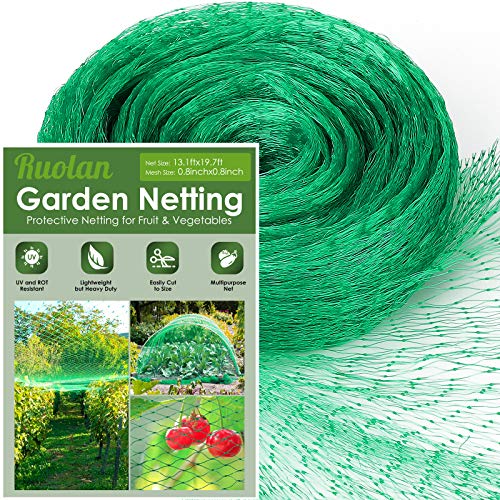
【Perfect size】(Garden Netting size 13ftX20ft, Mesh Size 0.8inchX0.8inch), Protect fruit tree plant blueberry strawberry from animals

【Quality Material】Made of sturdy fabric and PE material, the bird barrier netting mesh is lightweight and durable, providing a good growth condition for the plants with its tightness feature.
Choosing The Right Location
Selecting an optimal location for planting fruit trees plays a crucial role in hail protection. Here are key factors to consider:
- Sheltered Areas: Plant trees near buildings or natural windbreaks like hedges or taller trees to shield against direct hail impacts.
- Slope Orientation: Consider slopes that direct storm winds upward, as these can disperse hail and lessen contact with your trees.
- Spacing: Avoid overcrowding trees; allow sufficient space for air circulation. This helps mitigate moisture buildup, reducing fungal diseases that can follow hail damage.
Protective Covers And Netting
Using protective covers and netting is an effective way to shield fruit trees from hail. Here’s how to implement these strategies:
- Floating Row Covers: Use lightweight fabric to cover young trees. Opt for materials that allow light and moisture to penetrate while providing solid protection.
- Netting: Install bird netting or specially designed hail nets around your trees. Secure the netting with stakes to prevent it from being blown away. Ensure the netting is taut to avoid contact with branches.
- Temporary Structures: Build temporary frames using PVC pipes or wood to support heavier covers during intense storms. Make sure to dismantle them after the threat passes to avoid damage to the trees.
By assessing location and utilizing protective covers, you can effectively minimize hail damage to your fruit trees and maintain their health and productivity.
Post-Hail Recovery Strategies
Post-hail recovery involves assessing damage and mitigating long-term effects on your fruit trees. Implementing these strategies ensures trees heal effectively and return to productive health.
Assessing Damage
Assess damage immediately after a hailstorm. Look for broken branches, bruised fruits, and torn leaves. Prune any severely damaged branches to prevent disease spread. Evaluate the overall structure of the tree; a healthy trunk and remaining branches indicate a better chance of recovery. Document the extent of damage with photos to track changes over time. You can take the following steps for thorough assessment:
- Examine branches for fractures: Identify split or broken branches requiring removal.
- Check leaves for tears: Remove any heavily damaged leaves; this helps the tree focus on recovery.
- Inspect fruits for bruising: Harvest damaged fruit early to prevent rot.
Mitigating Long-Term Effects
Mitigating long-term effects centers on supporting the recovery process. Implement the following strategies to help your trees bounce back:
- Provide proper water: Ensure consistent watering to boost tree recovery. Avoid overwatering, which can lead to root issues.
- Apply mulch: Spread organic mulch around the base to retain moisture and suppress weeds.
- Fertilize cautiously: After a few weeks, apply a balanced fertilizer to help rejuvenate growth, but avoid high nitrogen formulas, as they’ll stress the trees.
- Monitor pests: Keep an eye out for pests that might take advantage of weakened trees. Use insecticidal soap or organic controls if pests appear.
- Protect against further damage: Use supported netting or temporary barriers during future storms to shield trees from additional harm.
By assessing the damage and taking steps to mitigate long-term effects, you enhance your trees’ chances of thriving after a hailstorm. These proactive measures support healthy growth and productive yields for seasons to come.
Conclusion
Protecting your fruit trees from hail isn’t just about saving your harvest; it’s about nurturing the life you’ve cultivated. By taking proactive steps and using effective protective measures you can significantly reduce the risk of damage.
Remember to assess your trees’ locations and choose the right covers to shield them during storms. After a hail event evaluate any damage and take swift action to ensure your trees bounce back.
With a little preparation and care you can keep your trees healthy and productive for years to come. Enjoy the process of gardening and the rewards that come with it. Happy gardening!
Frequently Asked Questions
What are the main challenges hailstorms pose to fruit trees?
Hailstorms can cause severe damage to fruit trees, disrupting leaves, bruising fruit, breaking branches, and weakening tree health. This can lead to reduced yields and increased vulnerability to pests and diseases.
How can I protect my fruit trees from hail damage?
Effective protection methods include covering trees with nets or lightweight fabric, choosing sheltered planting locations, and providing adequate spacing. These proactive strategies help minimize hail damage and promote tree health.
What factors influence the severity of hail damage to fruit trees?
Factors include hailstone size, tree age and health, fruit development stage, storm duration, and tree location. Understanding these elements helps assess risks and implement protective measures effectively.
What should I do immediately after a hailstorm hits my fruit trees?
Assess the damage by checking for broken branches, bruised fruits, and torn leaves. Prune severely damaged branches to prevent disease spread, and provide proper watering to support recovery.
How can I promote recovery of my fruit trees after hail damage?
To aid recovery, apply mulch, cautiously fertilize, and monitor for pests. Use protective barriers during future storms to shield trees and enhance their chances of thriving long-term.
