

Have you ever dreamed of plucking fresh lychees straight from your own backyard? Growing a lychee fruit tree might seem like a challenge, but it’s easier than you think. With the right guidance, you can enjoy the sweet, fragrant fruits that make summer so special.
Key Takeaways
- Growing Environment: Lychee fruit trees thrive in warm, tropical climates with temperatures consistently above 50°F (10°C) and require 6-8 hours of sunlight daily for optimal growth and fruit production.
- Soil Requirements: Use well-drained sandy loam soil with a pH between 5.5 and 7.0 to promote healthy root development and ensure adequate moisture retention without waterlogging.
- Watering and Fertilization: Maintain consistent soil moisture through regular watering, especially during dry spells, and fertilize three times a year with a balanced fertilizer for robust growth.
- Pruning Techniques: Prune annually in early spring to remove dead or overcrowded branches, improve airflow, and encourage bushier growth for better fruit production.
- Pest and Disease Management: Regularly inspect your lychee tree for common pests like lychee mites and scale insects, and manage diseases such as powdery mildew through prevention and early treatment.
- Harvesting Tips: Pick lychees when they turn bright red and yield slightly to pressure. Use garden shears to cut the stems carefully and store harvested fruit in a cool, ventilated area for optimal freshness.
Understanding Lychee Fruit Trees
Lychee fruit trees (Litchi chinensis) thrive in warm, tropical climates. They need consistent temperatures above 50°F (10°C) for optimal growth.
Growth Requirements
- Soil: Prefer well-drained, sandy loam soil with a pH of 5.5 to 7.0. Aerated soil promotes healthy root development.
- Water: Require regular watering, particularly during dry periods. Soil should remain moist, but avoid waterlogging.
- Sunlight: Need full sun for at least 6-8 hours daily. Providing ample sunlight boosts fruit production.
Tree Characteristics
- Size: Typically grow 30-40 feet (9-12 meters) tall. Control height with pruning to manage space.
- Flowers: Produce fragrant flowers in spring, attracting pollinators. These flowers are crucial for fruit development.
- Fruit: Harvest ripe lychees in late spring to summer. Clusters of bright red fruits signal readiness for picking.
Common Varieties
- Brewster: Known for its large, sweet fruit. Popular in the United States.
- Hak Ip: Features small, aromatic lychees with a slightly tart taste.
- Sweetheart: Offers a smooth texture and exceptional sweetness.
Planting Tips
- Timing: Plant in spring after the last frost. This timing aligns with the tree’s natural growth cycle.
- Spacing: Space trees 20-30 feet (6-9 meters) apart for adequate airflow and sunlight access.
- Type: Use a balanced fertilizer, like 10-10-10, during the growing season. This ensures sufficient nutrients.
- Frequency: Fertilize three times a year: early spring, mid-summer, and late summer.
By understanding these key aspects, you can successfully grow and nurture your lychee fruit tree.
Choosing the Right Location
Selecting the right location for your lychee fruit tree is crucial. It influences growth, fruit production, and overall tree health.
Sunlight Requirements
Lychee trees thrive in full sunlight. Aim for at least 6-8 hours of direct sunlight each day. A sunny location encourages blooming and increases fruit yield. If possible, choose a spot that receives morning sun, as this helps warm the tree and reduce frost risks. Avoid shaded areas created by buildings, other trees, or structures, as they can stunt growth.
Soil Conditions
Soil conditions significantly impact lychee tree health. Opt for well-drained, sandy loam soil with a pH between 5.5 and 7.0. This soil type allows for ample drainage while retaining necessary moisture. Before planting, check the soil’s drainage by digging a small hole and filling it with water. If the water drains quickly, that’s ideal. If it pools, consider amending the soil with organic matter or selecting a different location. Regularly monitor soil moisture; it should always feel moist but not soggy.
Planting Your Lychee Tree
Planting your lychee tree is a rewarding step towards enjoying delicious fruit. Follow these guidelines for successful growth.
Recommended Products

Graphene Seed Heat Mat for Faster Germination: Compared to traditional electric heating mats, our graphene heat mat heats up faster and more evenly, with a built-in timer for convenience. It creates the ideal environment for indoor seed starting trays, greenhouse seed germination, and hydroponic plant propagation. Designed for indoor gardening, this waterproof and reusable heat mat accelerates growth and improves seedling survival rates.
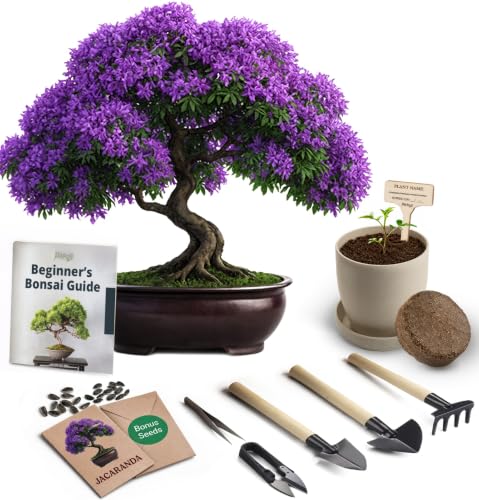
FREE EXTRA SEEDS!! Avergo’s bonsai starter kit comes with 2 additional seed packets just in case you’ll need more

EVERYTHING YOU NEED, NOTHING ELSE TO BUY — This complete bonsai starter kit includes a premium plant pot, 4 biodegradable grow pots, expanding soil discs, hand-selected bonsai tree seeds, bonsai pruning scissors, wooden plant markers, and a full step-by-step instruction booklet. Open the box and start growing the same day.
Germination from Seed
Germinating lychee seeds requires specific conditions. Begin by selecting fresh seeds from a ripe lychee fruit.
- Soak Seeds: Soak the seeds in water for 24 hours to enhance germination.
- Prepare Soil: Use a well-draining potting mix, ideally sandy loam with a pH between 5.5 and 7.0.
- Plant Seeds: Plant the seeds in small pots about 1 inch deep, and ensure they’re spaced at least 2 inches apart.
- Water Adequately: Keep the soil moist but not overly saturated. Check daily for moisture.
- Provide Heat and Light: Place the pots in a warm, sunny location where they receive at least 6-8 hours of sunlight daily.
You should see sprouts in about 2-4 weeks, depending on the temperature and conditions.
Transplanting Seedlings
Once your seedlings reach about 6 inches tall, it’s time to transplant them into your garden or larger pots.
- Choose a Location: Select a site with full sun exposure and well-drained soil. Avoid low spots that collect water.
- Prepare the Hole: Dig a hole that’s twice as wide and deep as the root ball of your seedling.
- Remove the Seedling from Pot: Gently take out the seedling, taking care to preserve its roots.
- Place in Hole: Position the seedling in the center of the hole. The top of the root ball should sit level with the surrounding soil surface.
- Backfill the Hole: Fill in around the roots with soil, packing it lightly to eliminate air pockets.
- Water Thoroughly: Give the tree a good watering to help settle the soil around the roots.
After transplanting, monitor your tree closely. Continue regular watering to maintain moisture, especially during the first few months. Remember, the right conditions now set the foundation for a healthy lychee tree and fruitful harvests later on.
Care and Maintenance
Caring for your lychee fruit tree involves consistent attention to watering, fertilization, and pruning. Each plays a vital role in ensuring healthy growth and abundant fruit production.
Recommended Products

LASTING COLOR: Miracle-Gro Tree & Shrub Plant Food Spikes are fertilizer spikes for trees and shrubs; they promote vibrant color and foliage for trees and shrubs in your yard

4-Hole Side Design: This high-performance tree watering spike makes it easy to deliver water and fertilizer directly to the root zone. The upgraded side-hole design helps improve watering efficiency, while the sharp tip makes it easy to push into hard or compact soil. The 4 side outlets help reduce clogging and distribute water more evenly for deep root watering and feeding.

Supports Flowering & Fruit Production – Helps encourage strong flowering, fruit set, and consistent guava development.
Watering Guidelines
Water your lychee tree regularly to maintain soil moisture without creating waterlogged conditions. Aim for deep watering once a week, especially during dry spells. Ensure the soil remains consistently moist but not soggy. During the first year after planting, increase watering frequency during hot weather to support root establishment. Consider using mulch around the base to retain moisture and regulate temperature.
Fertilization Tips
Fertilize your lychee tree three times a year to promote healthy growth. Use a balanced fertilizer with an N-P-K ratio of 10-10-10 or 8-3-9. Apply the first dose in early spring as new growth begins. The second application should occur in mid-summer, and the final one in late summer before the tree enters dormancy. Apply fertilizer evenly around the base, avoiding direct contact with the trunk, and water thoroughly after applying to help nutrients absorb into the soil.
Pruning Techniques
Prune your lychee tree annually in early spring before new growth starts. Focus on removing dead or overcrowded branches to improve airflow and sunlight penetration. Trim back limbs that grow inward towards the center of the tree. If you desire a more compact tree, selectively cut longer branches. This encourages bushier growth and improves fruit production. Always use sharp, clean tools to prevent disease spread and protect your tree’s health.
Dealing with Pests and Diseases
Dealing with pests and diseases is essential for the health of your lychee fruit tree. Recognizing problems early prevents damage and promotes vigorous growth.
Recommended Products

PLANT DISEASE CONTROL: Natria Neem Oil acts as an insecticide and fungicide in one convenient spray; Ready-to-use trigger sprayer requires no mixing


ADVANCED FORMULA: Emulsifiers built into the formula so you just add water. 100% pure oils require an emulsifier to allow oil and water to mix. Nature's IQ has this already built in so you just add water.
Common Pests
Common pests include:
- Lychee Mite: This tiny mite causes discolored leaves. Spray neem oil or insecticidal soap to control it.
- Scale Insects: These pests appear as small bumps on stems and leaves. Use horticultural oil to suffocate them.
- Fruit Flies: They lay eggs in fruit, which leads to decay. Hang traps or use insecticides specifically designed for fruit flies.
- Caterpillars: They can chew through leaves and fruits. Handpicking or using Bacillus thuringiensis (Bt) can help eliminate them.
Regularly inspect your tree for early signs of these pests. Monitoring enables swift action when issues arise.
Disease Management
Effective disease management is crucial to keep your lychee tree healthy. Focus on prevention and early treatment.
- Powdery Mildew: Keep humidity levels low. Ensure good air circulation and apply fungicides if needed.
- Root Rot: This occurs in poorly drained soil. Use well-drained soil and avoid overwatering to prevent it.
- Anthracnose: This fungal disease affects fruits and leaves. Prune affected areas and apply fungicides as a preventive measure.
Proper care, including regular pruning and maintaining proper watering techniques, supports the overall health of your tree and reduces susceptibility to diseases. Always monitor soil moisture and act quickly if issues arise.
Harvesting Lychee Fruit
Harvesting lychee fruit involves recognizing the optimal time for picking and understanding proper techniques to ensure the best yield. With attention to detail, you’ll enjoy delicious, fresh lychees from your own tree.
When to Harvest
Harvest lychee fruit when it’s fully ripe. Look for bright red color and a slight give when gently squeezed. Typically, lychees reach peak ripeness in late spring to summer. The specific timing may vary based on the variety and your local climate. Monitor trees closely as they can ripen quickly, often within days.
How to Harvest
Harvest lychee fruit carefully to prevent damage. Follow these steps:
- Gather Tools: Use a pair of garden shears or scissors to avoid crushing the fruit.
- Check for Ripeness: Inspect clusters for color and firmness as mentioned above.
- Cut the Stems: Carefully cut the stems about an inch from the fruit. Avoid pulling the fruit directly; this can damage the tree and remaining fruit.
- Place in Containers: Gather harvested lychees in soft, ventilated containers to prevent bruising. Use shallow baskets or crates.
- Store Properly: Keep lychees in a cool, dry place and consume them within a few days for the best flavor. Refrigerating can extend freshness for a week, but do not freeze them.
By following these guidelines, you’ll efficiently harvest your lychee fruit and savor the sweet rewards of your hard work.
Conclusion
Growing a lychee fruit tree can be a rewarding experience that brings delicious fruit right to your backyard. With a little patience and care you’ll be well on your way to enjoying sweet lychees during the summer months.
Remember to choose the right location and soil conditions for your tree to thrive. Regular maintenance like watering and pruning will keep it healthy and productive.
So go ahead and take the plunge into lychee cultivation. You’ll not only enjoy the beauty of the tree but also the joy of harvesting those vibrant fruits. Happy gardening!
Frequently Asked Questions
What climate is ideal for growing lychee trees?
Lychee trees thrive in warm, tropical climates with consistent temperatures above 50°F (10°C). They require full sunlight and should be protected from frost for optimal growth.
How tall do lychee trees grow?
Lychee trees typically grow between 30 to 40 feet tall. Proper care and maintenance can help them reach their maximum height and produce more fruit.
What soil conditions are best for lychee trees?
Lychee trees prefer well-drained, sandy loam soil with a pH of 5.5 to 7.0. Good drainage is crucial to prevent root rot and promote healthy growth.
When should I plant a lychee tree?
It’s best to plant lychee trees in spring after the last frost. This timing allows the tree to establish roots and thrive during the warm growing season.
How often should I water my lychee tree?
Water your lychee tree deeply once a week, ensuring the soil stays moist but not soggy. Using mulch can help retain moisture and improve soil conditions.
What are common pests that affect lychee trees?
Common pests include lychee mites, scale insects, fruit flies, and caterpillars. Effective control methods include using neem oil and handpicking pests.
How do I know when to harvest lychee fruit?
Lychee fruits are ready to harvest when they turn bright red and feel slightly soft when squeezed. Harvesting at this stage ensures the best flavor.
Are there specific fertilization tips for lychee trees?
Apply a balanced fertilizer three times a year—during spring, summer, and early fall—to promote healthy growth and fruit production for your lychee tree.
How should I prune my lychee tree?
Prune your lychee tree annually in early spring to improve airflow and encourage bushier growth. Use sharp, clean tools to maintain the tree’s health.
What should I do if my lychee tree has diseases?
For diseases like powdery mildew and root rot, ensure proper drainage and maintain low humidity. Promptly remove affected areas and consider preventive measures to protect the tree.
