

Growing olive trees in New Hampshire is feasible with the right techniques. Proper selection of hardy varieties and protective measures can ensure successful cultivation in this northern climate.
Hardy Olive Tree Varieties for New Hampshire
Choosing the right olive tree variety is crucial for successful growth in New Hampshire. Varieties like Arbequina and Frantoio are known for their cold tolerance and adaptability. These trees can survive temperatures down to 15°F, making them suitable for northern climates.
Factors to consider when selecting varieties include:
Cold hardiness
Disease resistance
Growth habits
Northern Hardy Olive Varieties for New Hampshire
Growing olive trees in New Hampshire presents unique challenges due to the region’s cold climate. However, certain northern hardy olive varieties have adapted well, allowing enthusiasts to cultivate these trees successfully. This section explores the best options for gardeners looking to enjoy olives in the Granite State.
Here are some recommended varieties for northern climates:
| Variety | Cold Hardiness | Growth Habit | Oil Quality |
|---|---|---|---|
| Arbequina | 15°F | Compact | High |
| Frantoio | 15°F | Spreading | Medium |
| Koroneiki | 20°F | Upright | High |
| Leccino | 15°F | Spreading | Medium |
Soil Preparation for Healthy Olive Trees
Preparing the soil is crucial for successfully cultivating olive trees in New Hampshire’s unique climate. The right soil conditions can enhance growth and yield, ensuring that these Mediterranean plants thrive despite the northern challenges. This section will outline essential steps for soil preparation to create an optimal environment for your olive trees.
Soil preparation is essential for the health of your olive trees. They prefer well-draining soil with a pH between 6.0 and 8.0. Test your soil to determine its pH and nutrient levels.
Steps to prepare the soil include:
Test soil pH and nutrient levels
Amend with lime to raise pH if necessary
Incorporate organic matter for improved drainage
Optimal Soil Amendments for Olive Trees
To successfully cultivate olive trees in New Hampshire, understanding the right soil amendments is crucial. The unique climate and soil conditions of the region require specific strategies to enhance soil health and promote optimal growth. This section delves into the best amendments to support the thriving of olive trees in northern environments.
Consider these amendments for optimal growth:
| Amendment | Purpose |
|---|---|
| Lime | Raises pH |
| Compost | Improves drainage and nutrients |
| Sand | Enhances drainage |
Best Practices for Planting Olive Trees
Planting olive trees in New Hampshire requires careful consideration of the local climate and soil conditions. By following best practices tailored to the region’s unique challenges, gardeners can increase their chances of successfully cultivating these Mediterranean favorites. Understanding the right techniques and timing is essential for thriving olive trees in a northern environment.
Timing and technique are critical when planting olive trees. The best time to plant is in the spring after the last frost. Ensure you choose a sunny location with protection from harsh winds.
Steps to plant include:
Dig a hole twice the width of the root ball
Place the tree in the hole and backfill with soil
Water thoroughly to eliminate air pockets
Successful Olive Tree Planting Strategies
Successfully planting olive trees in New Hampshire requires careful consideration of the region’s unique climate and soil conditions. Understanding the best practices for cultivation can help ensure that these Mediterranean trees thrive despite the challenges posed by northern winters. This section outlines effective strategies for planting and nurturing olive trees in this less-than-ideal environment.
Keep these tips in mind for successful planting:
Space trees 10 to 15 feet apart for air circulation
Mulch around the base to retain moisture
Protect young trees with burlap during winter
Winter Protection Strategies for Olive Trees
Olive trees, though typically associated with warmer climates, can thrive in New Hampshire with proper care. As winter approaches, implementing effective protection strategies is crucial to ensure their survival and health during the colder months. This section explores various methods to safeguard olive trees against harsh winter conditions.
Winter protection is vital for the survival of olive trees in New Hampshire. Use strategies to shield them from extreme cold and ice.
Consider these protective measures:
Wrap trunks with burlap for insulation
Use mulch to insulate roots
Construct windbreaks to reduce exposure
Recommended Products

High-Quality and Durable:Our high-quality thick non-slip felt tree wrap with stable fastening. And built-in 2 guide loops hold webbing or rope in place for much easier set ups, especially if you are setting up your slackline, zipline or hammock alone

🌲 COMPLETE TREE PROTECTION KIT - Get 2 roll of 4-inch tree wrap for damaged bark (100 feet long) + 1 rolls fixing tape. Perfect for multiple uses: Wrap peach trees, persimmon trees, citrus trees, apple trees, saplings, shrubs, and garden trees. Maintains root moisture with breathable design that conforms to bark texture.
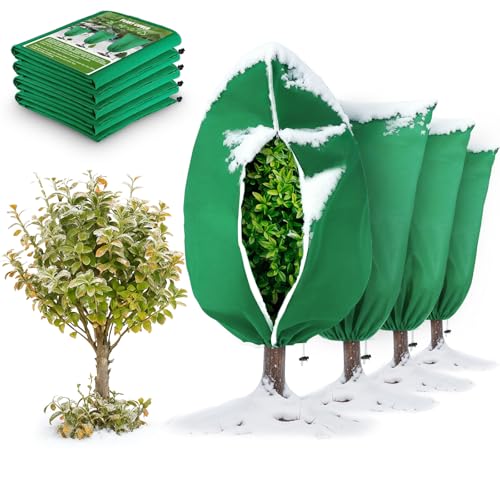
All-in-One Frost Protection Set Comes with 6 plant covers in 3 different sizes – 23.6x31.5", 31.5x47.2", and 47.2x70.9". Perfect for protecting small potted plants, medium bushes, and tall shrubs all at once.
Winter Care Essentials for Olive Trees
Caring for olive trees in New Hampshire requires special attention during the winter months. As these trees are not naturally suited to harsh northern climates, understanding essential winter care practices is crucial for their survival and health. This section outlines key strategies to protect olive trees from cold temperatures and ensure they thrive year-round.
Here’s a checklist for winter care:
| Task | Description |
|---|---|
| Wrap trunks | Insulates against cold |
| Apply mulch | Retains soil warmth |
| Monitor moisture | Ensure adequate hydration |
Year-Round Olive Tree Care Strategies
Caring for olive trees in New Hampshire requires a tailored approach due to the region’s unique climate challenges. This section outlines effective year-round strategies to ensure these Mediterranean trees thrive despite cold winters and fluctuating temperatures. By implementing these care techniques, you can foster healthy growth and maximize the potential of your olive trees.
Year-round maintenance is essential for healthy olive trees. Regular watering, pruning, and pest management are key components of care.
Steps for maintenance include:
Water during dry spells, especially in summer
Prune annually to promote air circulation
Inspect for pests and diseases regularly
Recommended Products

Multifunctional: The Tree Wrap offers immediate protection for trees. When wrapped around a tree trunk, this protector prevents insects from burrowing under the bark to lay eggs, effectively stopping cicadas and other pests from finding nesting sites. It acts as a tree bandage, aiding in the repair of bark and promoting the tree's recovery. This tree wraps to protect bark also safeguards the tree's epidermis, preventing damage caused by lawn care equipment such as mowers and trimmers.

Sturdy Material, Porous and Breathable: our tree wrap is made of jute burlap material. It was light weight so it didn't hurt the plants and keeping them warm saved them from freezing, and dries faster than most wraps after it gets wet so the danger of rotting is broken

Upgrade Materials: The tree wrap is made of eco-friendly and biodegradable non-woven fabric. It fits snugly around any tree, mimicking its shape and bark texture, while also ensuring excellent breathability. This allows the tree to breathe freely and promote healthy growth. The tree protector is highly durable, providing long-lasting protection for trees.The tree trunk wrap won't impede tree growth and will facilitate gardening efforts by naturally decomposing over time.
Olive Tree Care in Northern Climates
Caring for olive trees in northern climates like New Hampshire presents unique challenges due to colder temperatures and shorter growing seasons. Understanding the specific needs of these trees, from soil requirements to winter protection, is essential for successful cultivation. This section delves into practical strategies for maintaining healthy olive trees despite the region’s harsh conditions.
Consider these tips for effective maintenance:
Water deeply but infrequently
Use organic fertilizers to promote growth
Remove any dead or diseased branches promptly
Olive Tree Cultivation Strategies for New Hampshire
Cultivating olive trees in New Hampshire presents unique challenges due to the region’s cold climate. However, with the right strategies and techniques, it is possible to successfully grow these Mediterranean plants. This section explores effective methods for olive tree cultivation tailored specifically for New Hampshire’s northern conditions.
Growing olive trees in New Hampshire is achievable with careful planning and proper techniques. Select hardy varieties, prepare the soil, and implement protective measures to ensure a thriving orchard.
