

Have you ever wondered how long it takes for a papaya tree to bear fruit? If you’ve planted one or are thinking about adding this tropical beauty to your garden, you’re not alone in your curiosity. Growing your own papayas can be exciting, but knowing what to expect can make all the difference.
This article will guide you through the timeline of papaya tree growth and fruit production. You’ll learn about the factors that influence how quickly your tree will produce delicious fruit. By the end, you’ll feel more confident in your gardening journey and ready to enjoy the sweet rewards of your hard work.
Key Takeaways
- Germination Duration: Papaya seeds typically germinate in 2 to 3 weeks under optimal conditions, which include moist, well-draining soil and temperatures between 70°F and 90°F.
- Growth Phase Timeline: After germination, papaya saplings enter a growth phase lasting 6 to 18 months, depending on the variety, with the potential to reach heights of up to 10 feet.
- Variety Matters: Different papaya varieties influence fruit production timelines; ‘Solo’ papayas produce fruit in about 6 to 12 months, while ‘Maradol’ may take 12 to 18 months.
- Optimal Growing Conditions: Essential factors for successful fruit production include well-draining nutrient-rich soil, at least 6 to 8 hours of direct sunlight, and consistent watering without waterlogging.
- Maintenance Tips: Regularly water and fertilize your papaya tree, prune dead leaves, apply mulch, and monitor for pests to ensure healthy growth and fruit production.
- Seasonal Impact: Planting your papaya tree at the beginning of the warm season can significantly enhance its growth and fruiting ability, as warmer climates often lead to quicker fruit production.
Life Cycle of a Papaya Tree
Understanding the life cycle of a papaya tree can help you anticipate when it might start producing fruit. The growth process includes several key stages.
Germination Stage
Germination starts when you plant papaya seeds. It typically takes 2 to 3 weeks for seeds to sprout. Keep the soil moist but not soggy, and ensure it has good drainage. Germination occurs optimally at temperatures between 70°F and 90°F. You can use a seedling tray or pots to provide a controlled environment.
Growth Phase
The growth phase follows germination and lasts about 6 to 12 months. During this time, your sapling will grow rapidly, reaching heights of up to 10 feet. Regular watering is essential, as papaya trees thrive in well-watered soil. Fertilize the tree every 4 to 6 weeks with a balanced fertilizer to promote healthy growth. Watch for any pests or diseases, as these can slow down development. Under ideal conditions, you may see flowers by the end of this phase.
Factors Influencing Fruit Production
Several factors influence when a papaya tree produces fruit. Understanding these factors helps you optimize your care to achieve the best results.
Recommended Products

SUITABLE FOR ALL SKIN TYPES: The Nature’s Essence Flawless Papaya Facial Kit is safe to use for all skin types.

【Complete Fruit Routine Set】Bring a fun daily routine to her vanity with this colorful kids skincare bundle for beginners and teens who enjoy cute self-care moments. Skincare for girls 10-12 includes blueberry cleanser, watermelon toner, peach serum, pomegranate cream, vitamin eye mask, lip mask, roller, gua sha, headband and greeting card. Designed as skincare for kids learning simple steps, this skin care kit supports cleansing, toning, lightweight layering, and moisturizing, while fitting searches like skin care for kids 10-12 in a playful fruit theme for daily vanity routines
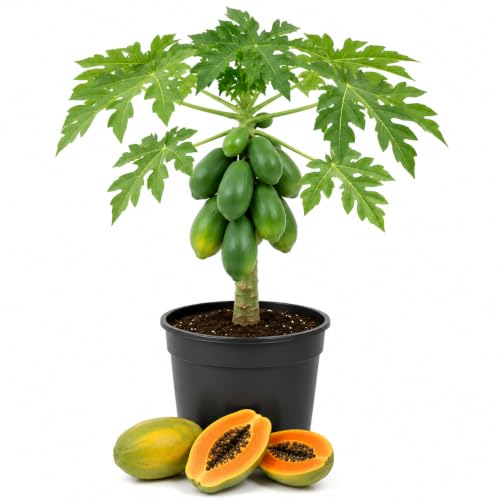
Not available in CA
Tree Variety
Tree variety significantly affects the time to fruit production. Different papaya varieties mature at different rates. For example, the ‘Solo’ variety generally produces fruit in around 6 to 12 months, while ‘Maradol’ might take a bit longer, usually around 12 to 18 months. Choosing the right variety that suits your climate and soil conditions can help increase your chances of early fruiting.
Growing Conditions
Growing conditions greatly impact your papaya tree’s fruit production timeline. Key aspects to consider include:
- Soil Type: Well-draining, nutrient-rich soil promotes healthy growth. Sandy loam often works best.
- Sunlight: Papaya trees thrive in full sun. Aim for at least 6 to 8 hours of direct sunlight daily.
- Watering: Consistent watering is essential, especially during dry periods. Aim to keep the soil moist but not waterlogged.
- Temperature: Ideal temperatures range from 70°F to 90°F. Cold weather can delay fruit production.
Paying attention to these growing conditions will help your papaya tree flourish and produce fruit sooner.
Average Timeframe for Fruit Production
Papaya trees typically produce fruit within a specific timeframe, influenced by various factors. Understanding these details helps you set realistic expectations for your gardening journey.
Recommended Products
FORMULATED FOR CITRUS AND FRUIT TREES: Use these citrus fertilizer spikes on apple, orange, lemon, lime, and avocado trees; this formula is also great for feeding palm trees
Not Available for Sell in WA, USA

Made for Lemon & Citrus Trees – Formulated to support healthy growth in lemon and citrus plants.
From Seed to Harvest
Germination takes about 2 to 3 weeks under optimal conditions. After germination, saplings undergo a growth phase lasting 6 to 18 months, depending on the variety. ‘Solo’ papayas provide fruit in approximately 6 to 12 months, while ‘Maradol’ may require 12 to 18 months. During this period, focus on regular watering and fertilization to support healthy growth. Once the tree reaches maturity, flowers will appear, signaling the approach of fruit production. Ensure you monitor for pests and diseases throughout this phase.
Seasonal Variations
Seasonal factors also impact the speed at which papaya trees bear fruit. In warmer climates, trees often produce fruit more quickly due to longer growing seasons. Cool, rainy seasons can slow growth and delay fruiting. Aim to plant your papaya tree at the start of the warm season to maximize fruit production. Additionally, providing adequate sunlight—at least 6 to 8 hours per day—can enhance the tree’s ability to flower and fruit on schedule.
Tips for Successful Fruit Production
Growing a healthy papaya tree can lead to a fruitful harvest. Following these tips ensures optimal fruit production.
Care and Maintenance
- Water Regularly: Water your papaya tree once or twice a week, depending on rainfall. Ensure the soil is moist but not waterlogged.
- Fertilize Appropriately: Use a balanced fertilizer every 6 to 8 weeks during the growing season. Look for fertilizers with higher nitrogen content for better leaf growth.
- Prune Wisely: Trim away any dead or diseased leaves to improve air circulation. This helps prevent disease and encourages healthy growth.
- Mulch the Soil: Apply a layer of organic mulch, such as wood chips or straw, around the base. This conserves moisture and suppresses weeds.
- Monitor Sunlight: Ensure your tree receives 6 to 8 hours of direct sunlight daily. If planted in partial shade, consider moving it to a sunnier location.
- Pest Infestations: Inspect your tree regularly for pests like aphids or spider mites. Treat infestations with neem oil or insecticidal soap.
- Nutrient Deficiencies: Yellowing leaves may indicate a lack of nutrients. Apply a tailored fertilizer to address specific deficiencies, like potassium or magnesium.
- Fungal Diseases: Watch for brown spots on leaves, signaling fungal infections. Use fungicides and ensure proper spacing for air circulation to mitigate this risk.
- Overwatering: If leaves droop or turn yellow, you might be overwatering. Allow the soil to dry out between waterings to promote healthy root systems.
- Temperature Extremes: Protect your papaya tree from frost and extreme heat. Consider using row covers during cold nights or providing shade during hot days.
By implementing these care strategies and addressing common issues promptly, you can maximize your papaya tree’s fruit production potential.
Conclusion
Growing a papaya tree can be a rewarding experience once you understand the timeline and care it needs. With the right attention and conditions your tree can start producing fruit in as little as six months.
Remember to keep an eye on factors like sunlight soil quality and watering to encourage healthy growth. Each variety has its own timeline so be patient and enjoy the journey of nurturing your tree.
Before you know it you’ll be enjoying fresh papayas straight from your garden. Happy gardening and best of luck with your papaya tree!
Frequently Asked Questions
How long does it take for a papaya tree to bear fruit?
The time it takes for a papaya tree to bear fruit typically ranges from 6 to 18 months. The exact duration depends on the variety: the ‘Solo’ variety may produce fruit in 6 to 12 months, while the ‘Maradol’ variety often takes 12 to 18 months.
What factors influence papaya fruit production?
Several factors influence when a papaya tree produces fruit, including tree variety, growing conditions (like soil type and sunlight), watering, and temperature. Optimal care can help enhance the fruiting timeline and yield.
What is the germination period for papaya seeds?
Papaya seeds generally germinate within 2 to 3 weeks under suitable conditions. Providing warmth and moisture during this period can help ensure successful germination.
How much sunlight do papaya trees need?
Papaya trees require at least 6 to 8 hours of direct sunlight daily for optimal growth and fruit production. Adequate sunlight is critical to promoting healthy development.
What are some tips for caring for a papaya tree?
To care for a papaya tree, regularly water it, apply balanced fertilizer every 6 to 8 weeks, and prune to improve air circulation. Monitor for pests and diseases, while ensuring it gets sufficient sunlight.
Can climate affect papaya fruiting?
Yes, climate can significantly impact papaya fruiting. Warmer climates with longer growing seasons generally promote quicker fruit production, while cooler, rainy seasons can slow down the growth process.
How can I maximize my papaya tree’s fruit production?
To maximize fruit production, start by selecting the right variety, planting at the beginning of the warm season, providing adequate sunlight, and maintaining proper care, including watering, fertilization, and pest management.
