

Have you ever dreamed of plucking fresh lychees right from your own garden? If you’ve planted a lychee tree but are struggling to get it to bear fruit, you’re not alone. Many gardeners face this challenge, and it can be frustrating when you see your tree thriving but not producing those sweet, juicy gems.
Key Takeaways
- Understanding Lychee Trees: Identify the unique requirements and characteristics of lychee trees to ensure optimal growth conditions for fruit production.
- Ideal Growing Conditions: Provide necessary climate, soil, sunlight, and watering to create a flourishing environment. Lychee trees thrive in tropical or subtropical climates with well-draining soil and full sunlight.
- Proper Care Techniques: Implement effective soil management, regular watering, and consistent fertilization to support tree health and encourage fruiting.
- Address Common Issues: Monitor for pests and diseases, employing natural pest control methods and enhancing air circulation to foster a healthier tree.
- Promoting Pollination: Utilize pruning techniques and attract pollinators to enhance the chances of effective pollination, leading to successful fruit set.
- Harvesting Guidelines: Pick ripe lychees at the right time and store them correctly to maximize flavor and prolong freshness before enjoying this tropical delicacy.
Understanding Lychee Trees
Lychee trees require specific conditions to thrive and produce fruit. Familiarizing yourself with their characteristics and preferences helps in achieving a fruitful harvest.
Lychee Tree Varieties
You’ll find several varieties of lychee trees, each with unique features. Some common types include:
- Hak Ip: Known for its sweet flavor and bright red skin.
- Brewster: Produces large fruits and has a slightly tangy taste.
- No Mai Tsze: Features a distinctive aromatic quality and smaller fruit size.
- Sweetheart: Exhibits a smooth texture and is popular for its sweetness.
Selecting the right variety for your climate can enhance the chances of successful fruiting.
Ideal Growing Conditions
Lychee trees prefer specific environmental factors to flourish. Focus on the following conditions:
- Climate: Thrive in tropical or subtropical climates. Temperatures should stay between 60°F and 100°F.
- Soil: Require well-draining soil with a pH level of 5.5 to 7.0. Sandy loam or a mix with organic matter works well.
- Sunlight: Need full sunlight for at least 6 to 8 hours daily. Place them in an area with abundant sunlight exposure.
- Watering: Benefit from regular watering, especially during dry spells. Maintain consistent moisture but avoid oversaturation.
By meeting these conditions, you significantly improve your chances of seeing your lychee tree bear fruit.
Essential Care for Lychee Trees
Proper care for lychee trees significantly influences their fruit production. Focusing on soil requirements, watering techniques, and fertilization tips creates a thriving environment to encourage your tree to bear fruit.
Recommended Products
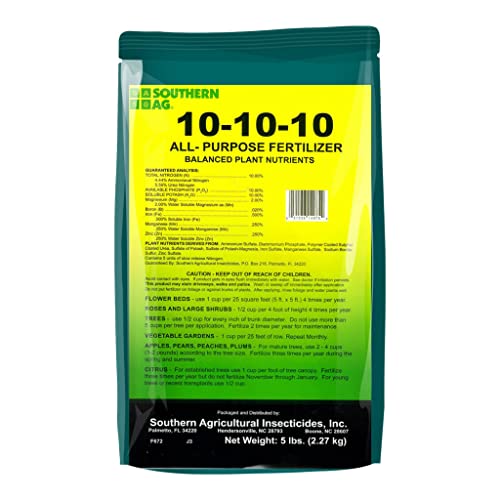

Supports Roots, Foliage & Structure – Helps encourage strong roots and steady plant development.
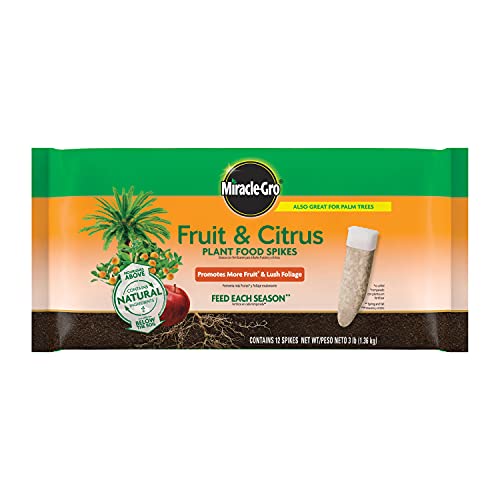
FORMULATED FOR CITRUS AND FRUIT TREES: Use these citrus fertilizer spikes on apple, orange, lemon, lime, and avocado trees; this formula is also great for feeding palm trees
Soil Requirements
Lychee trees thrive in well-draining, sandy loam soil with a pH between 5.5 and 7.0. Mix organic matter, such as compost or well-rotted manure, into the soil to enhance drainage and nutrient availability. Ensure soil moisture retention while preventing root rot by avoiding heavy clay or waterlogged conditions. Conduct a soil test if unsure about pH levels; adjusting it using lime or sulfur can improve conditions.
Watering Techniques
Consistent watering supports healthy lychee trees. Water deeply and infrequently, aiming for about 1-2 inches per week. Monitor soil moisture to prevent drought stress during flowering and fruiting seasons. During dry spells, consider using mulch around the base for moisture retention. However, avoid soggy conditions; too much water can harm root systems.
Fertilization Tips
Regular fertilization aids in promoting lychee fruiting. Apply a balanced fertilizer, such as 10-10-10 or similar, in early spring and again in late summer. Follow package instructions for dosage, adjusting based on tree age. Additionally, provide micronutrients like zinc, manganese, and boron to boost growth and fruit development. Organic options, like fish emulsion or seaweed extract, can also enhance nutrient uptake.
Common Issues Affecting Fruiting
Achieving fruit production from lychee trees can face several challenges. Identifying these issues helps improve your chances for a successful harvest.
Recommended Products

Protect your oasis with Captain Jack’s Neem Max Ready-to-Use Spray; this multipurpose product acts as a 4-in-1 insecticide, fungicide, miticide and nematicide

Protect your oasis with 3 garden products in 1 from Captain Jack’s; Captain Jack’s Ready-to-Use Neem Oil spray for plants is a multi-purpose fungicide, insecticide and miticide for your lawn and garden

Protect your oasis with Captain Jack’s Neem Max Ready-to-Use Spray; this multipurpose product acts as a 4-in-1 insecticide, fungicide, miticide and nematicide
Pest Control
Pests can significantly affect lychee fruiting. Common pests include lychee fruit flies, aphids, and scale insects. Here are some effective control methods:
- Inspect Regularly: Check leaves and fruit for signs of infestations.
- Use Neem Oil: Spray neem oil on affected areas; it’s a natural pesticide.
- Introduce Beneficial Insects: Ladybugs and lacewings can help control aphid populations.
- Maintain Hygiene: Remove fallen fruit and debris around the tree to minimize pest habitats.
Disease Management
Diseases can hinder lychee trees from bearing fruit. Fungal infections and root rot often occur in improper conditions. To manage diseases effectively:
- Improve Air Circulation: Prune densely packed leaves and branches to enhance airflow.
- Water Carefully: Avoid overwatering; allow soil to dry between watering sessions.
- Use Fungicides: Apply fungicide treatments at the first sign of fungal infections.
- Select Resistant Varieties: Choose lychee varieties that are more resistant to common diseases.
By addressing pest and disease issues, you create a healthier environment for your lychee trees, boosting their potential for fruit production.
Promoting Fruit Production
To encourage your lychee tree to produce fruit, focus on specific practices that enhance growth and development. By addressing pruning and pollination, you can increase the likelihood of a successful harvest.
Recommended Products

★ 1. What you get: Professional convenient grafting tool set including a dual-use grafting pruner tool contain 2 extra replaceable blades, a wrench and a screwdriver, along with 36pcs wide rubber bands, 150 thick rubber bands and 1 grafting tape, packed in a black wallet to meet all your needs

Adjustable and Durable Handle - Extendable Loppers: The lopping shears are adjustable from 16 inches to 24 inches, allowing you to handle tall branches easily. The iron arm is more sturdy and durable, and will not bend even when cutting large and thick branches.

Sharp Mn Steel Blade for Fast & Clean Cuts: This pole saw uses a sharp three-sided edge with a double-sided barb design to grip branches securely and cut smoothly from multiple angles. The Mn steel blade is durable, rust-resistant, and lightweight, delivering fast, clean cuts. This is a manual pole saw with detachable pole sections for adjustable reach, not pruner, not a telescoping pole; it is neither electric nor battery-powered.
Pruning Techniques
Pruning plays a vital role in stimulating lychee tree fruit production. Focus on these key pruning techniques:
- Remove Dead Branches: Eliminate any dead or damaged branches to improve overall tree health.
- Thin Out Canopy: Shorten or remove crowded branches to increase sunlight exposure and airflow within the tree.
- Shape the Tree: Maintain a balanced shape by trimming larger branches. This encourages even fruit production throughout the tree.
- Timing Matters: Prune right after harvest or in late winter to avoid interrupting the flowering cycle.
Following these techniques promotes better fruiting and overall vigor for your lychee tree.
Pollination Strategies
Lychee trees require effective pollination to set fruit. Implement these strategies to enhance pollination:
- Attract Pollinators: Plant flowering plants nearby to lure bees and other pollinators. Examples include marigolds and sunflowers.
- Hand Pollination: If natural pollination is insufficient, gently shake the branches during flowering. This encourages pollen transfer between flowers.
- Ensure Diversity: Consider planting multiple varieties of lychee trees close together. Different varieties can help improve cross-pollination.
By adopting these pollination strategies, you increase the chances of your lychee tree successfully producing fruit.
Harvesting and Enjoying Lychee
Harvesting lychee is a rewarding experience. Proper timing and techniques ensure the best flavor and texture.
When to Harvest Lychee
Know when to pick your lychee. The fruit turns a vibrant pink to red color when it’s ripe, typically 4 to 6 weeks after flowering. Check for a slight give when you gently squeeze the fruit. Ripe lychees also emit a sweet fragrance.
How to Harvest Lychee
- Use Sharp Tools: Use scissors or pruning shears to avoid damaging branches.
- Cut Carefully: Cut the stem of the cluster, leaving a few inches attached to the fruit. This keeps it fresh longer.
- Avoid Bruises: Handle fruits gently to prevent bruising.
Storing Lychee
Store harvested lychees in a cool place, ideally between 40°F and 50°F. They can last up to 5 days at room temperature but stay fresh longer in the fridge. For extended storage, freeze lychees after peeling and removing the seed.
Enjoying Lychee
Lychee adds a tropical touch to various dishes. Enjoy fresh lychee as a snack or in salads. Incorporate it into desserts like sorbet or lychee martinis. Lychee pairs well with flavors like lime, coconut, and mint.
Nutritional Benefits
Lychee provides numerous health benefits. It’s low in calories, high in vitamin C, and contains antioxidants that support immune health. The fiber in lychee aids digestion.
- Experiment with Recipes: Try incorporating lychee into savory dishes, like stir-fries or sushi.
- Keep Trees Healthy: Regular maintenance influences fruit quality and quantity. Ensure adequate watering and pest management for optimal harvests.
Enjoy the process of harvesting and consuming your lychee, celebrating the fruits of your labor.
Conclusion
Getting your lychee tree to fruit can be a rewarding journey filled with learning and patience. By creating the right environment and providing the care your tree needs, you’re setting the stage for a bountiful harvest. Remember to monitor for pests and diseases while also focusing on proper pruning and pollination techniques.
When the time comes to harvest your sweet lychees, you’ll appreciate all the effort you put in. Enjoy the fruits of your labor and don’t forget to share your delicious lychee creations with friends and family. Happy gardening and may your lychee tree thrive!
Frequently Asked Questions
Why isn’t my lychee tree producing fruit?
Many factors can prevent a lychee tree from bearing fruit, including inadequate growing conditions, improper watering, or lack of pollinators. Ensure your tree gets enough sunlight, has well-draining soil, and receives proper care through watering and fertilization.
What are the ideal growing conditions for lychee trees?
Lychee trees thrive in tropical or subtropical climates, requiring well-draining sandy loam soil with a pH between 5.5 and 7.0. They need ample sunlight and consistent watering, particularly during the flowering and fruiting seasons.
What types of lychee varieties are there?
Popular lychee varieties include Hak Ip, Brewster, No Mai Tsze, and Sweetheart. Each variety has unique characteristics that may affect sweetness, size, and growing requirements, making it important to choose one that fits your garden’s conditions.
How often should I water my lychee tree?
Water your lychee tree deeply but infrequently, allowing the soil to dry out between watering sessions. It’s essential to monitor the soil moisture, especially during flowering and fruiting periods to ensure optimal growth.
What pests should I watch for with lychee trees?
Key pests affecting lychee trees include lychee fruit flies, aphids, and scale insects. Regular inspections and methods like using neem oil, introducing beneficial insects, and maintaining cleanliness around the tree can help manage these pests.
How can I promote fruit production in my lychee tree?
To enhance fruit production, prune your lychee tree to improve air circulation and sunlight exposure. Also, consider hand pollination and planting multiple varieties nearby to boost pollination effectiveness.
When is the best time to harvest lychee?
Lychees should be harvested when they change from green to a vibrant pink or red color, usually 4 to 6 weeks post-flowering. Handle the fruit gently to avoid bruising and maintain its quality.
What are the nutritional benefits of lychee?
Lychee is low in calories and high in vitamin C, making it a healthy fruit choice. Its antioxidants and vitamins can enhance your diet, so consider experimenting with various recipes to enjoy this nutritious fruit.
