

Ever wondered why your fruit trees aren’t thriving like you hoped? You’re not alone. Many gardeners face the challenge of keeping their trees healthy and productive. It can be frustrating to see little to no fruit despite your best efforts.
Key Takeaways
- Understand Nutritional Needs: Different fruit trees require varying levels of macro and micro nutrients for optimal growth, including nitrogen, phosphorus, potassium, iron, and zinc.
- Feeding Methods: Utilize organic fertilizers like compost, well-rotted manure, fish emulsion, and bone meal to enrich the soil and provide essential nutrients for fruit trees.
- Timing of Feeding: Implement a seasonal feeding schedule, starting in early spring to support new growth, with follow-ups in late spring and mid-summer as needed.
- Soil Testing: Regularly test your soil to identify nutrient deficiencies and tailor your fertilization strategy to ensure fruit trees receive the right balance of nutrients.
- Signs of Nutrient Deficiency: Monitor your trees for indicators of nutrient imbalance, such as yellowing leaves, poor fruit set, wilting, or leaf spots, to make timely adjustments to your feeding regimen.
- Tailored Approaches: Recognize that each type of fruit tree—deciduous, evergreen, and tropical—benefits from a customized feeding plan that caters to its specific needs.
Understanding Fruit Trees
Understanding how to nourish fruit trees leads to thriving plants and bountiful harvests. Proper nutrition is fundamental to their health and productivity.
Importance of Proper Nutrition
Proper nutrition enhances growth, fruit production, and pest resistance. Nutrients like nitrogen, phosphorus, and potassium support these factors. For example, nitrogen promotes leafy growth, phosphorus encourages root development, and potassium strengthens fruit quality. Regular soil testing helps you identify deficiencies, allowing for tailored fertilization strategies. Using organic fertilizers like compost or well-rotted manure improves soil health, providing a broader range of nutrients.
Different Types of Fruit Trees
Different types of fruit trees require specific care and nutrition. Here are some common categories:
- Deciduous Fruit Trees: These trees, such as apples and peaches, shed leaves annually. They thrive in well-drained soil with balanced nutrients.
- Evergreen Fruit Trees: Citrus trees, including lemons and oranges, retain their leaves year-round. They prefer slightly acidic soil and regular watering.
- Subtropical and Tropical Fruit Trees: Trees like avocados and mangoes flourish in warm climates. They need regular moisture and rich soil for optimal growth.
Each type of fruit tree benefits from a tailored feeding approach based on its unique needs. Keeping these differences in mind ensures a thriving garden and abundant fruit production.
Nutrient Requirements
Understanding the nutrient requirements of fruit trees is essential for promoting healthy growth and abundant fruit production. Each tree type has specific nutrient needs that contribute to a successful harvest.
Recommended Products

Let our professionally formulated plant food help your fruit tree grow healthy, strong AND abundantly producing

Bloom Booster Built for Peak Season: Yardi Fruit & Bloom delivers a targeted NPK 2-15-15 formula with micronutrients to drive abundant flowering and stronger yields. Higher phosphorus and potassium maximize bloom production and fruit set at the most critical stage of the growing season.

PREMIUM QUALITY INGREDIENTS – Cz Garden Muriate of Potash is a water soluble, high purity, premium phosphate fertilizer for all indoor/outdoor flowers, lawn, and garden vegetables.
Macro Nutrients
Macro nutrients are the primary nutrients that fruit trees need in large quantities. Key macro nutrients include:
- Nitrogen: Crucial for leaf and stem growth, nitrogen fosters lush foliage, promoting photosynthesis. To meet nitrogen needs, use organic fertilizers like compost or blood meal.
- Phosphorus: Important for root development and flowering, phosphorus enhances fruiting. Incorporate bone meal or superphosphate into the soil during planting or as a top dressing.
- Potassium: This nutrient supports overall tree health, improving fruit quality and disease resistance. Adding potassium sulfate or greensand can help meet the potassium requirement.
Micro Nutrients
Micro nutrients, although needed in smaller amounts, are vital for the overall health and productivity of fruit trees. These include:
- Iron: Essential for photosynthesis, iron deficiency can lead to yellowing leaves. Use chelated iron or iron sulfate to correct deficiencies.
- Zinc: Important for enzyme function, zinc plays a role in fruit set and development. A zinc sulfate application can improve tree health.
- Manganese: This nutrient aids in chlorophyll production. Manganese deficiency results in leaf spots. Use manganese sulfate to address this issue.
- Boron: Crucial for flower and fruit development, boron helps with pollination and seed formation. Applying borax in small quantities can support healthy growth.
Regular soil testing helps identify macro and micro nutrient deficiencies, allowing you to tailor your fertilization strategy effectively. By ensuring your fruit trees receive the right nutrients, you enhance their growth and maximize fruit yield.
How to Feed Fruit Trees
Feeding fruit trees involves understanding their nutritional needs and choosing the right methods for optimal growth and productivity. Here’s how to ensure your trees thrive.
Recommended Products
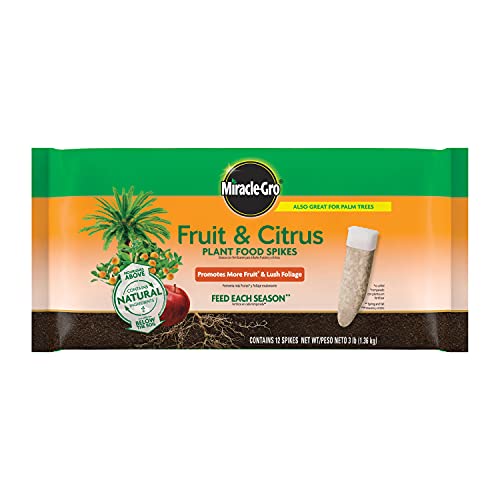
FORMULATED FOR CITRUS AND FRUIT TREES: Use these citrus fertilizer spikes on apple, orange, lemon, lime, and avocado trees; this formula is also great for feeding palm trees
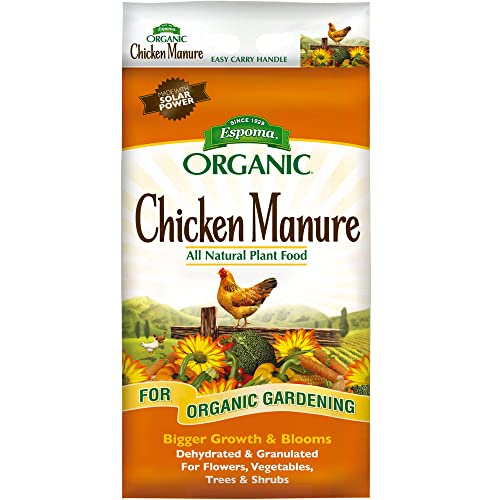
FOR USE ON: Use Chicken Manure organic fertilizer for flowers (annuals, perennials, and roses), Vegetables (tomatoes, peppers, squash, and lettuce), trees and shrubs.

APPLICATIONS: Our organic chicken manure pellets are ideal for vegetable gardens, flower beds, potted plants, raised beds, trees, and shrubs. One 6 lb bag feeds up to 200 sq. ft. Safe for pets and children, it has a low odor and can be used without gloves or protective equipment.
Organic Feeding Methods
- Compost: Spread a layer of compost around the base of the tree each spring. Compost adds organic matter and essential nutrients that improve soil health.
- Manure: Use well-rotted animal manure to provide a nutrient-rich boost. Apply it in early spring or fall, ensuring it’s aged to avoid burning the roots.
- Fish Emulsion: Mix fish emulsion with water according to package instructions. Apply this liquid fertilizer during the growing season every few weeks to support leaf and fruit growth.
- Bone Meal: Sprinkle bone meal around your trees to enhance phosphorus levels, crucial for root development and flowering. Apply it in early spring to kickstart growth.
- Wood Ash: Apply wood ash as a potassium source, especially for trees that fruit abundantly. Use it sparingly to avoid soil alkalinity issues.
- Granular Fertilizers: Select a balanced fertilizer with equal parts nitrogen, phosphorus, and potassium, like a 10-10-10 mix. Scatter it around the tree’s drip line in spring and water it in well.
- Slow-Release Fertilizers: Choose slow-release formulations that provide nutrients over an extended period. This method reduces the frequency of applications while ensuring plants receive a steady supply.
- Liquid Fertilizers: Use liquid fertilizers for a quick nutrient boost, especially during the active growing season. Apply monthly based on product recommendations for best results.
- Soil Test Kits: Purchase a soil test kit to determine the nutrient levels in your soil. This helps you select the appropriate fertilizers tailored to your trees’ needs.
- Fertilizer Spikes: Place fertilizer spikes into the ground around the root zone. These are easy to use and provide nutrients directly where trees need them.
By implementing these methods consistently, you’ll see improved growth, better fruit yield, and healthier trees throughout the growing season.
Timing and Frequency of Feeding
Feeding fruit trees requires attention to timing and frequency for optimal growth and fruit production. Properly scheduling your feeding routines enhances tree health and fruit yield.
Recommended Products

Made for Lemon & Citrus Trees – Formulated to support healthy growth in lemon and citrus plants.

Produce abundant and vibrant fruit and blooms! This product works by strengthening your plant's roots to increase nutrient uptake… enabling it to bloom and produce like you've never seen!

Down to Earth Fruit Tree is a five pound box of all natural fertilizer with 6-2-4 formula and is listed by the Organic Materials Review Institute (OMRI) for use in organic production
Seasonal Feeding Schedule
- Early Spring: Start feeding in early spring as trees begin to bud. This timing supports new growth and sets the stage for fruit production.
- Late Spring: Apply a second round of nutrients in late spring, especially for fast-growing varieties. This supports flowering and ensures adequate food supply during fruit development.
- Mid-Summer: Check growth and consider a mid-summer feeding if trees show signs of stress. Ensure nutrients are available as fruits mature.
- Fall: Limit feeding in late fall to avoid promoting new growth before winter. You can apply a soil amendment like compost to improve soil health.
- Yellow Leaves: Notice yellowing leaves, particularly on older foliage, which often indicates a nitrogen deficiency.
- Poor Fruit Set: Observe limited fruit set or small fruits, signals of insufficient phosphorus levels.
- Wilting: Watch for wilting leaves and stunted growth, commonly caused by potassium deficiency.
- Spots on Leaves: Identify dark spots on leaves; these may suggest a lack of essential micronutrients, such as iron or manganese.
By monitoring your trees and adjusting your feeding schedule accordingly, you can address nutrient needs effectively and encourage healthy growth.
Conclusion
Feeding your fruit trees is all about understanding their unique needs and providing the right nutrients at the right time. By staying attentive to their growth and signs of deficiency you can make informed decisions that lead to healthier trees and more abundant harvests.
Using organic methods and tailored fertilizers can make a world of difference in their vitality. Remember to keep an eye on the seasonal feeding schedule and adjust as necessary. With a little care and dedication your fruit trees will reward you with delicious fruits for years to come. Happy gardening!
Frequently Asked Questions
What causes low fruit production in trees?
Low fruit production in trees can be attributed to insufficient nutrients, poor soil health, and improper care. Key factors include nutrient deficiencies, inadequate watering, and environmental stressors. Regular soil testing helps identify these issues, allowing gardeners to correct them and promote healthier growth.
How do I nourish my fruit trees?
Nourishing fruit trees involves applying the right balance of nutrients, particularly nitrogen, phosphorus, and potassium. Organic methods like compost, well-rotted manure, and bone meal can provide essential nutrients. Regular soil tests help guide fertilization strategies for optimal health and yield.
What are macro and micro nutrients for fruit trees?
Macro nutrients, including nitrogen, phosphorus, and potassium, are required in larger quantities for growth and fruit production. Micro nutrients, such as iron and zinc, are needed in smaller amounts for vital functions like photosynthesis and fruit development. Both types are essential for healthy fruit trees.
What are the best feeding methods for fruit trees?
Effective feeding methods for fruit trees include using organic amendments like compost and fish emulsion, as well as fertilizers like bone meal and wood ash. Granular, slow-release, and liquid fertilizers can also be used to meet nutritional needs consistently throughout the growing season.
When should I feed my fruit trees?
Feed fruit trees in early spring to support new growth, again in late spring for flowering, and check for stressed trees mid-summer. Avoid late fall feeding to prevent premature growth before winter. Use compost as a soil amendment when necessary.
How can I tell if my fruit trees have nutrient deficiencies?
Signs of nutrient deficiencies include yellowing leaves (nitrogen), poor fruit set (phosphorus), wilting leaves (potassium), and dark spots on leaves (micronutrients). Monitoring these symptoms allows gardeners to adjust feeding and address the specific needs of their trees effectively.
