

Growing cherry trees in Houston, TX requires careful attention to humidity and fungus management. Implementing proper practices can significantly enhance tree health and fruit production.
Humidity’s Impact on Cherry Tree Health
Houston’s climate is characterized by high humidity, which can lead to various fungal issues for cherry trees. The average humidity often exceeds 70 percent, creating a breeding ground for diseases such as powdery mildew and leaf spot. Understanding these conditions is crucial for successful cherry tree cultivation.
Fungal Problems Affecting Cherry Trees
Cherry trees in Houston face unique challenges due to the region’s high humidity, which creates an ideal environment for fungal diseases. Understanding these specific fungal problems is crucial for maintaining the health and vitality of your cherry trees. This section will explore the common fungal issues that can arise and provide practical tips for prevention and treatment.
Fungal problems can severely impact cherry trees. Identifying these issues early allows for effective management. The following table outlines common fungal issues, symptoms, and recommended treatments.
| Fungal Issue | Symptoms | Recommended Treatment |
|---|---|---|
| Powdery Mildew | White powdery spots on leaves | Apply sulfur or potassium bicarbonate |
| Leaf Spot | Brown or black spots on leaves | Use fungicides with chlorothalonil |
| Canker | Sunken areas on branches | Prune affected areas and apply fungicide |
Choosing Humidity-Resistant Cherry Tree Varieties
Selecting the right cherry tree varieties is crucial for successful growth in Houston’s humid climate. Certain cultivars are better equipped to withstand high moisture levels and resist fungal diseases, ensuring a healthier and more productive tree. Understanding these options can help gardeners make informed decisions for their landscapes.
Choosing the right cherry tree variety is essential for thriving in Houston’s climate. Certain varieties are more resistant to humidity-related diseases. Look for the following characteristics when selecting trees:
Disease Resistance: Choose varieties known for their resistance to fungal infections.
Heat Tolerance: Select trees that can withstand high temperatures.
Fruit Quality: Ensure the chosen variety produces high-quality fruit suitable for your needs.
Recommended Products


Cherry Tree 'Stella' Semi-Dwarf – Produces large, deep red cherries with a sweet, rich flavor and firm texture, perfect for fresh eating, baking, and preserves.
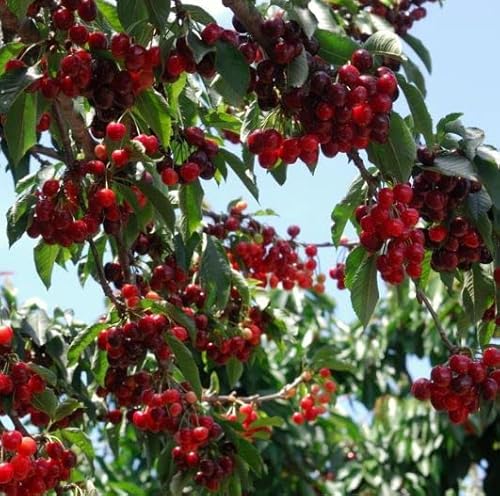
Best Cherry Tree Varieties for Houston
When selecting cherry tree varieties for the unique climate of Houston, it’s essential to consider factors such as heat tolerance and humidity resistance. The right choice can significantly impact growth and fruit production, helping gardeners enjoy the beauty and bounty of these trees despite the region’s challenges. Here are some of the best cherry tree varieties suited for Houston’s environment.
Consider these cherry tree varieties for Houston:
| Variety | Disease Resistance | Fruit Quality |
|---|---|---|
| Bing | Moderate | Sweet, large |
| Stella | High | Sweet, firm |
| Black Tartarian | Moderate | Sweet, juicy |
Watering Strategies for Cherry Tree Health
Effective watering strategies are crucial for maintaining the health of cherry trees in Houston’s humid climate. Understanding the right balance of moisture can help prevent common fungal issues while promoting robust growth. This section outlines practical approaches to watering that cater specifically to the unique environmental conditions of the region.
Watering practices play a vital role in managing humidity levels around cherry trees. Overwatering can lead to root rot and increased fungal growth. Proper techniques can mitigate these risks.
Drip Irrigation: Use drip irrigation systems to deliver water directly to the roots.
Mulching: Apply mulch around the base to retain moisture and regulate soil temperature.
Watering Schedule: Water early in the morning to reduce evaporation and fungal growth.
Optimal Watering for Houston Cherry Trees
Proper watering is crucial for the successful growth of cherry trees in Houston’s unique climate. Given the area’s high humidity and potential for fungal issues, understanding the right watering techniques can help ensure healthy trees. This section will explore effective watering strategies tailored to the specific needs of cherry trees in Houston.
Follow this watering schedule for optimal results:
| Season | Frequency | Amount |
|---|---|---|
| Spring | Twice a week | 1 inch per week |
| Summer | Three times a week | 1.5 inches per week |
| Fall | Once a week | 1 inch per week |
Pruning Techniques for Healthy Cherry Trees
Effective pruning is essential for maintaining healthy cherry trees in Houston’s humid climate. Proper techniques help manage growth, improve air circulation, and reduce the risk of fungal diseases. Understanding the best practices for pruning can significantly enhance the vitality and productivity of your cherry trees.
Regular pruning is essential for maintaining healthy cherry trees in humid conditions. Proper pruning enhances airflow, reducing the likelihood of fungal infections.
Remove Dead or Diseased Wood: Cut away any affected branches to prevent disease spread.
Thin Out Crowded Areas: Ensure adequate space between branches for airflow.
Shape the Tree: Maintain a balanced shape to promote sunlight exposure.
Effective Pruning Techniques for Cherry Trees
Pruning is essential for maintaining the health and productivity of cherry trees, especially in the humid climate of Houston, TX. Effective techniques not only promote better air circulation and sunlight exposure but also help prevent fungal diseases that thrive in such conditions. Understanding the right approach to pruning can significantly enhance the growth and yield of your cherry trees.
Follow these best practices for effective pruning:
| Step | Action |
|---|---|
| 1 | Assess tree structure before pruning |
| 2 | Use clean, sharp tools to make cuts |
| 3 | Seal large cuts with pruning sealant |
Fungal Issue Monitoring for Cherry Trees
Monitoring fungal issues is crucial for the health of cherry trees in Houston’s humid climate. The combination of high moisture and warmth creates an ideal environment for fungal growth, making it essential for gardeners to be vigilant. Understanding the signs of fungal infections and implementing preventive measures can help ensure the vitality and productivity of your cherry trees.
Regular monitoring of cherry trees is crucial for early detection of fungal issues. Implement a routine inspection schedule to catch problems before they escalate.
Visual Inspections: Check for signs of fungal diseases weekly.
Soil Testing: Test soil moisture and pH levels regularly.
Fungus Traps: Use traps to monitor fungal spore levels in the area.
Cherry Tree Health Inspection Guide
Maintaining the health of cherry trees in Houston’s humid climate is essential for a fruitful harvest. This guide provides practical steps for inspecting your trees, focusing on identifying signs of stress and potential fungal issues. By being proactive, you can ensure your cherry trees thrive despite the challenges posed by local weather conditions.
Utilize this checklist during inspections:
| Item | Frequency |
|---|---|
| Leaf condition | Weekly |
| Soil moisture | Bi-weekly |
| Pest presence | Monthly |
Fungal Management Strategies for Cherry Trees
Managing fungal issues is crucial for the health of cherry trees in Houston’s humid climate. High moisture levels can promote fungal growth, leading to diseases that affect tree vitality and fruit production. Implementing effective strategies can help mitigate these risks and ensure a thriving cherry orchard.
Taking proactive measures against fungal threats can protect cherry trees. Implement a comprehensive management plan that includes cultural practices, monitoring, and treatment.
Apply Preventative Fungicides: Use fungicides as a preventive measure during high humidity periods.
Maintain Tree Health: Fertilize appropriately to strengthen tree resilience.
Educate Yourself: Stay informed about local fungal threats and best practices.
Recommended Products

3-in-1 FORMULA: Aphid spray for outdoor plants for use on roses, flowers, shrubs and trees to control listed insects, disease and mites

FOR ORGANIC GARDENING: Use in & around the home & home garden on roses, flowers, houseplants, ornamental trees & shrubs, fruits & vegetables

Control plant common plant diseases in your home garden with Copper Fungicide Spray or Dust from Bonide!
Humidity and Fungal Care for Cherry Trees
In Houston’s humid climate, cherry trees face unique challenges, particularly from fungal diseases that thrive in moist conditions. Understanding the relationship between humidity and these pathogens is crucial for maintaining healthy trees. This section delves into effective care strategies to mitigate fungal risks and promote robust growth in your cherry trees.
Neglecting humidity and fungal management can lead to severe damage to cherry trees. Regular care and attention are essential for successful growth in Houston’s climate.
