

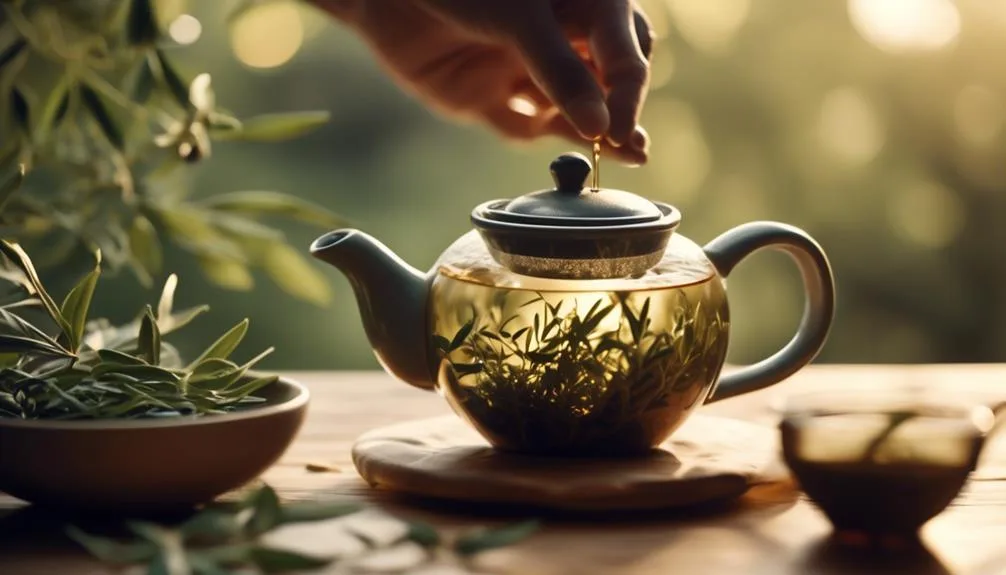
You've probably heard about the benefits of olive oil, but olive leaves can also be great for herbal teas. They're not just for Mediterranean cuisine – olive leaves can add depth and health benefits to your daily cup of tea.
Whether you're a seasoned herbal tea fan or new to natural remedies, using olive leaves in your tea routine can offer wellness advantages. But how do you use olive leaves in herbal teas? Let's find out and explore the art of making soothing olive leaf tea.
Key Takeaways
- Olive leaves are packed with antioxidants and anti-inflammatory properties, making them a valuable addition to herbal teas.
- The oleuropein in olive leaves can lower blood pressure and improve heart health.
- Olive leaf tea supports the immune system and can help protect against diseases.
- When preparing olive leaf tea, steeping times can vary to adjust the strength and taste, and complementary herbs like mint or lemongrass can be added for additional flavor.
Benefits of Olive Leaves in Herbal Teas
Discover the remarkable health benefits of incorporating olive leaves into your herbal teas, enhancing both flavor and wellness in every sip.
Olive leaves are packed with antioxidants, anti-inflammatory properties, and have been used for centuries to support the immune system. These leaves contain oleuropein, a compound known for its ability to lower blood pressure and improve heart health.
By infusing olive leaves into your herbal teas, you can harness these benefits while enjoying a delightful and soothing beverage.
Furthermore, the culinary uses of olive leaves extend beyond health benefits. They add a subtle earthy flavor to your teas, complementing other herbs and spices.
With their rich history and proven health benefits, olive leaves are a valuable addition to your herbal tea collection.
How to Prepare Olive Leaf Tea
If you're looking to experience the unique flavor and health benefits of olive leaf tea, you'll need to start by gathering high-quality, dried olive leaves for your infusion.
To prepare olive leaf tea, bring filtered water to a boil and then allow it to cool for a minute.
Place about one teaspoon of dried olive leaves into a tea infuser or a teapot.
Pour the hot water over the leaves and let them steep for around 5-7 minutes.
This infusing process allows the water to absorb the beneficial compounds from the olive leaves, resulting in a fragrant and flavorful tea.
Keep in mind that the optimal steeping time may vary based on personal preference, but it's generally recommended to steep the leaves for at least 5 minutes to extract the maximum flavor and health properties.
Recommended Products

100% Pure Herbal Ingredients: Our tea is made from premium olive leaves, no artificial additives, fillers, or preservatives. Enjoy a naturally caffeine-free brew that supports your wellness routine with every sip
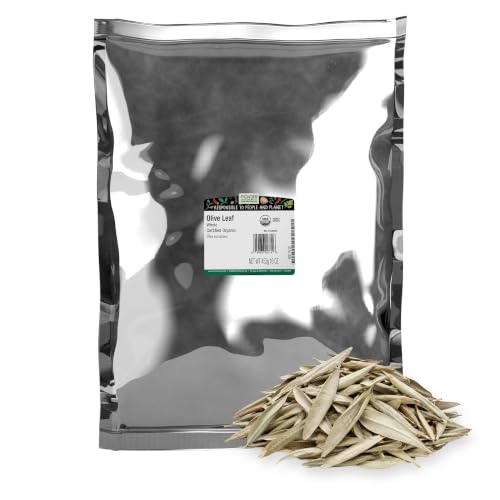
Premium Quality: We source our olive leaves directly from Spain, ensuring natural freshness and robust flavor. This careful sourcing guarantees a high-quality product with an authentic taste.

USDA Certified Organic Olive Leaf: Our organic olive leaf is non-GMO, non-irradiated, and lab tested for purity. These olive leaves organic are carefully packaged to preserve freshness and botanical integrity.
Brewing Techniques for Olive Leaf Tea
After preparing your olive leaf tea using the suggested method, you can further enhance your brewing techniques to explore different flavors and strengths in your tea. Experiment with tea blending by adding complementary herbs like mint or lemongrass to create unique flavor profiles.
Adjusting steeping times can also impact the strength and taste of your tea. For a milder flavor, steep the leaves for 3-5 minutes, while a stronger brew can be achieved by steeping for 5-7 minutes. Remember that steeping too long can result in a bitter taste, so it's essential to find the right balance.
Recommended Products

Brushed stainless steel Tea Timer includes three hourglasses: two minutes for light-strength tea (such as white and green teas), three minutes for medium-strength black or oolong teas, and five minutes for full-strength black, oolong, and herbal teas.

PERFECT TIMING FOR ANY TEA: Three hourglasses provide 3-minute, 4-minute, and 5-minute timing. Use the 3-minute timing for a light brew, and the 4 or 5-minute timers for dark, stronger tea. Use with oolong and white, green and yellow tea leaves, or English breakfast, Earl Grey and other black teas.

Trio tea timer has colored coded sand timers to how long to brew white, green and black tea
Adding Flavor to Olive Leaf Tea
To infuse your olive leaf tea with delightful flavors, consider experimenting with complementary herbs like mint or lemongrass to create unique and aromatic blends.
Mint adds a refreshing and cooling note to the tea, enhancing its aroma and providing a pleasant contrast to the earthy undertones of the olive leaves.
Lemongrass, on the other hand, brings a citrusy brightness that complements the subtle bitterness of the olive leaf tea, resulting in a vibrant and invigorating flavor profile.
You can also try adding a hint of lavender for a soothing floral touch or a sprinkle of cinnamon for a warm and spicy twist.
Storing and Using Olive Leaves for Tea
When storing and using olive leaves for tea, ensure they're thoroughly dried to preserve their flavor and quality.
After harvesting, spread the leaves in a single layer and allow them to air dry in a warm, well-ventilated area.
Once completely dry, store them in an airtight container away from direct sunlight to maintain their potency.
Olive leaves offer a multitude of health benefits, including being rich in antioxidants, which can help boost your immune system and protect against diseases. They also contain compounds that may help lower blood pressure and improve heart health.
By incorporating olive leaf tea into your routine, you can enjoy these health benefits while savoring its unique and soothing flavor.
Properly storing and using olive leaves ensures that you can make the most of their medicinal properties and delightful taste.
Recommended Products

Single Ingredient: 100% Organic Olive Leaves (Olea europaea) harvested from olive trees grown in the USA.

Wildcrafted Mediterranean Herb: Collected from naturally occurring olive trees in their native environment, these dried olive leaves deliver a classic Mediterranean herb character with a clean, aromatic profile.

Dry Whole Olive Leaf Tea: Steeped in antique traditions, this olive leaf herb tea, with its earthy tones and a hint of fresh green olives, offers a soothing, mild flavor that embodies the essence of the Mediterranean in every cup
Conclusion
Incorporating olive leaves into your herbal tea routine can bring a myriad of health benefits and a delightful taste to your cup. Whether you prefer it hot or cold, with added flavors or enjoyed on its own, olive leaf tea offers versatility and refreshment.
Give it a try and savor the natural goodness of olive leaves in your tea – a simple yet impactful way to elevate your wellness journey.
