

Are you dreaming of a backyard filled with fruit trees? If you live in zone 6a, you might wonder which varieties will thrive in your climate. With cold winters and warm summers, choosing the right fruit trees can make all the difference in your home orchard.
Key Takeaways
- Zone 6a Climate: Understand that Zone 6a features cold winters (0°F to 10°F) and warm summers (85°F to 90°F), making it suitable for a variety of fruit trees requiring specific chilling hours.
- Recommended Varieties: Ideal fruit trees for Zone 6a include apples, pears, cherries, and peaches, each thriving under the conditions prevalent in this zone.
- Soil & Sunlight: Ensure well-drained, fertile soil pH between 6.0 and 7.0, and provide at least 6 to 8 hours of daily sunlight for optimal growth and fruit production.
- Pollination Needs: Be aware of the cross-pollination requirements for certain trees like apple and pear varieties, which can enhance fruit yields.
- Planting & Care Tips: Follow best practices for site selection, soil preparation, and regular maintenance, such as watering, mulching, and pruning to promote healthy growth and fruit production.
- Harvest Timing: Plan for a staggered harvest by selecting trees that mature at different times throughout the growing season, ensuring a steady supply of fresh fruit.
Overview of Zone 6a Climate
Zone 6a has a unique climate that affects the types of fruit trees you can grow. This zone experiences cold winters and warm summers, offering a range of conditions favorable for various fruit trees.
Temperature Range
Temperature fluctuations in zone 6a typically range from 0°F to 10°F in winter. Summer temperatures can reach up to 85°F to 90°F. This range allows for a variety of fruit trees to flourish, as many trees need a certain number of chilling hours in winter to produce fruit. Trees like apple, peach, and pear thrive in these conditions.
Growing Season Length
The growing season in zone 6a lasts approximately 180 to 200 days. This relatively long season provides ample time for fruit trees to grow and produce fruit. Planting fruit trees with early, mid, or late-season harvests ensures a steady supply of fresh fruit throughout the summer and into fall. Trees such as cherry and plum, which mature early in the growing season, offer options for early harvests.
Recommended Fruit Trees for Zone 6a
Zone 6a supports a variety of fruit trees that thrive in its climatic conditions. Choosing the right trees ensures a fruitful harvest. Here are some excellent options for your backyard orchard.
Recommended Products

4 kinds of the most popular fruits, individually packaged, 50pcs Lemon seeds 50pcs Cherry seeds 50pcs Orange seeds 50pcs Apple seeds Fresh seeds, all fruit seeds are packed in tear and moisture resistant zipper sealed bags for your long term storage.

35 Premium Pear Tree Seeds: Start your own home orchard with our collection of 35 premium pear seeds. Grow these classic fruit trees that will provide delicious, sweet pears for fresh eating, canning, and baking

BEGINNER-FRIENDLY & EASY TO GROW – Perfect for first-time bonsai growers, simple planting and care instructions
Apple Trees
Apple trees grow well in zone 6a. They require 800 to 1,000 chilling hours for optimal fruit production. Popular varieties include ‘Honeycrisp,’ ‘Fuji,’ and ‘Gala.’ These trees bloom in spring and produce fruit from late summer to fall. Regular pruning helps maintain their shape and encourages healthy growth.
Pear Trees
Pear trees thrive in zone 6a and often bear fruit in 4 to 6 years. Varieties like ‘Bartlett,’ ‘Bosc,’ and ‘Anjou’ flourish in this region. They prefer well-drained soil and full sunlight. Use proper spacing of about 20 feet apart for optimal air circulation. Pear trees benefit from cross-pollination, so plant at least two different varieties.
Cherry Trees
Cherry trees are a great addition to your zone 6a garden. Sweet cherries, such as ‘Bing’ and ‘Sweetheart,’ need full sun and well-drained soil. Sour varieties like ‘Montmorency’ thrive in similar conditions and ripen by mid-summer. Space cherry trees about 15 to 20 feet apart for healthy growth. Protect them from birds, as they can quickly devour your harvest.
Peach Trees
Peach trees favor zone 6a’s temperatures. They typically produce fruit within 3 to 4 years. Varieties like ‘Redhaven’ and ‘Elberta’ are popular for their sweetness and texture. Plant these trees in full sun with well-drained soil. Thin the fruit in early summer to prevent overcrowding and ensure larger peaches. Regular pruning is essential for strong structures and air circulation.
Factors to Consider When Choosing Fruit Trees
Choosing the right fruit trees for your zone 6a garden involves several key factors. Understanding these will lead to a successful fruit-bearing experience.
Recommended Products

Do not plant in a container, only in the ground. All pictures are of fully grown plants. Sizes shipped are in the title and description. Deciduous plants do not have leaves in the winter.

Versatile Fruit Use: The plums produced can be eaten fresh as a snack and are well-suited for home kitchen projects like creating preserves, jams, and baked goods.

Package: 5 Individual Packs, 40+ Lemon Tree Seeds 40+ Cherry Tree Seeds 40+ Orange Tree Seeds 40+ Apple Seeds 20+ Blueberry Seeds
Soil Type
Soil quality significantly impacts tree health and fruit production. Fruit trees thrive in well-drained, fertile soil. Test your soil pH; most trees prefer a range of 6.0 to 7.0.
Examples of soil types:
- Loamy Soil: Ideal for apple and pear trees.
- Sandy Soil: Good for peach trees, as it provides excellent drainage.
- Clay Soil: Can be amended with organic matter to support cherry trees.
Improving your soil can involve adding compost or aged manure, enhancing nutrient content and drainage.
Sunlight Requirements
Sunlight plays a crucial role in fruit development. Most fruit trees require full sun, which means at least 6 to 8 hours of direct sunlight daily.
Examples of light preferences:
- Apple Trees: Full sun, ensuring better fruit quality.
- Peach Trees: Prefer full sun for sweet, juicy fruit.
- Cherry Trees: Benefit from southern exposure to maximize sunlight.
If your space has partial shade, consider planting trees like pawpaw, which tolerates less sunlight.
Pollination Needs
Pollination directly affects fruit yield. Some trees need cross-pollination for optimal fruit production. Check whether your chosen trees require a partner.
- Apple Trees: Many varieties, like ‘Fuji’ and ‘Gala,’ need a pollen source nearby.
- Pear Trees: Such as ‘Bartlett’ benefit from having another variety for pollination.
- Cherry Trees: Sweet types require a compatible variety, while sour cherries are usually self-pollinating.
Providing sufficient spacing between trees ensures air circulation, reducing disease risk while facilitating pollination.
Tips for Growing Fruit Trees in Zone 6a
Growing fruit trees in zone 6a promises rewarding yields. Understanding the right techniques and care practices makes it easier to enjoy a bountiful harvest.
Recommended Products
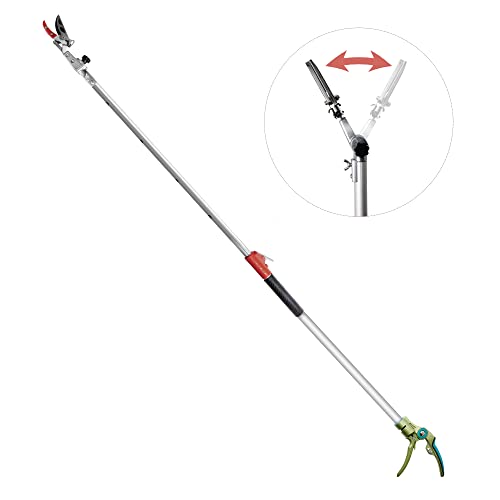
[Helpful Garden Tool] GARTOL brings to you a lightweight and extendable pruning tool to reach out to the least approachable arenas of your garden. You can conveniently get across other plants to remove the fastgrowing brambles and sting nettles without getting scratched or hurt. For gardening lovers, the telescopic pruner cutter head can can be rotated which resolves mobility issues and gives you the pleasure of trimming your garden without bending down or using a ladder to climb and cut them.

[Cut & Hold Pole Pruner for Tree Trimming] This long reach cut and hold pruner makes it easy to grip and remove branches, flowers, or fruit without dropping them. Perfect as a pole fruit picker for harvesting lemons, oranges, apples, or persimmons, and for trimming shrubs and bushes without climbing a ladder.

Branch Shaping Tool: 50 pcs 3.94 inch fruit branch pullers are suitable for 0.4 inch branches, can pull down the drooping angle of branches, suitable for orchards with tree spacing of 1-2 meters and tree age of 1-3 years, pruning angle is 110-135 degrees
Planting Techniques
- Choose the Right Site: Select a spot with full sun. Aim for at least 6 to 8 hours of direct sunlight daily.
- Prepare the Soil: Test soil pH, targeting a range between 6.0 and 7.0. Amend the soil with organic matter, ensuring it’s fertile and well-drained.
- Dig the Hole: Dig holes twice as wide as the root ball but no deeper than the root’s height. This encourages root spread.
- Position the Tree: Place the tree in the hole, keeping the graft union (swelling where the tree was joined) above the soil line. Backfill with soil, firming it gently.
- Water Thoroughly: Water the newly planted tree deeply. Soak the surrounding area to help roots settle in.
- Watering: Water consistently, especially during dry spells. Aim for deep watering once a week, adjusting frequency based on rainfall.
- Mulching: Apply organic mulch around the base of the tree. This retains moisture, suppresses weeds, and regulates soil temperature. Keep mulch a few inches from the trunk.
- Fertilizing: Apply a balanced fertilizer in early spring before new growth starts. Follow label directions for application rates based on tree type and age.
- Pruning: Prune annually in late winter or early spring. Focus on removing dead or crossing branches to improve air circulation and sunlight penetration.
- Pest and Disease Management: Monitor for signs of pests or diseases. Use organic treatments when possible, and maintain tree health through proper care practices.
Following these tips enhances the growth and productivity of fruit trees in zone 6a, ensuring a thriving orchard packed with delicious fruit.
Conclusion
Choosing the right fruit trees for your zone 6a backyard can lead to a bountiful harvest. With options like apples, pears, cherries, and peaches, you can enjoy fresh fruit throughout the growing season. Remember to consider soil type, sunlight, and pollination needs to ensure your trees thrive.
By following the tips for planting and care, you’ll create a healthy orchard that not only beautifies your space but also provides delicious fruit for you and your family. So get ready to dig in and enjoy the fruits of your labor. Happy gardening!
Frequently Asked Questions
What fruit trees are best for zone 6a?
In zone 6a, ideal fruit trees include apples, pears, cherries, and peaches. Varieties like ‘Honeycrisp’ and ‘Bartlett’ thrive in this climate, benefiting from the winter chilling hours and warm summers.
How many chilling hours do apple trees need in zone 6a?
Apple trees generally require between 800 to 1,000 chilling hours to produce fruit effectively in zone 6a. This requirement makes them well-suited for the climate’s winter temperatures.
What soil type best supports fruit trees in zone 6a?
Loamy soil is ideal for apple and pear trees, while peach trees prefer sandy soil. Clay soil may require amendments for optimal growth, especially for cherry trees.
How much sunlight do fruit trees need?
Most fruit trees require at least 6 to 8 hours of direct sunlight each day. Adequate sunlight is crucial for healthy growth and fruit production.
Do fruit trees need cross-pollination?
Some fruit trees, especially apples and pears, benefit from cross-pollination to enhance fruit yield. Planting compatible varieties nearby can improve fruiting success.
What are key tips for planting fruit trees in zone 6a?
Select a sunny location, prepare well-drained soil, and ensure proper spacing. Consistent watering, mulching, and annual pruning are also essential for healthy growth.
How long does it take for pear trees to bear fruit?
Pear trees typically take 4 to 6 years to bear fruit. Choosing varieties like ‘Bartlett’ or ‘Bosc’ can help ensure a successful yield in zone 6a.
How should I care for my fruit trees during the growing season?
Care for fruit trees by consistently watering, applying balanced fertilizers in early spring, and monitoring for pests and diseases. Annual pruning is also essential for maintaining health and productivity.
