Close Menu
    Fruit Tree Hub
    • Home
    • Apple Trees
    • Lemon Trees
    • Mango Trees
    • Orange Trees
    • More Trees
      • Best Fruit Trees
      • Apricot Trees
      • Cherry Trees
      • Fig Trees
      • Lime Trees
      • Mulberry Trees
      • Peach Trees
      • Pear Trees
      • Plum Trees
      • Pomegranate Trees
    • Tips and Advice
      • Tools
    • About Us
      • Contact
      • Privacy Policy
    Fruit Tree Hub
    Home»Tips and Advice»Can You Grow a Fruit Tree from a Branch: Step-by-Step Guide for Successful Propagation
    Tips and Advice

    Can You Grow a Fruit Tree from a Branch: Step-by-Step Guide for Successful Propagation

    Martha JacksonBy Martha JacksonDecember 20, 20249 Mins Read
    Share Facebook Twitter Pinterest WhatsApp Email
    Share
    Facebook Twitter LinkedIn Pinterest Telegram Email

    Have you ever wondered if you can grow a fruit tree from just a branch? It’s a question many gardening enthusiasts ask, especially when they want to expand their fruit garden without spending a fortune on new trees. Imagine taking a simple cutting and watching it flourish into a beautiful tree, bearing delicious fruit right in your backyard.

    Contents show
    1 Key Takeaways
    2 Understanding Fruit Tree Propagation
    2.1 Types of Propagation
    2.2 Steps to Grow a Fruit Tree from a Branch
    3 The Process of Growing a Fruit Tree From a Branch
    3.1 Selecting the Right Branch
    3.2 Preparing the Cutting
    4 Conditions for Successful Growth
    4.1 Soil Requirements
    4.2 Light and Water Needs
    5 Tips for Better Results
    5.1 Choosing the Right Time of Year
    5.2 Maintenance Practices
    6 Conclusion
    7 Frequently Asked Questions
    7.1 Can I grow a fruit tree from a branch?
    7.2 What are the best methods for propagating fruit trees?
    7.3 What type of branch should I use for cuttings?
    7.4 How do I prepare a cutting for planting?
    7.5 What conditions do I need for the cutting to grow?
    7.6 When is the best time to take cuttings for propagation?
    7.7 What types of fruit trees root well from cuttings?
    7.8 How can I ensure my new cutting thrives?

    Key Takeaways

    • Fruit Tree Propagation Methods: You can propagate fruit trees through cuttings, grafting, or layering, each offering different advantages for expanding your garden.
    • Selecting the Right Cutting: Choose a healthy, disease-free branch around 6 to 12 inches long from a mature tree during its dormant season for best results.
    • Proper Preparation is Key: Use sharp, sterilized tools to make a clean cut at a 45-degree angle, apply rooting hormone, and plant in well-draining soil to enhance rooting success.
    • Maintain Optimal Conditions: Ensure your cutting receives bright, indirect sunlight, and keep the soil moist with adequate humidity and temperatures between 65°F and 75°F.
    • Monitor and Adjust: Regularly check moisture levels, and adjust humidity and light exposure if the cutting shows signs of stress for successful propagation.
    • Patience and Care: Root development can take 4 to 8 weeks; consistent care and maintenance will yield better results in growing your fruit tree from a branch.

    Understanding Fruit Tree Propagation

    Fruit tree propagation involves creating new trees from existing ones. This method can save money and allows you to maintain desired fruit traits.

    Types of Propagation

    • Cuttings: This method involves taking a branch from a healthy tree. You cut a section of the branch, typically 6 to 12 inches long. Ensure it has a few leaves and nodes. Plant this cutting in soil or a pot with suitable conditions.
    • Grafting: Grafting combines parts from two plants. The branch, called a scion, joins the root system of another tree, known as the rootstock. This technique promotes traits from both plants.
    • Layering: Layering involves bending a branch to the ground and covering part of it with soil. The buried section develops roots while still attached to the parent tree. After it roots, you can cut it free.
    MUST READ
    What Fertilizer to Use on Fruit Trees for Optimal Growth and Delicious Harvests

    Steps to Grow a Fruit Tree from a Branch

    1. Select a Healthy Branch: Choose a healthy branch from a mature fruit tree. Look for branches that are disease-free and strong.
    2. Prepare the Cutting: Cut the branch at a 45-degree angle just below a node. Use sharp, sterilized tools to prevent disease.
    3. Use Rooting Hormone: Dip the cut end in rooting hormone. This step encourages root development and improves success rates.
    4. Plant the Cutting: Insert the cutting into a pot filled with well-draining soil. Keep the soil moist but not waterlogged.
    5. Provide Proper Conditions: Place the pot in a warm area with indirect sunlight. Cover it with a plastic bag or dome to maintain humidity.
    6. Monitor and Water: Check regularly for moisture. Water the soil when it feels dry, ensuring the cutting gets adequate hydration.
    7. Transplant: Once roots develop, usually in a few weeks, transplant the new tree into a larger pot or directly into your garden.
    • How Long Does It Take?: Rooting can take 4 to 8 weeks, depending on tree type and conditions.
    • Which Trees Are Best for This Method?: Apples, cherries, and figs are good candidates for propagation from cuttings.
    • What If My Cutting Doesn’t Root?: If your cutting doesn’t root, it may lack humidity, light, or proper temperature. Adjust these factors and try again.

    Using these methods, you can successfully grow fruit trees from branches, expanding your fruit garden and enjoying home-grown produce.

    The Process of Growing a Fruit Tree From a Branch

    Growing a fruit tree from a branch involves several straightforward steps. This section guides you through selecting the right branch and preparing the cutting for successful propagation.

    Recommended Products

    Bonide Bontone II Rooting Powder, 1.25 oz Ready-to-Use Dust for Houseplants and Transplants Speeds Root Development
    Bonide Bontone II Rooting Powder, 1.25 oz Ready-to-Use Dust for Houseplants and Transplants Speeds Root Development

    Quick Root Development: Bontone rooting powder from Bonide promotes quick root development from cuttings once applied; to apply, simply dip the end of a clipping into the powder and then place it in moist soil to help the rooting process of cuttings

    MUST READ
    Does Fruit Grow on Palm Trees and Which Varieties Can You Enjoy?
    VIEW LATEST PRICE

    As an affiliate, we earn on qualifying purchases.

    Garden Safe Take Root Rooting Hormone 2 Oz, Promotes Rooting, 2 Pack
    Garden Safe Take Root Rooting Hormone 2 Oz, Promotes Rooting, 2 Pack

    PROMOTES ROOTING: Rooting hormone grows new plants from cuttings

    VIEW LATEST PRICE

    As an affiliate, we earn on qualifying purchases.

    Bontone Rooting Powder, 1.25-oz.
    Bontone Rooting Powder, 1.25-oz.

    PROMOTES DEVELOPMENT - Once applied, this powder promotes quick root development from cuttings. Simply dip the end of a clipping into the powder and then place it in moist soil, this helps the rooting process of cuttings.

    VIEW LATEST PRICE

    As an affiliate, we earn on qualifying purchases.

    Selecting the Right Branch

    Select a healthy branch from a mature tree. Look for a branch that is approximately 6 to 12 inches long and has several leaf nodes. Ensure the branch is free from diseases or pests. Take the cutting during the tree’s dormant season, typically in late winter or early spring, for the best results. For tree types, consider apple, cherry, or pear as they often root well from cuttings.

    Preparing the Cutting

    Prepare the cutting by following these steps:

    1. Cut the Branch: Use sharp pruning shears to make a clean cut at a 45-degree angle. This angle increases the surface area for rooting.
    2. Remove Leaves: Strip off any leaves from the lower half of the cutting. Leaving a few leaves at the top helps produce energy for rooting while reducing moisture loss.
    3. Apply Rooting Hormone: Dip the cut end into rooting hormone to encourage root formation. This product can be found at garden centers. Ensure the hormone covers the cut area thoroughly.
    4. Plant the Cutting: Insert the cutting into a pot filled with a well-draining potting mix. Make a hole using your finger or a pencil, gently place the cutting, and firm the soil around it.

    These steps provide a strong foundation for the cutting to develop roots effectively.

    Conditions for Successful Growth

    Successful growth of a fruit tree from a branch requires attention to several critical factors, including soil quality, light exposure, and water availability. Meeting these conditions fosters healthy root development and promotes strong plant growth.

    Recommended Products

    Miracle-Gro Indoor Potting Mix for Cactus & Succulent, 8 qt. (2-Pack)
    Miracle-Gro Indoor Potting Mix for Cactus & Succulent, 8 qt. (2-Pack)

    Miracle-Gro Indoor Potting Mix for Cactus and Succulent is enriched with Miracle-Gro Plant Food and enhances desert plant vitality (vs unfed plants when used as directed)

    MUST READ
    When to Cover Fruit Trees: Essential Tips for Protecting Your Harvest From Frost and Pests
    VIEW LATEST PRICE

    As an affiliate, we earn on qualifying purchases.

    Soil Sunrise Banana Tree Potting Soil Mix (12 Quarts) – Hand-Blended Indoor/Outdoor Mix for Healthy Banana Plants – Enhances Drainage & Root Support – Made in USA
    Soil Sunrise Banana Tree Potting Soil Mix (12 Quarts) – Hand-Blended Indoor/Outdoor Mix for Healthy Banana Plants – Enhances Drainage & Root Support – Made in USA

    100% Natural: Custom blend for your indoor potted banana trees

    VIEW LATEST PRICE

    As an affiliate, we earn on qualifying purchases.

    TOYPOPOR Potting Soil for All Indoor Houseplants, Contains Perlite, Peat Moss, Coco Coir and Rice Charcoal, Well Draining Potting Mix Light, Aerated Texture for Healthy Plant Roots and Fast Growth 1qt
    TOYPOPOR Potting Soil for All Indoor Houseplants, Contains Perlite, Peat Moss, Coco Coir and Rice Charcoal, Well Draining Potting Mix Light, Aerated Texture for Healthy Plant Roots and Fast Growth 1qt

    All-In-One Potting Soil Solution: TOYPOPOR potting soil is a blend designed to give your plants everything they need to thrive. This organic potting soil is packed with perlite, sphagnum peat moss, coco coir and rice husk charcoal. Great for all indoor outdoor plants.

    VIEW LATEST PRICE

    As an affiliate, we earn on qualifying purchases.

    Soil Requirements

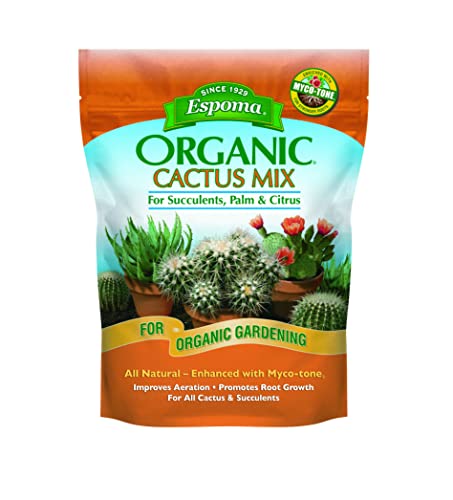
    Soil plays a vital role in the propagation of fruit trees. Use a well-draining potting mix to ensure adequate moisture without waterlogging, which can lead to rot. Aim for a pH level between 6.0 and 7.0, as this range supports nutrient availability.

    • Add organic matter: Incorporate compost or peat moss to enrich soil.
    • Test drainage: Ensure water drains freely; soil should not remain soggy.
    • Avoid heavy clay: Choose soil types that allow roots to spread easily.

    Light and Water Needs

    Proper light and water conditions significantly influence growth. Fruit trees thrive in bright, indirect sunlight. Position your cutting where it receives at least 6 to 8 hours of light daily.

    • Monitor moisture: Water the cutting when the top inch of soil feels dry.
    • Use filtered light: Protect young cuttings from harsh direct sunlight to prevent scorch.
    • Consider temperature: Maintain an ambient temperature between 65°F and 75°F for optimal rooting.

    Following these guidelines will set the stage for successfully growing a fruit tree from a branch.

    Tips for Better Results

    Successful propagation of fruit trees from branches hinges on careful planning and ongoing care. Follow these tips to improve your results.

    Recommended Products

    MIIIM 10 PCS Air Layering Propagation Kit with Zip Ties, Reusable Half Transparent Grafting Ball, Air Layering Pods Clear, Plant Rooting Grafting Box for Fast Propagation Plants (Medium)
    MIIIM 10 PCS Air Layering Propagation Kit with Zip Ties, Reusable Half Transparent Grafting Ball, Air Layering Pods Clear, Plant Rooting Grafting Box for Fast Propagation Plants (Medium)

    Simplify Process & Easy to Install: Our rooting ball make the process of packing the branches much easier than the old way of using plastic wrap. Corner buckles, bottom sheets & zip ties together fix the ball at the proper place without professional.

    MUST READ
    Can I Plant a Fruit Tree in Summer: Tips for Successful Planting and Care
    VIEW LATEST PRICE

    As an affiliate, we earn on qualifying purchases.

    PAMAZY 9Pcs Tree Root Growing Box - Drain Hole Air Layering Propagation Kit
    PAMAZY 9Pcs Tree Root Growing Box - Drain Hole Air Layering Propagation Kit

    [Air layering technique] Marcotting is a method of asexual propagation of plants. Applying the air layering technique, this rooting box promotes faster initial rooting and produces shoots with a 2x growth rate. It also helps to absorb more nutrients while keeping the branches in place, increasing the plant's survival rate.

    VIEW LATEST PRICE

    As an affiliate, we earn on qualifying purchases.

    ZALALOVA Garden Grafting Tool Kits, 2 in 1 Pruning Tools
    ZALALOVA Garden Grafting Tool Kits, 2 in 1 Pruning Tools

    PROFESSIONAL GARDENING GRAFTING TOOLS: Including 2 in 1 grafting pruning tools, 3 replaceable blades, a grafting knife, a screwdriver, a wrench, 2 grafting films, 160 rubber bands, 40 wide rubber bands, and 50 colorful tag cards

    VIEW LATEST PRICE

    As an affiliate, we earn on qualifying purchases.

    Choosing the Right Time of Year

    Choosing the optimal time for taking cuttings significantly affects your success rate. Late winter or early spring works best when the tree is dormant. During this period, energy reserves are high, boosting root development. For tree species like apple or cherry, aim for mid to late spring when the first signs of new growth appear. Avoid the heat of summer or the cold of winter, as extreme temperatures can reduce the chances of rooting.

    Maintenance Practices

    Implementing proper maintenance practices ensures your cutting thrives.

    1. Watering: Water the cutting immediately after planting. Keep the soil consistently moist but not waterlogged. Check daily; water only if the top inch of soil feels dry.
    2. Humidity: Use a plastic bag or a mini greenhouse setup to maintain humidity around the cutting. This approach helps reduce water loss and encourages rooting.
    3. Temperature: Maintain a warm environment, ideally between 65°F and 75°F. If temperatures drop too low, consider using a heating mat.
    4. Fertilizing: Wait at least four weeks before adding fertilizer. Start with a diluted, balanced liquid fertilizer to give your cutting a gentle nutrient boost as it establishes roots.
    5. Pruning: Monitor growth and prune any dead leaves or shoots. This action helps the plant focus its energy on root development.

    Following these tips can lead to better outcomes when growing a fruit tree from a branch. Consider your environment and tree type to tailor your approach for successful propagation.

    MUST READ
    How to Sweeten Fruit Trees: Simple Tips for a Tastier Harvest

    Conclusion

    Growing a fruit tree from a branch is a rewarding journey that can lead to a bountiful harvest right in your backyard. With the right approach and a bit of patience you can turn a simple cutting into a thriving tree. Remember to choose a healthy branch and provide the ideal conditions for growth.

    By nurturing your cutting with care and attention you’ll not only save money but also enjoy the satisfaction of watching your efforts bear fruit. So grab your pruning shears and get started on this exciting gardening adventure. You’ll be amazed at what you can achieve!

    Frequently Asked Questions

    Can I grow a fruit tree from a branch?

    Yes, you can grow a fruit tree from a branch by taking a healthy cutting and nurturing it. This process is known as propagation and can be a cost-effective way to expand your fruit garden.

    What are the best methods for propagating fruit trees?

    Common methods for propagating fruit trees include cuttings, grafting, and layering. Each method has its own set of steps and is suitable for different types of fruit trees.

    What type of branch should I use for cuttings?

    Choose a branch that is approximately 6 to 12 inches long, free from diseases, and cut during the dormant season for the best chance of rooting.

    How do I prepare a cutting for planting?

    Make a clean cut at a 45-degree angle, remove leaves from the lower half, apply rooting hormone, and then plant the cutting in a well-draining potting mix.

    What conditions do I need for the cutting to grow?

    Provide bright, indirect sunlight for 6 to 8 hours daily and use a well-draining potting mix with a pH level between 6.0 and 7.0. Monitor moisture and ensure the soil is appropriately dry.

    When is the best time to take cuttings for propagation?

    The optimal time to take cuttings is during late winter or early spring when the tree is dormant, as this increases the chances of successful rooting and growth.

    What types of fruit trees root well from cuttings?

    Apple, cherry, and pear trees are among the varieties that often root well from cuttings, making them ideal choices for propagation through branch cuttings.

    How can I ensure my new cutting thrives?

    Proper maintenance, including watering, humidity control, and temperature management, is crucial. Fertilizing and occasional pruning can also support healthy growth and development.

    Share. Facebook Twitter Pinterest LinkedIn Tumblr Email
    martha jackson
    Martha Jackson

      Martha Jackson is an accomplished freelance writer and editor with a strong interest in gardening. With a degree in English from the University of California, Berkeley, Martha has over 15 years of experience writing for a variety of publications. She is passionate about making gardening accessible to all and is always seeking out new techniques and innovations.

      Related Posts

      How Long Until Avocado Trees Bear Fruit and Tips for Faster Growth at Home

      February 20, 2025

      What Yellow Fruit Grows on Trees and Their Delicious Health Benefits

      February 20, 2025

      How to Air Layer Fruit Trees: A Step-by-Step Guide for Successful Propagation

      February 20, 2025

      When Do Grapefruit Trees Produce Fruit and How to Maximize Your Harvest

      February 20, 2025

      What Is a Fast Growing Fruit Tree: Discover Quick-Yield Options for Your Garden

      February 20, 2025

      Do Cherry Blossom Trees Have Fruit? Discover the Truth About Their Edibility and Benefits

      February 20, 2025
      Leave A Reply Cancel Reply

      Affiliate Disclosure

      As an Amazon Associate I earn from qualifying purchases.

      Recommended Reading

      How Much Water Does a Tangerine Tree Need? Essential Tips for Healthy Growth

      When Do Lychee Trees Fruit: A Guide to Timing and Care for Optimal Harvests

      Growing Apricot Trees in Fort Wayne, IN: Midwestern Success

      Do Japanese Cherry Trees Bear Fruit: Discover Their Unique Characteristics and Culinary Uses

      Growing Almond Trees in Virginia (Piedmont Success Secrets)

      When to Plant Fruit Trees in Colorado: Essential Tips for Thriving Gardens

      Can Avocado Trees Grow in Washington, DC? (City Backyard Guide)

      Cherry Trees in Phoenix, AZ: Desert Heat Survival Strategies

      Do All Lemon Trees Bear Fruit? Essential Tips for Growing Healthy Lemon Trees

      Best Fruit Trees for North Florida: A Guide to Thriving Orchards

      Fruit Tree Hub

      Fruit Tree Hub is a website dedicated to providing you everything you need to grow fruit trees successfully at in your own yard.

      Contact us at: [email protected]

      - AFFILIATE DISCLOSURE: As an Amazon Associate I earn from qualifying purchases.

      Latest Posts

      21 Colorful Halloween Crochet Motifs Featuring Pumpkins Bats and Black Cats

      23 Smart Halloween Crochet Ideas to Sell as Keychains and Coasters

      22 Fun Halloween Crochet Ideas Built Around Treat Bags and Hats

      23 Adorable Halloween Amigurumi Ideas Featuring Ghosts and Black Cats

      22 Compact Halloween Crochet Decorations for Shelves and Small Spaces

      19 Practical Halloween Crochet Decorations Designed for Tabletop Displays

      24 Cozy Halloween Crochet Decor Ideas Built Around Mantel Garlands

      19 Playful Kawaii Halloween Crochet Ideas Featuring Smiling Spooky Characters

      Categories
      • Almond Trees
      • Apple Trees
      • Apricot Trees
      • Best Fruit Trees
      • Blackberry
      • Cantaloupe
      • Cherry Trees
      • Crochet Ideas
      • Crochet Ideas for Beginners
      • Cucamelon
      • Easy Crochet Ideas
      • Easy Knitting Projects
      • Fall Crochet Ideas
      • Fig Trees
      • Grapefruit Trees
      • Grapes
      • Guava Trees
      • Halloween Crochet Ideas
      • Honeydew
      • Jujube Trees
      • Kiwi
      • Knitting For Beginners
      • Knitting Ideas
      • Knitting Inspiration
      • Lemon Trees
      • Lime Trees
      • Loquat Trees
      • Mango Trees
      • Mulberry Trees
      • Nectarine Trees
      • Olive Trees
      • Orange Trees
      • Papaya Trees
      • Peach Trees
      • Pear Trees
      • Persimmon Trees
      • Planting
      • Plum Trees
      • Pomegranate Trees
      • Quince Trees
      • Raspberry
      • Reviews
      • Small Crochet Ideas
      • Star Fruit Trees
      • Summer Crochet Ideas
      • Tamarind Trees
      • Tangerine Trees
      • Tips and Advice
      • Tools
      • Uncategorized
      • Walnut Trees
      © 2026 Fruit Tree Hub
      • Home
      • About Us
      • Contact
      • Privacy Policy
      • Terms and Conditions
      • Disclaimer
      • Editorial Policy
      • Affiliate Disclosure

      Type above and press Enter to search. Press Esc to cancel.