

Have you ever wondered why your orange tree isn’t bearing fruit? You’re not alone. Many gardeners face this frustrating issue, pouring time and care into their trees, only to be met with disappointment.
Key Takeaways
- Understand Pollination: Ensure proper pollination by planting various orange tree types and attracting pollinators with nearby flowers.
- Monitor Environmental Factors: Keep optimal temperature (55°F to 100°F) and maintain consistent soil moisture for healthy fruit development.
- Address Nutritional Needs: Provide essential nutrients (nitrogen, phosphorus, potassium) through balanced fertilizers and regularly test soil for deficiencies.
- Manage Pests and Diseases: Identify common pests (aphids, spider mites) and diseases (citrus canker, greening disease) to implement effective treatments quickly.
- Implement Care Practices: Regularly prune, water appropriately, and ensure good soil quality to promote a healthy, fruit-bearing orange tree.
Common Reasons for Lack of Fruit on Orange Trees
Understanding the reasons behind your orange tree’s lack of fruit is crucial. Several factors can contribute to this common gardening challenge.
Improper Pollination
Improper pollination can significantly affect fruit production on orange trees. Orange trees often rely on bees and other pollinators to transfer pollen between flowers. Without sufficient pollinator activity, fertilization will not occur.
- Ensure a Variety: Plant different varieties of orange trees to encourage cross-pollination.
- Attract Pollinators: Introduce flowers nearby that attract bees, like lavender or marigolds.
- Time Pollination: Monitor blooming times since flowering too early or late may reduce pollination chances.
Environmental Stressors
Environmental stressors can also lead to fruit production issues. Factors like temperature, water supply, and soil quality all play a role.
- Check Temperature: Orange trees thrive in temperatures between 55°F to 100°F. Extreme cold or heat can hinder fruit development.
- Maintain Soil Moisture: Keep the soil consistently moist but not waterlogged. Use mulch to retain moisture.
- Improve Soil Quality: Test soil pH to ensure it’s between 5.5 and 6.5. Amend soil with organic matter as needed.
By addressing these issues, you can improve your orange tree’s chances of producing fruit.
Nutritional Deficiencies
Nutritional deficiencies can impede fruit production in your orange tree. Ensuring your tree receives essential nutrients fosters healthy growth and improves fruit yield.
Recommended Products

Kindly NOTE: This soil tester can not be applied to test pH value of any other liquid. If the soil is too dry the indicator will not move, and water it before testing.

KNOW BEFORE YOU GROW | Grow the healthiest, sustainable lawn and garden with the most accurate and easy to use professional soil test kit on the market

Accurate Soil pH Testing: Dewildetradingco Soil pH Test Strips offer measurements of soil pH levels (pH 3.5-9). As an essential tool for every gardener and grower, these test strips help determine the optimal pH for various plants, such as outdoor plants, indoor plants, gardens, grass lawns, fruit trees, flowers, vegetables, and forest shrubs.
Essential Nutrients for Fruit Production
Nitrogen, phosphorus, and potassium are vital for fruit production.
- Nitrogen promotes leafy growth. It helps build robust foliage, which is crucial for photosynthesis.
- Phosphorus enhances root development and flower formation. Strong roots support nutrient uptake, while abundant flowers increase potential fruit.
- Potassium strengthens the plant’s overall health. It aids in regulating water retention and disease resistance.
Regularly testing the soil can reveal nutrient levels. If deficiencies exist, consider using balanced fertilizers that contain these essential nutrients.
Soil Health and pH Levels
Soil health plays a critical role in nutrient availability for orange trees.
- Soil Texture influences drainage and aeration. Loamy soil, which balances sand, silt, and clay, promotes healthy root systems and nutrient absorption.
- pH Levels affect nutrient uptake. Orange trees thrive in slightly acidic to neutral pH levels, ranging from 6.0 to 7.0. Testing your soil’s pH is recommended to ensure it falls within this range.
- Organic Matter improves soil health. Incorporating compost or well-rotted manure enriches the soil, boosts microbial activity, and enhances nutrient retention.
Amending soil based on these conditions fosters a thriving environment for fruit production on your orange tree.
Pest and Disease Issues
Pests and diseases can significantly hinder fruit production on your orange tree. Identifying and managing these issues helps ensure a healthy and fruitful tree.
Recommended Products

PEST DEFENSE - Insecticidal Super Soap controls species of adelgid, ant, aphid, borer, caterpillar, spider mite, cricket, chinch bug, weevil, fly, thrip, & more.
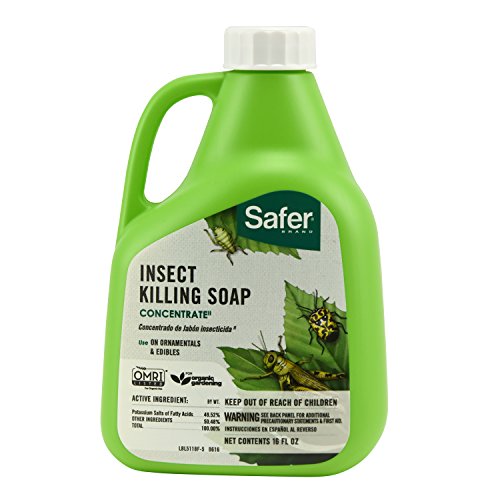
GENTLE ON MOST PLANTS - This aphid spray is ideal for use on flowers, herbs, vegetables, houseplants, lawn, tree, shrubs, and more

EASY TO USE: The ready-to-use indoor bug spray bottle makes application easy
Common Pests Affecting Orange Trees
- Aphids: Small, soft-bodied insects that suck sap from leaves, leading to weakened plants and poor growth. Check for clusters on new growth and use insecticidal soap for control.
- Spider Mites: Tiny, spider-like creatures that produce webbing and cause leaf discoloration. Increase humidity around the tree to deter them or apply miticides as needed.
- Scale Insects: Flat, oval-shaped pests that attach to branches and stems, draining nutrients. Scraping off scales with a knife or using horticultural oil can help manage infestations.
- Whiteflies: Small, white moth-like insects that feed on the underside of leaves. Yellow sticky traps can capture many adults, while insecticidal soap controls populations effectively.
- Citrus Canker: A bacterial disease causing lesions on leaves, stems, and fruit. These lesions can lead to fruit drop and reduced yield. Prune affected areas and avoid overhead watering to prevent spread.
- Powdery Mildew: A fungal disease presenting as a white powdery coating on leaves. It can stunt growth and reduce fruit set. Fungicides and improving air circulation around the tree can help manage this issue.
- Root Rot: Often caused by overwatering, this condition affects root health and tree vigor. Ensure proper drainage and avoid excessive moisture to prevent root rot. Using well-draining soil mixes promotes healthy roots.
- Greening Disease: A severe bacterial disease that disrupts nutrient transport within the tree. Look for yellowing leaves and misshaped fruit. Unfortunately, infected trees may require removal to prevent spread.
Regular inspections and prompt treatments ensure your orange tree remains healthy and productive.
Care and Maintenance Practices
Proper care and maintenance practices play an essential role in ensuring your orange tree produces fruit. Below, you’ll find crucial insights on pruning, watering, and fertilizing to enhance fruit production.
Pruning and Training Techniques
Pruning encourages healthy growth and improves air circulation. Start by removing dead or crossing branches. Focus on thinning dense areas to allow sunlight to penetrate the canopy. Aim for a vase-like shape that promotes airflow. Training the tree when it’s young can create a solid, sturdy structure. Use ties or stakes to guide branches, ensuring they’re spread out evenly. Regularly prune during the dormant season, typically late winter to early spring, to encourage new growth when it’s time for fruiting.
Watering and Irrigation Needs
Watering requirements differ based on age and climate. Young trees need deep watering every week, approximately 10-15 gallons, to establish deep roots. Mature trees require watering every 10-14 days, depending on rainfall and soil type. Drip irrigation systems provide consistent moisture and prevent overwatering. Ensure the soil remains moist but not waterlogged. Always check the top inch of soil before watering, as it should feel dry to the touch. Mulching around the base can help retain moisture and regulate soil temperature.
By applying these care and maintenance practices, you can significantly improve the chances of fruit production on your orange tree.
Conclusion
Getting your orange tree to bear fruit can feel like a challenge but don’t lose hope. By paying attention to pollination, environmental conditions, and soil health, you can create an ideal environment for fruit production.
Regular care and monitoring are key. With the right nutrients and pest management, your tree can thrive and reward you with delicious oranges. Remember that patience is essential in gardening. With a little effort and time, you might soon enjoy the fruits of your labor. Happy gardening!
Frequently Asked Questions
Why aren’t my orange trees producing fruit?
Many factors can lead to orange trees not producing fruit, including improper pollination, environmental stress, and nutritional deficiencies. It’s important to diagnose the specific issue affecting your trees to take appropriate action.
How can I encourage pollination for my orange trees?
To enhance pollination, plant different orange tree varieties nearby to encourage cross-pollination, attract bees and other pollinators with flowering plants, and monitor the blooming times of your trees for better synchronization.
What environmental factors affect my orange tree’s fruit production?
Temperature extremes, insufficient water supply, and poor soil quality can significantly hinder fruit production. Maintaining optimal temperatures, ensuring consistent soil moisture, and testing soil pH can help improve fruit yield.
Which nutrients are essential for healthy orange tree production?
Key nutrients for orange trees include nitrogen (for leafy growth), phosphorus (for root development and flower formation), and potassium (for overall health). Regular soil testing will help identify any deficiencies.
What is the ideal soil type and pH for orange trees?
Loamy soil that retains moisture and drains well is ideal for orange trees. A slightly acidic to neutral pH level (between 6.0 to 7.0) promotes optimum nutrient availability and plant health.
How do pests affect orange tree fruit production?
Pests like aphids and spider mites can damage orange trees, leading to poor fruit production. Regular inspections and quick treatments are essential to manage pests and maintain tree health.
What diseases should I watch for on orange trees?
Common diseases include citrus canker, powdery mildew, root rot, and greening disease. Identifying symptoms early and applying recommended treatments can help prevent these diseases from affecting your trees’ productivity.
How can I properly maintain my orange trees for better fruit production?
Focus on regular pruning to promote healthy growth and air circulation, deep watering practices, and consistent moisture levels. Using drip irrigation systems and mulch can also enhance care and support fruit production.
