

Have you ever wondered how long it takes for an apple tree to start producing fruit? If you’re thinking about planting one in your backyard, you’re not alone. Many people dream of enjoying fresh apples from their own trees, but the wait can be a bit frustrating.
Key Takeaways
- Time to Bear Fruit: Apple trees generally take between 3 to 6 years to produce fruit, with some dwarf varieties bearing earlier than standard ones.
- Variety Matters: Choosing the right apple tree variety significantly impacts fruit-bearing time; faster producers include ‘Gala’ (2-3 years) and ‘Honeycrisp’ (3-6 years).
- Growing Conditions: Optimal conditions such as adequate sunlight (6-8 hours daily) and well-draining soil are essential for healthy growth and timely fruit production.
- Regular Maintenance: Proper care practices, including annual pruning, regular watering, and fertilization, can enhance fruit quality and promote earlier yields.
- Pollination Needs: Cross-pollination with another apple tree can significantly increase fruit production, so consider planting multiple varieties.
- Soil Health: Conducting soil tests and applying appropriate fertilizers help maintain nutrient-rich soil essential for robust apple tree growth and fruiting.
Understanding Apple Trees
Apple trees (Malus domestica) are popular choices for home gardens. These deciduous trees thrive in temperate climates and produce delicious fruit. Understanding key factors about apple trees helps you cultivate a healthy tree that bears fruit effectively.
Growth Stages
Apple trees progress through various growth stages. Here’s a quick overview:
- Planting: Plant bare-root trees in late winter or early spring. Choose a sunny spot with well-drained soil.
- Establishment: Allow the tree to establish roots. This stage lasts about one to two years.
- Maturity: Most apple trees reach maturity between three to six years after planting. Varieties like Honeycrisp may take longer.
Factors Affecting Fruit Production
Several factors influence when your apple tree produces fruit:
- Tree Variety: Different varieties mature at different rates. For example, dwarf apple trees may bear fruit sooner than standard ones.
- Pollination: Cross-pollination with another apple tree enhances fruit production. Consider planting multiple varieties for best results.
- Care Practices: Regular watering, fertilization, and pruning support healthy growth. Adequate nutrition allows your tree to focus energy on fruiting.
Common Varieties and Their Timeframes
Here’s a table detailing some common apple tree varieties and their typical fruit-bearing timeframes:
| Variety | Years to Bear Fruit |
|---|---|
| Honeycrisp | 4-6 |
| Granny Smith | 4-6 |
| Fuji | 3-5 |
| Gala | 2-3 |
| Red Delicious | 4-6 |
Tips for Encouraging Fruit Production
To encourage your apple tree to bear fruit sooner:
- Select the Right Variety: Choose a variety suited to your climate.
- Provide Adequate Sunlight: Ensure your tree receives at least six hours of direct sunlight per day.
- Prune Annually: Prune your tree in late winter to promote healthy growth and shape the structure.
- Monitor for Pests: Keep an eye out for pests like aphids or apple maggots. Early intervention prevents damage.
Understanding these aspects of apple trees prepares you for a successful journey toward harvesting your own apples.
Factors Influencing Fruit Bearing
Several key factors determine when your apple tree starts bearing fruit. Understanding these influences helps you create the best conditions for your tree.
Recommended Products
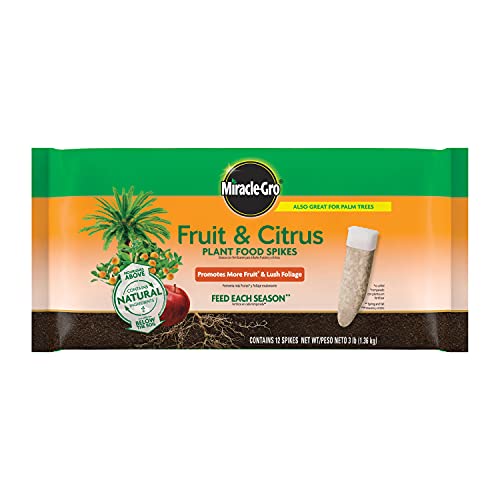
FORMULATED FOR CITRUS AND FRUIT TREES: Use these citrus fertilizer spikes on apple, orange, lemon, lime, and avocado trees; this formula is also great for feeding palm trees

Down to Earth Fruit Tree is a five pound box of all natural fertilizer with 6-2-4 formula and is listed by the Organic Materials Review Institute (OMRI) for use in organic production

Boosts Fruit & Nut Yields: True Fruit & Nut Food encourages productive tree growth, promoting bountiful harvests of fruits and nuts for your family table.
Tree Variety
Apple trees come in various types, each with its own timeframe for fruit production. Some varieties bear fruit within three years, while others may take up to six years or more. For example, the dwarf varieties often produce earlier than standard trees. If you’re eager to harvest, consider choosing early-bearing varieties like ‘Honeycrisp’ or ‘Gala.’
Growing Conditions
Growing conditions significantly impact how quickly an apple tree produces fruit. Factors like climate, soil quality, and sunlight exposure play a crucial role. Ensure your tree receives at least six to eight hours of sunlight daily. Significantly, well-draining soil enhances root growth, supporting fruit development. Regular care, including watering and fertilizing, further encourages healthy tree growth and earlier fruit production.
The Timeline for Apple Trees
Understanding the timeline for apple trees helps manage expectations when planting. Apple trees progress through various stages before yielding fruit, typically spanning several years.
Early Bearers vs Late Bearers
Early bearers produce fruit sooner than late bearers. Dwarf apple tree varieties often bear fruit in about two to three years post-planting. Standard-sized apple trees may take longer, commonly between four to six years. Popular early-bearing varieties include:
- Honeycrisp: Begins yielding within three years.
- Granny Smith: Fruits around three to four years.
- Gala: Harvest starts in roughly four years.
Late bearers typically offer larger yields but require more patience. Varieties such as:
- Fuji: Generally bears fruit at five to six years.
- Jonathan: Fruits after four to five years.
Knowing the difference between these types aids in selecting the right apple tree for your garden.
Average Years to First Fruit
The average time for apple trees to bear fruit lies between three to six years, depending on type and care. Factors impacting this timeline include:
- Tree Variety: Choose between dwarf and standard types.
- Growing Conditions: Ensure well-draining soil and adequate sunlight. Aim for six to eight hours of sunlight daily.
- Maintenance: Regular watering and annual pruning enhance growth and encourage earlier fruit production.
Here’s a summary of average years to first fruit for common apple varieties:
| Apple Variety | Average Years to First Fruit |
|---|---|
| Honeycrisp | 3 years |
| Granny Smith | 3-4 years |
| Gala | 4 years |
| Fuji | 5-6 years |
| Jonathan | 4-5 years |
By selecting the right variety and providing proper care, you boost your chances of enjoying fresh apples sooner.
Tips for Encouraging Fruit Production
Encouraging your apple tree to bear fruit involves several essential practices. Apply these tips to promote healthy growth and fruitful yields.
Recommended Products

Kindly NOTE: This soil tester can not be applied to test pH value of any other liquid. If the soil is too dry the indicator will not move, and water it before testing.

Quick, at home results for Soil pH, Nitrogen, Phosphorous and Potash Innovative and inexpensive soil test kit features an easy-to-use capsule system and patented color comparators
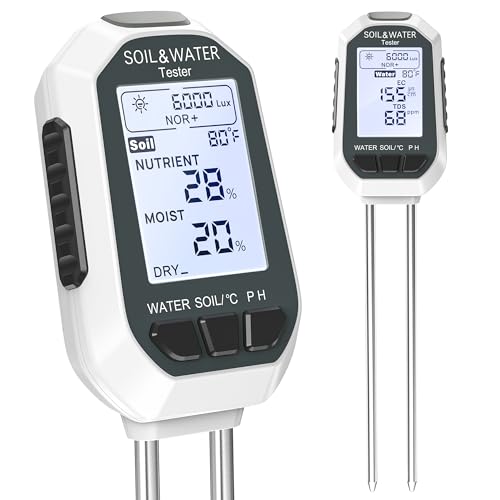
【7-in-1 Features】This is a 7-in-1 multi-function soil tester. Our soil tester quickly measures soil moisture, pH, temperature and light intensity, and its fertility function helps you take better care of your plants. With this device you can measure the soil moisture, pH, temperature and light intensity for your plants and with the EC and TDS functions you will know when it is time to water the soil.
Proper Pruning Techniques
Pruning your apple tree supports fruit production by improving light penetration and air circulation. Follow these steps for effective pruning:
- Choose the Right Time: Prune during late winter or early spring when the tree is still dormant.
- Remove Dead or Diseased Wood: Cut back any branches that appear lifeless or unhealthy.
- Thin Crowded Areas: Thin out branches to allow sunlight to reach the inner parts of the tree.
- Maintain a Central Leader: Keep the main trunk strong and focus on developing a few well-positioned branches.
- Shape the Tree: Aim for an open center shape to promote airflow and minimize disease risk.
Regular pruning enhances fruit quality and increases harvest size by ensuring the tree directs energy toward fruit production.
Fertilization and Soil Health
Maintaining healthy soil and proper fertilization is crucial for your apple tree’s growth. Here’s how to achieve optimal conditions:
- Test Your Soil: Conduct a soil test to determine pH levels and nutrient content. Aim for a pH between 6.0 and 7.0 for optimal growth.
- Choose the Right Fertilizer: Select a balanced fertilizer, ideally one with equal parts nitrogen, phosphorus, and potassium. Follow package instructions for application rates.
- Apply Fertilizer in Spring: Fertilize in early spring as the tree begins to leaf out, stimulating growth before the growing season starts.
- Use Organic Matter: Incorporate compost or well-rotted manure into the soil to enhance fertility and structure.
- Mulch Regularly: Apply organic mulch around the base of the tree to retain moisture, suppress weeds, and slowly add nutrients to the soil.
Healthy soil and proper fertilization strategies encourage robust growth and earlier fruit bearing from your apple tree.
Conclusion
Growing your own apple tree can be an exciting journey filled with anticipation. While it may take a few years for your tree to bear fruit patience and care will pay off in the end. By choosing the right variety and providing proper conditions you can help speed up the process.
Remember that each tree is unique and factors like sunlight soil quality and regular maintenance play a significant role in its growth. With the right approach you’ll soon find yourself enjoying the sweet rewards of your hard work. So keep nurturing your apple tree and look forward to those delicious homegrown apples in the seasons to come.
Frequently Asked Questions
How long does it take for an apple tree to produce fruit?
It generally takes apple trees about three to six years to bear fruit after planting. The exact timeline depends on the tree variety. Early bearers like Honeycrisp may yield fruit within two to four years, while late bearers, such as Fuji, could take four to six years.
What factors influence the fruit production of apple trees?
Several factors affect apple tree fruit production, including the tree variety, pollination, growing conditions (climate and soil quality), and care practices. Adequate sunlight, proper watering, and annual pruning also play crucial roles in encouraging fruit set.
How can I encourage my apple tree to produce fruit sooner?
To encourage earlier fruit production, select a variety known for quicker yields, ensure at least six to eight hours of sunlight daily, and practice good care routines. Regular watering, fertilizing, and proper pruning are essential for healthy growth and fruiting.
What are some recommended apple tree varieties for home gardens?
Popular apple tree varieties suitable for home gardens include Honeycrisp, Granny Smith (early bearers), and Fuji or Jonathan (late bearers). Choosing the right variety based on your climate and desired fruiting timeline can enhance your chances of success.
How can I improve the soil health for my apple tree?
Improving soil health involves testing for nutrients, using balanced fertilizers, adding organic matter, and applying mulch. This helps provide essential nutrients, retains moisture, and encourages strong root development, leading to healthier apple trees and better fruit production.
