

Have you ever wondered how long it takes for a pomegranate tree to bear fruit? If you’re thinking about planting one or already have a young tree, you’re likely eager to enjoy those juicy, vibrant seeds. The wait can feel long, especially when you’re excited about the delicious rewards.
Key Takeaways
- Fruit-Bearing Timeline: Pomegranate trees generally take about 3 to 5 years to start producing fruit, with some early varieties like ‘Angel Red’ maturing as quickly as 2 to 3 years.
- Growth Stages: The development cycle consists of three stages: Seedling (0-6 months), Juvenile (6 months – 3 years), and Mature Tree (3-5 years), which culminates in fruit production.
- Factors Affecting Fruiting: The variety of the tree, climate, and care practices significantly influence how quickly pomegranates will bear fruit.
- Optimal Care Practices: Essential care includes providing adequate sunlight, regular watering, fertilizing during the growing season, and annual pruning to enhance growth and fruiting.
- Monitoring Signs of Development: Look for honey-red blossoms in late spring as a precursor to fruit formation, which typically occurs after successful pollination.
- Patience is Key: While it may feel like a long wait, understanding the growth process and maintaining proper care will eventually lead to a fruitful harvest.
Understanding Pomegranate Trees
Pomegranate trees, known scientifically as Punica granatum, thrive in warm, sunny climates. They can reach heights of up to 30 feet but are often maintained at a more manageable size for easier harvesting. These trees are deciduous, shedding their leaves in fall and springing back to life with vibrant foliage.
Growth Timeline
You can expect a pomegranate tree to take between 3 to 5 years before it produces fruit. From the time you plant a young tree, patience is essential. The growth stage involves several phases:
- Seedling Stage: For the first year, the focus is on root development and leaf growth.
- Vegetative Stage: In years two and three, the tree grows taller and bushier, establishing overall structure.
- Fruit-Bearing Stage: Between years three and five, you’ll see blossoms, followed by the formation of fruit.
Factors Influencing Fruiting
Certain factors affect how soon your pomegranate tree bears fruit:
- Variety of Tree: Different pomegranate varieties mature at different rates. For instance, the Wonderful variety often fruits sooner than the Angel Red variety.
- Climate: Pomegranate trees thrive in USDA zones 7 to 10. Extreme cold can delay fruiting.
- Soil Quality: Well-draining soil enriched with organic matter promotes healthy growth and earlier fruiting.
Care Requirements
Proper care accelerates the timeline for fruit production. Here are key practices:
- Watering: Keep the soil consistently moist during the first year. Once established, pomegranates are drought-tolerant but benefit from deep watering during dry spells.
- Fertilizing: A balanced fertilizer, applied in early spring, supports healthy growth and accelerates fruiting.
- Pruning: Prune your tree annually to enhance air circulation and sunlight exposure, leading to more prolific flowering and fruit sets.
Signs of Fruit Development
Watch for specific signs indicating that your pomegranate tree is ready to produce fruit:
- Blossoms: Honey-red flowers will appear in late spring.
- Fruit Formation: After pollination, tiny fruitlets will develop, eventually swelling as they mature.
By understanding these aspects, you can better manage your expectations and practices surrounding pomegranate trees, making your fruit-bearing journey more rewarding.
Factors Influencing Fruit Bearing Time
Several factors impact how quickly a pomegranate tree produces fruit. Understanding these elements can help you manage your expectations and care routines effectively.
Recommended Products
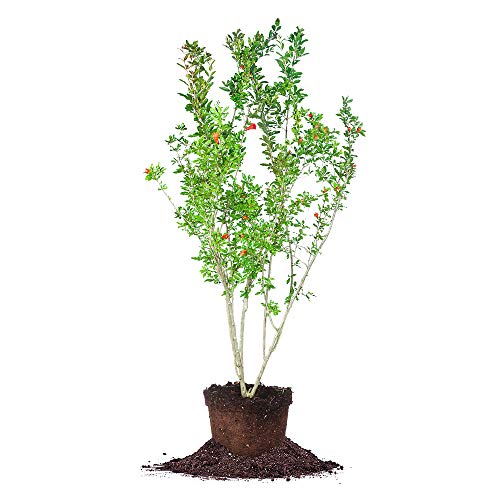
🙌The Wonderful Pomegranate tree lives up to its name with its tropical fruit, showy flowers, and low amount of overall maintenance. This Fruit tree is a joy to grow in any warm landscape.

The Russian Pomegranate tree lives up to its name with its edible fruit, showy flowers, and low amount of overall maintenance. This Fruit tree is a joy to grow in any warm outdoor landscape.
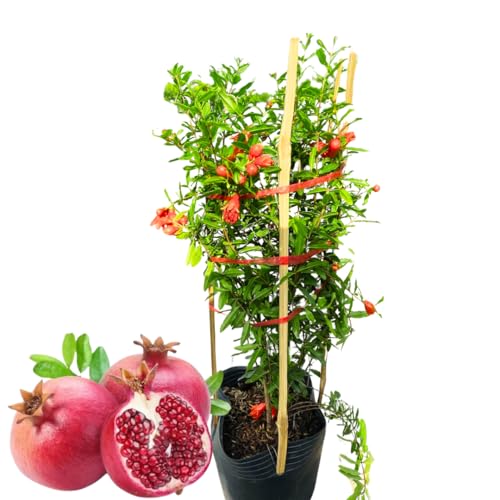
Receive 2 packs of well rooted plants, no pot
Climate and Environment
Climate plays a significant role in fruit production. Pomegranate trees thrive in warm, sunny conditions with temperatures ranging from 70°F to 85°F. Areas experiencing hot summers and mild winters often yield the quickest results. Ensure your tree receives full sunlight for at least six hours daily. Consider geographic location when planting; trees in USDA zones 8 to 11 typically perform best. Proper drainage is crucial, as pomegranates dislike soggy roots. If your area has heavy rainfall, plant in raised beds or pots to encourage drainage.
Tree Age and Variety
The age and variety of your pomegranate tree directly influence its ability to bear fruit. Most trees begin producing fruit between 3 to 5 years, but certain varieties might bear fruit sooner. For instance, ‘Wonderful,’ a common variety, often yields fruit around the 4-year mark. Conversely, other types, like ‘Angel Red,’ might take up to 6 years. Choose the right variety based on your climate and desired fruit characteristics. Be patient during the early years; as the tree matures, it develops a stronger structure to support heavier fruit loads. Remember that younger trees benefit from regular pruning, which encourages healthy growth and aids in early fruit production.
Growth Stages of a Pomegranate Tree
Understanding the growth stages of a pomegranate tree helps you anticipate when it’ll bear fruit. The journey includes three main stages: seedling, juvenile, and mature tree.
Seedling Stage
In the seedling stage, the pomegranate tree germinates from seeds or cuttings. After planting, it takes about two to four weeks for seedlings to emerge. Young plants require plenty of sunlight and consistent moisture. Keep the soil well-drained to avoid rot. During this phase, it’s essential to provide a warm environment, as pomegranate trees thrive in temperatures between 70°F and 80°F.
Juvenile Stage
The juvenile stage lasts from about six months to three years after planting. During this time, the tree develops its root system and foliage. Regular watering is crucial, especially in dry periods. Fertilizing with a balanced fertilizer can support healthy growth. You’ll notice new leaves and branches forming, but the tree typically won’t produce flowers yet. After about three years, some varieties may show early signs of blossoms, indicating fruit production isn’t far off.
Mature Tree Stage
The mature tree stage begins around three to five years post-planting. At this point, the tree reaches full height and starts producing flowers. You’ll start seeing bright orange to red blossoms appearing. Successful pollination leads to fruit set. The time from flower to fruit typically takes about six to seven months. Ensure proper care, including pruning to promote air circulation and maintaining nutrient-rich soil. Following these steps can enhance your chances of enjoying ripe pomegranates.
Average Timeframe for Bearing Fruit
A pomegranate tree typically takes about 3 to 5 years to start producing fruit. This timeline can vary based on several factors, including tree variety, climate, and care practices. Here’s a breakdown of the timeline and stages you can expect:
Recommended Products
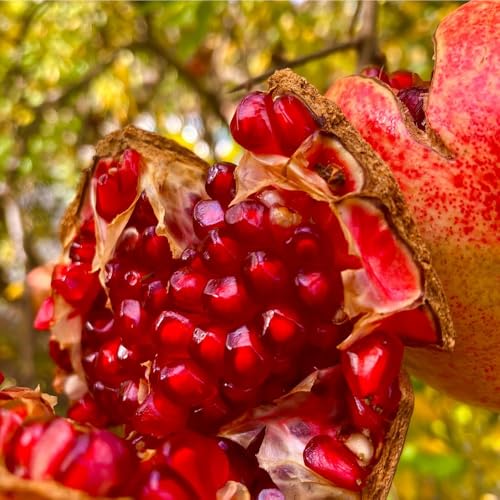
Product Quantity: 35+ organic pomegranate seeds per packet; Premium selection for optimal viability; Perfect for starting multiple trees to ensure successful germination

Easy to Care: These pomegrante plants are low maintenance and require minimal care. They thrive in well-draining soil and need regular watering.

Hardiness: Thrives in USDA Zones 7-10; prefers warm, sunny climates
Seedling Stage (0-6 Months)
- Pomegranate seeds germinate within a few weeks under ideal conditions.
- Young seedlings need plenty of sunlight and moisture.
Juvenile Stage (6 Months – 3 Years)
- The tree enters the juvenile stage where it focuses on root and leaf development.
- During this phase, you won’t see fruit or flowers, but healthy growth is crucial.
Mature Tree Stage (3-5 Years)
- Around three years post-planting, the tree starts transitioning to a mature stage.
- You’ll notice blossoming, which is an exciting sign that fruiting is near.
Factors Influencing Timeframe
- Variety: Some pomegranate varieties may bear fruit sooner, while others take longer.
- Climate: Trees thrive in warm, sunny environments with at least 6 hours of direct sunlight daily.
- Care: Proper watering, fertilizing, and pruning enhance growth and speed up fruit production.
- Early Fruiting Varieties: Some cultivars like ‘Angel Red’ can bear fruit within 2-3 years, ideal for quick results.
- Late Fruiting Varieties: Varieties like ‘Wonderful’ often take around 4-5 years to produce fruit but yield larger quantities.
By understanding these stages and factors, you can effectively nurture your pomegranate tree for a fruitful harvest.
Tips for Encouraging Fruit Production
- Choose the Right Variety
Select pomegranate varieties suited for your climate. Varieties like ‘Angel Red’ thrive in warmer areas and can bear fruit sooner, while ‘Wonderful’ may take longer but offers a robust harvest. - Ensure Adequate Sunlight
Position your tree in a spot that receives full sun for at least six hours a day. This exposure enhances growth and promotes flowering, both crucial for fruiting. - Water Wisely
Water deeply but infrequently. This encourages deep root growth. Aim for regular watering during dry spells, but allow the soil to dry out slightly between waterings to prevent root rot. - Fertilize Regularly
Use a balanced fertilizer during the growing season. Apply it in early spring and again in midsummer. This provides essential nutrients and can help boost fruit production. - Prune Thoughtfully
Prune your pomegranate tree during its dormant season. Focus on removing dead or crossing branches. Proper pruning encourages better air circulation and sun exposure, leading to healthier fruit development. - Monitor for Pests
Inspect your tree regularly for common pests like aphids or scale insects. Use organic pesticides or neem oil as needed to keep the tree healthy and productive. - Maintain Healthy Soil
Test your soil to ensure it drains well. Amend with organic matter or compost if necessary. Healthy soil supports strong roots and overall tree health, which is vital for fruit production. - Be Patient
Understand that it takes time for pomegranate trees to start bearing fruit. While some trees may yield sooner, most will take 3 to 5 years. Stay committed to their care, and the rewards will follow.
Recommended Products

Gentle Plant Wash Made with Neem Oil & Peppermint Oil

Protect your oasis with 3 garden products in 1 from Captain Jack’s; Bonide Captain Jack’s Ready-to-Use Neem Oil spray for plants is a multi-purpose fungicide, insecticide and miticide for your lawn & garden

100% Cold Pressed Neem Oil Concentrate- 3- in -1 insecticide, fungicide, & miticide for indoor & outdoor use
Conclusion
Growing a pomegranate tree can be a rewarding experience that takes a bit of patience. Once you’ve planted your tree you can expect to see those delicious fruits in about 3 to 5 years. Remember to provide the right care along the way to support its growth.
By choosing the right variety for your climate and giving it plenty of sunlight water and nutrients you’re setting the stage for a fruitful harvest. So hang in there and enjoy the journey. Your efforts will pay off when you finally get to savor the sweet juicy seeds of your very own pomegranates.
Frequently Asked Questions
How long does it take for a pomegranate tree to bear fruit?
Typically, a pomegranate tree takes between 3 to 5 years to produce fruit. However, some early-fruiting varieties, like ‘Angel Red,’ may yield fruit in just 2 to 3 years, while others, like ‘Wonderful,’ may take 4 to 5 years to mature.
What factors influence the fruiting of pomegranate trees?
The main factors include the tree variety, climate, and soil quality. Pomegranate trees thrive in warm, sunny environments that receive at least six hours of sunlight daily, which significantly impacts their fruit production.
What care do pomegranate trees need to produce fruit?
Proper care involves adequate watering, regular fertilizing during the growing season, and thoughtful pruning during dormancy. Monitoring for pests and maintaining healthy soil also support the tree’s growth and fruiting.
What are the stages of growth for a pomegranate tree?
Pomegranate trees go through three growth stages: seedling, juvenile, and mature. The seedling stage involves germination, the juvenile stage spans six months to three years without flowering, and the mature stage occurs around three to five years when fruit is produced.
Can I speed up the fruiting process of my pomegranate tree?
To encourage faster fruit production, select a variety suited for your climate, ensure full sunlight exposure, maintain healthy soil, and provide consistent watering and fertilizing. Patience and proper care are crucial in the early years.
