

Are pesky insects ruining your fruit harvest? You’re not alone. Many gardeners struggle with pests that seem to target their beloved fruit trees, leaving them frustrated and overwhelmed.
Key Takeaways
- Tanglefoot Overview: Tanglefoot is a non-toxic sticky substance designed to trap and control harmful insects on fruit trees, improving fruit health and yield.
- Application Timing: The best time to apply Tanglefoot is from late spring to early summer, just before fruit sets, to prevent pest infestations during critical development periods.
- Effective Pest Control: Tanglefoot effectively captures a variety of crawling pests, such as ants and aphids, by creating a barrier that disrupts their movement toward the trees.
- Safe and Eco-Friendly: Tanglefoot is safe for children, pets, and beneficial insects, making it a sustainable alternative to chemical pesticides.
- Regular Monitoring: Check Tanglefoot traps regularly to assess effectiveness and reapply as necessary, typically every 4 to 6 weeks, especially after rain.
- Proper Application Technique: Clean the area before application, use a masking tape barrier to protect the bark, and apply Tanglefoot evenly to ensure maximum coverage and effectiveness.
Overview of Tanglefoot
Tanglefoot is a sticky, non-toxic substance designed to trap pests that harm fruit trees. It serves as a barrier to insects, including ants, moths, and aphids. By applying Tanglefoot, you can significantly reduce pest populations on your trees, leading to healthier fruit production.
Recommended Products

Complete Tree Care Kit: Includes 15oz Tree Tanglefoot, 3"x50' Tree Wrap, and applicator tool for easy application

PROTECT 60 TREES FROM LANTERNFLIES AND OTHER PESTS. This bug tape doesn't only work as a spotted lanternfly trap, it will catch any insect that crawls up or down trees, like ants, caterpillars, maggots and beetles.

Ample Supply: you will receive 6 rolls of spotted lanternfly trap tape, with each roll measuring about 30 feet/9 M in length; The ample supply ensures enough material to last an entire season, easily covering large areas in your garden, yard, or greenhouse
Composition and Function
Tanglefoot consists of a sticky, thick material made from natural ingredients. This formulation enables it to adhere to tree trunks and branches effectively. When applied, it captures crawling insects and disrupts their movement, preventing them from reaching fruit and foliage.
Benefits of Using Tanglefoot
- Non-Toxic: Safe for use around children and pets, Tanglefoot poses minimal risk to the environment.
- Effective: Proven to reduce pest numbers quickly, Tanglefoot provides immediate results.
- Long-Lasting: Once applied, it remains tacky for several weeks, offering extended protection.
When to Apply Tanglefoot
- Spring to Early Summer: Apply Tanglefoot when pests emerge, typically in late spring. This timing coincides with active feeding periods for many insects.
- Before Fruit Development: Ideally, apply before fruit sets to prevent infestations from affecting development.
Application Tips
- Clean the Area: Remove any debris or old materials from the tree trunk.
- Apply Evenly: Use a putty knife or paintbrush to spread Tanglefoot in a uniform layer around the trunk. Ensure there’s a barrier at least six inches wide.
- Monitor Regularly: Check the traps weekly to assess pest capture. Replace or reapply as necessary, especially after heavy rain.
- Refresh as Needed: Reapply Tanglefoot every few weeks or after rainstorms to maintain effectiveness.
- Remove with Care: To remove the sticky substance, use vegetable oil on a cloth. Gently rub until the area is clean, preventing damage to the bark.
By incorporating Tanglefoot into your pest management routine, you can safeguard your fruit trees and enjoy a bountiful harvest free from insect damage.
Benefits of Using Tanglefoot
Using Tanglefoot offers significant advantages for protecting your fruit trees from pests.
Recommended Products
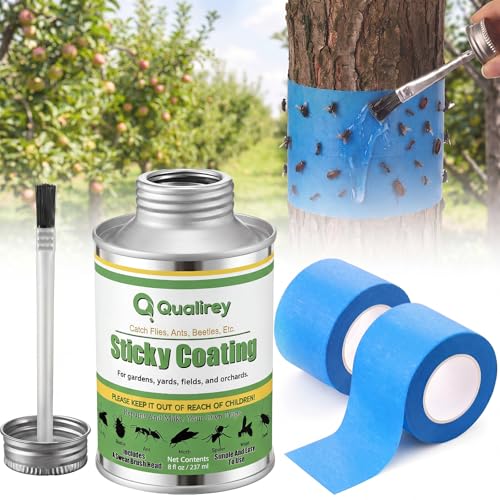
High Adhesion & Strong Weather Resistance: this insect trapping adhesive coating is made of the mixture of high viscosity resin and rubber, possessing great consistency and resisting dripping and running; It exhibits good heat resistance, sun resistance, and weather resistance, maintaining stable adhesion even in hot summers or prolonged outdoor use, effectively capturing flying insects

IMPRESSIVE TREE COVERAGE: Catchmaster's Tree Shield Insect Barrier is a heavy-duty crawling and flying insect trap. The tree shield measures 30 feet long, allowing you to protect more of your trees in less time. The 30-foot rolls can be easily cut to adapt to different tree and plant sizes throughout your property

GIANT BULK VALUE: Each giant fly sticky trap roll measures 30 FT x 10 IN, providing a total of 360 feet of extra-wide trapping surface. Comes with 20 clips for easy hanging and secure placement. Ideal for large-scale fly and flying insect control in homes, barns, greenhouses, garages, stables, and outdoor areas
Pest Control
Tanglefoot helps control a variety of pests that threaten your harvest. It captures crawling insects like ants, aphids, and various moth species, reducing their populations quickly. By disrupting their movement, Tanglefoot prevents pests from reaching the fruit and laying eggs. This barrier is particularly effective when applied early in the growing season, ensuring that your trees stay pest-free during critical development stages.
Environmentally Friendly
Tanglefoot is a non-toxic solution that poses minimal risk to beneficial insects and the environment. Unlike chemical pesticides, it doesn’t release harmful substances into the air or soil. This makes it a safer choice for gardeners who prioritize sustainability. You can use Tanglefoot confidently, knowing you’re protecting your trees while being kind to the surrounding ecology.
As you incorporate Tanglefoot into your pest management routine, you’ll notice healthier trees and a more fruitful harvest.
How to Apply Tanglefoot to Fruit Trees
Applying Tanglefoot correctly helps protect your fruit trees from pests effectively. Follow these steps for successful application.
Recommended Products

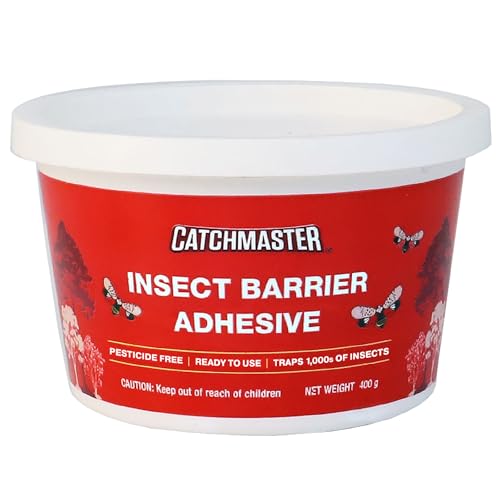
SAVE YOUR TREES: Our specially-formulated Insect Barrier Adhesive can be combined with standard plastic wrap to create tree band sticky traps for bugs. Tree bands are effective at controlling and monitoring invasive species like the spotted lanternfly, cankerworms, moths, black vine weevils, ants, caterpillars, and stink bugs, cicadas, cutworms and other crawling insects

Complete Tree Care Kit: Includes 15oz Tree Tanglefoot, 3"x50' Tree Wrap and applicator tool for easy application
Tools and Materials Needed
- Tanglefoot: Purchase enough to cover the target areas on your trees.
- Plastic or Cloth Gloves: Protect your hands while applying Tanglefoot.
- Stirring Stick: Use this to mix Tanglefoot if needed.
- Paintbrush or Spatula: For even application on the tree bark.
- Masking Tape or Plastic Wrap: Use this to shield the area around the application spot from Tanglefoot.
- Waste Containers: Keep containers handy for any waste or excess materials.
- Prepare the Area: Clear debris from around the base of the tree to create a clean work surface.
- Choose Application Height: Decide where you want to apply Tanglefoot. Apply it at least 18 inches above the ground to maximize effectiveness against pests.
- Apply Masking Tape: Use masking tape or plastic wrap around the trunk so the Tanglefoot doesn’t touch the tree bark directly. This helps prevent potential damage during application.
- Stir Tanglefoot: If needed, stir the Tanglefoot to ensure it’s consistent and ready for application.
- Use the Brush or Spatula: Dip the brush or spatula into the Tanglefoot, then apply it evenly around the trunk or selected area. Ensure a thick layer covers the surface. Aim for about 2-4 inches wide.
- Avoid Tanglefoot Overlap: Make sure the application does not overlap onto neighboring plants or areas where beneficial insects may reside.
- Monitor Regularly: Check the traps every few weeks. Refresh Tanglefoot as it loses its stickiness or collects debris.
- Remove Carefully: When it’s time to remove Tanglefoot, do so gently. Use a spatula to lift it from the tree, avoiding damage to the bark.
By using this process, you can effectively apply Tanglefoot to protect your fruit trees from unwanted pests.
Maintenance and Monitoring
Regular maintenance and monitoring ensure Tanglefoot remains effective on your fruit trees. Staying vigilant helps address pest problems quickly and promotes healthy tree growth.
Checking for Effectiveness
Check Tanglefoot traps every few days. Look for trapped insects to assess the trap’s effectiveness. If you notice a decline in catches, the Tanglefoot may require refreshing. Inspect the stickiness; if it appears dirty or dry, clean and reapply for optimal performance. Monitor the surrounding area for signs of pests, such as increased insect activity or damaged leaves. Spotting these issues early allows for timely intervention.
Reapplication Tips
Reapply Tanglefoot as necessary, typically every 4 to 6 weeks. Fresh applications maintain a strong barrier against pests. Before reapplying, remove the old Tanglefoot carefully to avoid damaging the tree bark. Use a soft cloth or plastic scraper to peel it off gently. Clean the trunk with warm soapy water to remove residue and ensure the new layer adheres properly. Apply in spring for best results, before peak pest activity, and maintain this schedule throughout the growing season. Doing so keeps your fruit trees protected and flourishing.
Conclusion
Applying Tanglefoot to your fruit trees is a smart way to protect your harvest from pesky insects. By following the steps outlined and keeping up with regular maintenance you can create a barrier that helps ensure a healthy crop.
Remember to monitor your traps and refresh the application as needed to keep it effective. With a little effort you’ll be on your way to enjoying a bountiful harvest free from insect damage. Embrace this eco-friendly solution and watch your fruit trees thrive!
Frequently Asked Questions
What is Tanglefoot and how does it work?
Tanglefoot is a sticky, non-toxic substance designed to trap crawling pests like ants, moths, and aphids. It forms a barrier on tree trunks and branches, capturing insects and preventing them from reaching fruit and laying eggs, helping to protect your harvest.
When should I apply Tanglefoot?
Tanglefoot should be applied from spring to early summer, ideally before fruit development. This timing ensures effective pest control by blocking insects before they can access the fruit.
How do I apply Tanglefoot effectively?
To apply Tanglefoot, gather gloves, a stirring stick, a paintbrush or spatula, and masking tape. Prepare the area, protect the tree bark with tape, stir Tanglefoot for consistency, and apply it evenly around the trunk at a suitable height.
How often should I refresh Tanglefoot?
It’s recommended to refresh Tanglefoot every 4 to 6 weeks. Regularly check for trapped insects and assess the trap’s effectiveness, refreshing it sooner if catches decline.
Is Tanglefoot safe for beneficial insects?
Yes, Tanglefoot is environmentally friendly and poses minimal risk to beneficial insects. It offers a safer alternative to chemical pesticides, helping to maintain a healthy ecosystem in your garden.
