

Ever wondered how long it takes for an apple tree to start producing fruit? If you’re dreaming of homegrown apples, you’re not alone. Many gardeners share the excitement of planting a tree, only to be curious about when they’ll finally see those delicious fruits.
Understanding the timeline of apple tree production can help you plan your garden better. This article will break down the factors that influence fruit-bearing years and give you a clear idea of what to expect. Whether you’re a seasoned gardener or just starting out, knowing when your apple tree will bear fruit can make all the difference in your gardening journey.
Key Takeaways
- Apple trees typically begin producing fruit between 3 to 5 years after planting, depending on the variety and growing conditions.
- Dwarf apple varieties may bear fruit sooner, usually within 2 to 3 years, while standard varieties often take 5 to 7 years.
- Adequate sunlight and soil quality are crucial; apple trees need at least 6 hours of sunlight daily for optimal growth.
- Proper maintenance practices like pruning and fertilization enhance fruit production and tree health.
- Most apple trees achieve full maturity and peak productivity between 7 to 10 years, yielding 100 to 300 apples annually, with some producing even more in ideal conditions.
- Regular monitoring for pests and maintaining good soil conditions will significantly support healthy fruit development.
Understanding Apple Trees
Apple trees typically start bearing fruit between 3 to 5 years after planting. Factors such as the tree variety and growing conditions play a significant role in this timeline.
Key Factors Affecting Fruit Production
- Tree Variety
Different apple tree varieties produce fruit at varying ages. Dwarf trees often bear fruit earlier, around 2 to 3 years, while standard trees might take 5 to 7 years. - Growing Conditions
Optimal sunlight, soil quality, and adequate watering influence fruit production. Ensure your apple tree receives at least 6 hours of sunlight daily.
Maintenance Practices
- Pruning
Pruning young trees encourages better airflow and sunlight penetration, promoting fruit production. Complete major pruning during dormancy, typically in late winter. - Fertilization
Use balanced fertilizers in early spring. Apply nitrogen-rich fertilizer for young trees to boost growth and fruiting potential. - Pest Control
Monitor for pests such as codling moths and aphids. Use organic pest control methods to minimize damage and support healthy fruit development.
Harvesting Expectations
Expect your apple tree to produce fruit within a few years of care. Most apple trees reach full maturity and optimal production within 7 to 10 years. Harvest times vary by variety, typically occurring in late summer to early fall.
Summary
Understanding your apple tree’s variety, providing proper care, and monitoring its growth are crucial for maximizing fruit production. Adjust your approach based on these factors to enjoy a bountiful harvest sooner.
Factors Influencing Fruit Bearing
Several factors influence when your apple tree begins to bear fruit. Understanding these factors can help you optimize your tree’s growth and your harvest time.
Recommended Products


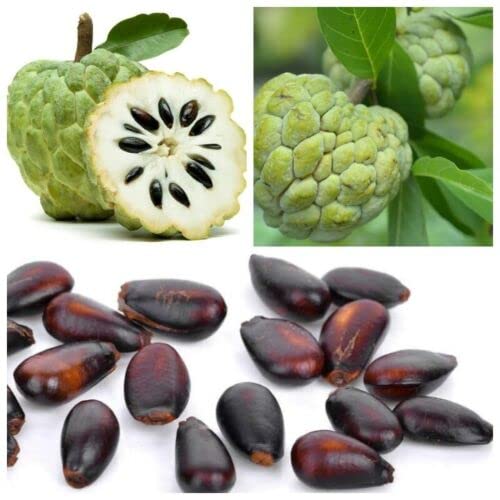
Fast Growing Tropical Fruit: Produces sweet creamy tropical fruit with rapid growth characteristics
Age of the Tree
The age of your apple tree plays a significant role in fruit production. Generally, apple trees start producing fruit between 3 to 5 years after planting. Dwarf varieties may yield fruit as early as 2 to 3 years, while standard trees may take 5 to 7 years. As your tree ages, its fruit production typically increases, reaching its peak around 7 to 10 years old.
Variety of the Apple Tree
Different varieties of apple trees have distinct fruit-bearing timelines. Some varieties are bred for early production and may bear fruit earlier than others. For example, early-season varieties like ‘Honeycrisp’ might start yielding within 3 to 4 years, whereas later varieties like ‘Granny Smith’ could take longer. Researching your specific variety can set proper expectations for when to anticipate your first apples.
Growing Conditions
Optimal growing conditions are crucial for fruit-bearing success. Apple trees thrive with at least 6 hours of sunlight daily and benefit from well-drained, nutrient-rich soil. Regular watering is essential, especially during dry periods. Additionally, practicing proper maintenance techniques such as pruning and fertilization can significantly enhance fruit yield. By providing ideal conditions, you encourage your apple tree to produce fruit more consistently and abundantly.
Timeline for Bearing Fruit
Apple trees typically bear fruit several years after planting. Timing varies based on tree variety and growing conditions.
Recommended Products
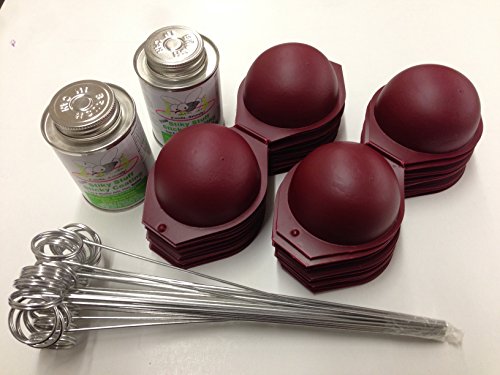
Effective way to capture damaging insects.

🌳 3-Pack Fruit Tree Bundle Includes live apple, blueberry, blackberry trees—perfectly paired for a diverse and productive backyard orchard.
Typical Years to First Fruit
Most apple trees start producing fruit between 3 to 5 years after planting. Dwarf varieties, like ‘Fuji’ or ‘Gala’, can bear fruit in just 2 to 3 years. Standard varieties, such as ‘McIntosh’ or ‘Red Delicious’, may take 5 to 7 years. Early-season cultivars yield fruit sooner, while late-season types require more time.
Mature Tree Productivity
As apple trees mature, their productivity increases. Between ages 7 to 10, trees reach peak fruit production. An established tree can produce 100 to 300 apples or more annually, depending on its variety and health. Some mature trees might yield over 500 apples in optimal conditions. Regular care, including pruning and fertilization, supports ongoing productivity and quality fruit.
Care and Maintenance for Fruit Production
Proper care and maintenance are crucial for maximizing fruit production in apple trees. Focus on techniques that enhance tree health and yield.
Recommended Products

Adjustable and Durable Handle - Extendable Loppers: The lopping shears are adjustable from 16 inches to 24 inches, allowing you to handle tall branches easily. The iron arm is more sturdy and durable, and will not bend even when cutting large and thick branches.

BYPASS LOPPERS FOR GREEN WOOD - These heavy-duty garden trimmers feature 6 pin-locked position stops and rubber grips. This style of garden cutter is designed for wet wood, great for trimming living branches and tree limbs.

CHOPS THROUGH 2-INCH BRANCHES EFFORTLESSLY: The compound action mechanism multiplies your cutting power for fast removal of dry, dead and woody growth. This anvil-style blade is built for the toughest preparatory cuts and cut-to-length work, making heavy-duty pruning dramatically easy through extra leverage.
Pruning Techniques
Pruning encourages healthy growth and fruit production in apple trees. Follow these techniques:
- Timing: Prune in late winter or early spring before new growth starts. This timing minimizes stress and promotes healing.
- Tools: Use clean, sharp tools like pruning shears and loppers. Clean cuts prevent disease.
- Removal: Cut dead, damaged, or crossing branches. Aim for an open center to allow sunlight and air circulation.
- Shaping: Shape the tree into a central leader structure. This helps balance energy use for growth and fruiting.
- Thinning: Thin the fruit clusters to about 4 to 6 inches apart. This practice reduces competition and improves fruit size.
Adhering to these techniques paves the way for more robust fruit production.
Soil and Fertilization
Soil quality significantly impacts fruit production. Focus on the following aspects:
- Soil Type: Choose well-drained, loamy soil rich in organic matter. This type encourages strong root development.
- pH Level: Test soil pH and aim for a range of 6.0 to 7.0. Adjust with lime for acidity or sulfur for alkalinity.
- Nutrient Balance: Use a balanced fertilizer with equal parts nitrogen, phosphorus, and potassium (N-P-K). Organic compost also enhances soil quality.
- Application Timing: Apply fertilizer in early spring as new growth appears. Follow package instructions for specific quantities.
- Watering: Ensure consistent moisture, especially during dry spells. Water deeply once a week rather than daily to encourage deep root growth.
Providing optimal soil conditions and appropriate fertilization directly supports healthy fruit production in your apple trees.
Conclusion
Growing your own apple tree can be a rewarding experience. Knowing when to expect fruit can help you plan and nurture your tree effectively. With the right care and conditions your apple tree will not only bear fruit but also thrive for many years.
As you watch your tree grow and develop over time you’ll find joy in the journey. Remember that patience is key. By understanding the specific needs of your apple tree and providing proper maintenance you’ll set the stage for a fruitful harvest. Enjoy the process and happy gardening!
Frequently Asked Questions
When do apple trees start producing fruit?
Apple trees usually begin bearing fruit between 3 to 5 years after planting. Dwarf varieties can produce fruit in as little as 2 to 3 years, while standard varieties typically take 5 to 7 years.
What factors affect an apple tree’s fruit production?
The main factors include the tree’s age, specific variety, and growing conditions. Trees generally increase fruit production as they mature, with optimal yields reached around 7 to 10 years.
How many apples can a mature apple tree produce?
A mature apple tree can produce between 100 to 300 apples annually, with some yielding over 500 apples under ideal conditions, depending on the variety and health of the tree.
What soil conditions do apple trees need?
Apple trees thrive in well-drained, nutrient-rich soil with a pH level between 6.0 to 7.0. Loamy soil is ideal for promoting healthy root development.
How important is sunlight for apple trees?
Apple trees require at least 6 hours of sunlight daily for successful fruit production. Adequate sunlight supports growth and enhances fruit quality.
What maintenance practices are necessary for healthy apple trees?
Key practices include regular pruning, proper fertilization, and consistent watering. Pruning should be done in late winter or early spring to promote air circulation and sunlight exposure.
When is the best time to harvest apples?
Harvest times vary by variety but generally occur in late summer to early fall. Early-season varieties like ‘Honeycrisp’ mature sooner than late-season ones like ‘Granny Smith’.
How can I maximize my apple tree’s fruit yield?
To maximize yield, provide proper care, including optimal soil conditions, regular watering, and timely pruning. Monitoring the tree’s health and variety specifics greatly enhances fruit production.
