

Ever wondered if you can grow fruit trees in the desert? You’re not alone. Many people dream of enjoying fresh, homegrown fruit, even in arid climates. The good news is that a variety of fruit trees thrive in these challenging conditions.
Key Takeaways
- Desert-adapted Fruit Trees: Certain fruit trees, such as fig, pomegranate, and date palms, are well-suited for desert climates due to their drought resistance and heat tolerance.
- Soil Requirements: Well-draining sandy or loamy soil with a pH between 6.0 and 7.0 is essential for fruit tree success in the desert.
- Effective Watering Practices: Implement deep watering less frequently, use drip irrigation, and apply mulch to retain moisture and promote deep root growth.
- Pest Management Essentials: Regular monitoring, encouraging natural predators, and using organic insecticides can protect fruit trees from common pests.
- Fertilization Techniques: Fertilize in early spring with a balanced fertilizer to enhance growth and monitor trees for signs of nutrient deficiency.
Understanding Desert Climate
Desert climates feature extreme temperature variations, limited rainfall, and intense sunlight. Temperatures can exceed 100°F (38°C) during the day, while falling to near freezing at night. This variability affects plant growth patterns.
Rainfall in desert areas averages less than 10 inches (25 centimeters) annually. The lack of moisture often leads to dry soil, creating challenges for fruit tree cultivation. However, certain trees adapt well to these conditions.
Intense sunlight can cause stress to many plants. Fruit trees that thrive in deserts often have reflective leaves or waxy coatings, minimizing moisture loss. You’ll also find that trees with deep root systems can tap into groundwater, providing a vital source of hydration.
When choosing fruit trees for desert climates, consider:
- Drought Resistance: Look for species that require less water.
- Heat Tolerance: Select trees that can withstand high temperatures.
- Soil Adaptability: Ensure trees can thrive in sandy or rocky soil.
Examples of fruit trees suited for desert climates include:
- Fig Trees: Require minimal water and can tolerate high temperatures.
- Pomegranate Trees: Thrive in arid conditions and produce vibrant fruit.
- Date Palms: Ideal for sandy soils and extreme heat.
Understanding the desert climate is crucial to successfully growing fruit trees. You can enjoy fresh produce by choosing the right varieties and caring for them properly.
Suitable Conditions for Fruit Trees
Growing fruit trees in the desert requires attentive consideration of specific conditions. Understanding these conditions helps ensure successful cultivation of fresh produce.
Recommended Products

Be a Gardening Master with the help of our superior and complete Drip Irrigation Kit: 10 Drip Irrigation Emitters Vortex + 20 Drip Emitters Spray + 50ft flexible & durable 5/16 irrigation tubing + 50ft 1/4 inch Drip Irrigation Tubing + 12 tubing coupler + 5 ¼ Tubing Tee Splitter + Tubing End Plugs + Water Connector + 1 x Complete Instructions Guide Hard Copy + 2 Grow your Own Vegetables & Fruits Guide full with pieces of advice and practical tips Digital Format.
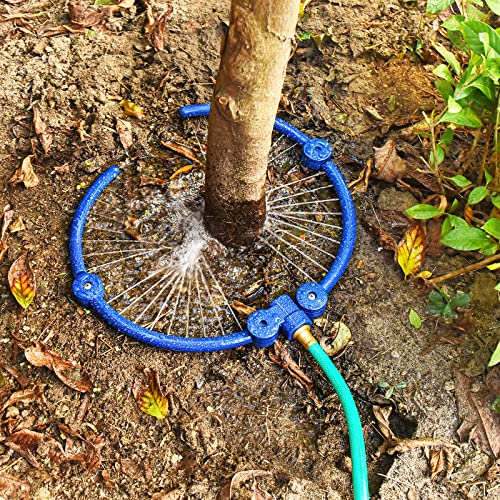
【Specially Designed for Trees and Shrubs】 The Watering Ring is a multi-purpose irrigation ring that attaches to a garden hose to efficiently water young trees shrubs vegetables or flower beds using drip or trickle irrigation.It directs water to the root perimeter of the plant to give them a good start during the first two growing seasons or through periods of drought.

Quick Connect Design: Newly Upgraded Quick Connect Irrigation System Say Goodbye to Complicated Settings! Our upgraded 4-way connectors, tees, and nozzles can now be easily connected directly to 1/4 "irrigation pipes. No more trouble with heating or softening - just plug and play!
Soil Requirements
Fruit trees thrive in well-draining soil. Sandy or loamy soil often works best for desert conditions. Consider the following:
- pH Level: Aim for a pH level between 6.0 and 7.0. Test the soil for acidity and alkalinity.
- Organic Matter: Incorporate organic matter, such as compost, to improve soil structure and nutrient content.
- Nutrient Balance: Use balanced fertilizers to support healthy growth.
- Drainage: Ensure good drainage to prevent root rot, especially with heavy rainfall.
Watering Practices
Watering practices significantly influence fruit tree success in desert climates. Consider these essential practices:
- Deep Watering: Water deeply and less frequently to encourage deep root growth. This method enhances drought resistance.
- Timing: Water early in the morning or late in the evening to minimize evaporation.
- Drip Irrigation: Install drip irrigation systems to deliver water directly to the roots. This approach reduces water waste.
- Mulching: Apply a layer of mulch around the base of the trees to retain soil moisture and regulate temperature.
By optimizing soil and watering conditions, you can successfully grow fruit trees in desert environments.
Popular Fruit Trees in Desert Environments
Several fruit trees thrive in desert environments, providing fresh options for arid landscapes. Here are some of the most popular choices.
Citrus Trees
Citrus trees, including lemon, orange, and grapefruit, excel in desert climates. They need full sun and well-draining soil to flourish. Choose varieties suited to heat, like the ‘Valencia’ orange or ‘Eureka’ lemon. For optimal growth, water deeply but less frequently. This practice encourages deep root development. Fertilize with a balanced fertilizer during the growing season to promote healthy fruit production.
Pomegranate Trees
Pomegranate trees thrive in hot, dry conditions. They are drought-tolerant once established and can produce abundant fruit. The ‘Wonderful’ variety is particularly popular for its large, sweet fruits. Plant pomegranates in well-draining soil, and give them plenty of sunlight. Water them regularly during the first year to help root establishment. After that, switch to deep watering during dry spells.
Fig Trees
Fig trees, particularly varieties like ‘Brown Turkey’ and ‘Kadota’, are ideal for desert regions. They thrive in warm weather and adapt well to sandy soils. Provide these trees with plenty of sunlight and water them deeply, allowing the soil to dry out between waterings. Mulching around the base of the tree helps retain moisture. Figs are resilient and can handle dry spells, making them excellent choices for less frequent watering schedules.
Tips for Growing and Maintaining Desert Fruit Trees
Growing fruit trees in desert conditions requires specific strategies for success. Understanding pest management and fertilization techniques plays a vital role in maintaining healthy trees.
Recommended Products

READY-TO-USE CONTACT SPRAY: No mixing required. Thoroughly spray insecticide on all plant parts, including the underside of leaves. Pests must be sprayed directly to achieve control

PEST DEFENSE - Insecticidal Super Soap controls species of adelgid, ant, aphid, borer, caterpillar, spider mite, cricket, chinch bug, weevil, fly, thrip, & more.

INSECT KILLER: BioAdvanced Organics Brand Neem Oil spray controls aphids, whiteflies, spider mites, and other listed pests
Pest Management
Pest management is essential for protecting your fruit trees. Common pests such as aphids, spider mites, and scale insects can pose challenges.
- Regular Monitoring: Check your trees weekly for any signs of pests or damage.
- Natural Predators: Encourage beneficial insects like ladybugs and lacewings that feed on harmful pests.
- Organic Insecticides: If necessary, use organic solutions like neem oil or insecticidal soap for targeted treatments.
- Traps: Use sticky traps to catch pests early and reduce their population.
- Cleanliness: Keep the area around your trees clean. Remove fallen fruit and debris to prevent pest infestation.
Fertilization Techniques
Proper fertilization boosts growth and fruit production.
- Timing: Fertilize your trees in early spring before new growth starts.
- Balanced Fertilizer: Choose a balanced, slow-release fertilizer with a ratio of nitrogen, phosphorus, and potassium (like 10-10-10).
- Application: Apply the fertilizer at the base of the tree, following package instructions for the amount.
- Mulching: Add a layer of organic mulch around the base to support nutrient retention and soil moisture.
- Observation: Monitor your trees for signs of nutrient deficiency, including yellowing leaves or stunted growth.
By focusing on pest management and fertilization, you can cultivate thriving fruit trees in desert climates.
Conclusion
Growing fruit trees in the desert is entirely possible with the right approach. By choosing the right varieties and understanding their specific needs you can enjoy fresh, delicious fruit even in arid conditions.
Remember to focus on soil quality and proper watering techniques to help your trees thrive. With a little patience and care your efforts will yield a bountiful harvest.
So go ahead and embrace the challenge of desert gardening. You’ll be rewarded with the joy of nurturing your own fruit trees and savoring the fruits of your labor. Happy gardening!
Frequently Asked Questions
Can fruit trees grow in desert climates?
Yes, several types of fruit trees can thrive in desert environments. Drought-resistant and heat-tolerant species, such as fig trees, pomegranate trees, and date palms, are well-suited for arid conditions. Proper care and selection are essential for successful growth.
What are the key characteristics of desert climates?
Desert climates are marked by extreme temperature variations, limited rainfall, and intense sunlight. These factors can affect plant growth, making it crucial to choose appropriate fruit tree varieties and care practices tailored to these harsh conditions.
What soil do fruit trees need in desert regions?
Fruit trees in desert areas thrive in well-draining sandy or loamy soil with a pH level between 6.0 and 7.0. Incorporating organic matter and balanced fertilizers can enhance soil quality, promoting healthy growth and fruit production.
How should I water fruit trees in a desert?
Deep watering techniques are recommended for fruit trees in desert climates. Timing watering to minimize evaporation, using drip irrigation systems, and applying mulch to retain moisture are effective practices for ensuring trees receive adequate hydration.
Which fruit trees are best for desert environments?
Popular fruit trees that thrive in desert conditions include citrus trees (like ‘Valencia’ oranges and ‘Eureka’ lemons), pomegranate trees (such as the ‘Wonderful’ variety), and fig trees (like ‘Brown Turkey’ and ‘Kadota’). These varieties are well-adapted to arid climates.
How can I manage pests on my fruit trees?
Regular monitoring for pests is crucial. Encourage natural predators, and use organic insecticides when necessary. Keeping the area around the trees clean helps prevent infestations, ensuring healthy fruit tree growth.
When should I fertilize my desert fruit trees?
Fertilize fruit trees in early spring using a balanced, slow-release fertilizer. Applying organic mulch can also help retain nutrients and support healthy growth throughout the growing season.
