
Close Menu
    Fruit Tree Hub
    • Home
    • Apple Trees
    • Lemon Trees
    • Mango Trees
    • Orange Trees
    • More Trees
      • Best Fruit Trees
      • Apricot Trees
      • Cherry Trees
      • Fig Trees
      • Lime Trees
      • Mulberry Trees
      • Peach Trees
      • Pear Trees
      • Plum Trees
      • Pomegranate Trees
    • Tips and Advice
      • Tools
    • About Us
      • Contact
      • Privacy Policy
    Fruit Tree Hub
    Home»Climbing Fruit»Cantaloupe»Can Chickens Eat Cantaloupe Seeds? Discover Safe & Healthy Foods for Your Flock
    Cantaloupe

    Can Chickens Eat Cantaloupe Seeds? Discover Safe & Healthy Foods for Your Flock

    Lucy SmithBy Lucy SmithJuly 18, 20247 Mins Read
    Share Facebook Twitter Pinterest WhatsApp Email
    Share
    Facebook Twitter LinkedIn Pinterest Telegram Email

    Ever wondered if chickens can munch on cantaloupe seeds? Picture this: you’re enjoying a juicy slice of cantaloupe on a sunny day, and your curious feathered friends start pecking around. Should you share the seeds with them? In this article, we’ll explore whether chickens can safely indulge in these tasty treats.

    Contents show
    1 Key Takeaways
    2 Understanding Chicken Diets
    2.1 What Do Chickens Typically Eat?
    2.2 Safe and Unsafe Foods for Chickens
    3 Can Chickens Eat Cantaloupe Seeds?
    3.1 Nutritional Value of Cantaloupe Seeds
    3.2 Potential Risks of Feeding Cantaloupe Seeds to Chickens
    4 How to Safely Introduce Cantaloupe Seeds to Chickens
    4.1 Preparing Cantaloupe Seeds for Your Chickens
    4.2 Observing Your Chickens After Feeding Them Cantaloupe Seeds
    5 Additional Healthy Treats for Chickens
    5.1 1. Fruits and Vegetables
    5.2 2. Grains
    5.3 3. Mealworms or Insects
    5.4 4. Yogurt
    5.5 5. Herbs
    6 Conclusion
    7 Frequently Asked Questions
    7.1 What should chickens eat for their well-being?
    7.2 Are there any foods that are toxic to chickens?
    7.3 Why is it important to provide a varied diet for chickens?

    You might be surprised to learn about the potential benefits of feeding cantaloupe seeds to your chickens. Understanding what they can eat is essential for their well-being. So, sit back, relax, and let’s uncover the facts together.

    Key Takeaways

    • Chickens are omnivores and can eat a variety of foods, including grains, seeds, vegetables, fruits, and protein sources.
    • Safe foods for chickens include leafy greens, fruits like berries and melons (including cantaloupe flesh), grains such as corn or oats, and protein sources like mealworms or scrambled eggs.
    • Cantaloupe seeds offer nutritional benefits for chickens but may pose risks like choking hazards if not properly prepared or excessive consumption leading to digestive issues.
    • When introducing cantaloupe seeds to chickens, ensure they are prepared by removing pulp, drying them thoroughly, and monitoring the birds for any adverse reactions afterward.
    • In addition to cantaloupe seeds, other healthy treats for chickens include fruits and vegetables rich in vitamins and antioxidants, whole grains for energy, mealworms for protein, yogurt for probiotics, and herbs with antibacterial properties.
    MUST READ
    Can Chickens Have Cantaloupe Seeds: Nutritional Benefits and Feeding Guidelines

    Understanding Chicken Diets

    When it comes to understanding chicken diets, knowing what chickens typically eat and identifying safe and unsafe foods for them is crucial for their overall health. Let’s delve into these aspects to ensure you’re providing your feathered friends with the best nutrition possible.

    What Do Chickens Typically Eat?

    Chickens are omnivores, meaning they consume both plant matter and small insects. A typical chicken diet consists of a combination of grains, seeds, vegetables, fruits, and protein sources like bugs or worms. Commercial chicken feed formulated specifically for their nutritional needs is also commonly used to supplement their diet.

    Safe and Unsafe Foods for Chickens

    While chickens have diverse dietary preferences, some foods are safe for them in moderation while others can be harmful. Safe foods include leafy greens, fruits like berries and melons (including cantaloupe flesh), grains such as corn or oats, and protein sources like mealworms or scrambled eggs.

    On the other hand, avoid feeding chickens toxic foods like avocado pits or skins, raw beans containing lectins that are poisonous to birds, moldy or rotten food that can cause illness, salty snacks that lead to dehydration, as well as sugary treats that may disrupt their digestive system.

    By being mindful of what you feed your chickens based on their natural dietary habits and avoiding harmful items in their diet, you can help ensure they stay healthy and happy.

    Can Chickens Eat Cantaloupe Seeds?

    When it comes to feeding your chickens, you may wonder if cantaloupe seeds are a safe option. Let’s explore the facts regarding whether chickens can eat cantaloupe seeds.

    Recommended Products
    Hale’s Best Cantaloupe Seeds for Planting, Heirloom Muskmelon - 1 Pack
    Hale’s Best Cantaloupe Seeds for Planting, Heirloom Muskmelon - 1 Pack

    HEIRLOOM CANTALOUPE SEEDS – Enjoy classic homegrown flavor with sweet, juicy orange flesh and a small seed cavity for plenty of delicious fruit in every harvest from this beloved heirloom cantaloupe

    MUST READ
    How to Prepare Cantaloupe Seeds for Planting: Tips for Cleaning, Testing, and Storage
    VIEW LATEST PRICE

    As an affiliate, we earn on qualifying purchases.

    50 Minnesota Midget Cantaloupe Seeds for Planting Heirloom Non GMO 1.5+ Grams Garden Vegetable Bulk Survival Hominy
    50 Minnesota Midget Cantaloupe Seeds for Planting Heirloom Non GMO 1.5+ Grams Garden Vegetable Bulk Survival Hominy

    Cantaloupe seeds garden seeds vegetable seeds bulk

    VIEW LATEST PRICE

    As an affiliate, we earn on qualifying purchases.

    25 Minnesota Midget Cantaloupe Seeds for Planting Heirloom Non GMO 0.75+ Grams Garden Vegetable Bulk Survival Hominy
    25 Minnesota Midget Cantaloupe Seeds for Planting Heirloom Non GMO 0.75+ Grams Garden Vegetable Bulk Survival Hominy

    Cantaloupe seeds garden seeds vegetable seeds bulk

    VIEW LATEST PRICE

    As an affiliate, we earn on qualifying purchases.

    Nutritional Value of Cantaloupe Seeds

    Cantaloupe seeds offer various nutritional benefits for chickens. They are rich in essential nutrients such as protein, healthy fats, fiber, and vitamins like vitamin E. These nutrients play a vital role in supporting your chickens’ overall health and well-being.

    Potential Risks of Feeding Cantaloupe Seeds to Chickens

    While cantaloupe seeds provide nutritional value, there are potential risks associated with feeding them to chickens. The main concern is the size of the seeds, which could pose a choking hazard if not properly crushed or ground before consumption. Additionally, excessive consumption of cantaloupe seeds might lead to digestive issues in some chickens.

    By understanding both the nutritional benefits and risks involved in feeding cantaloupe seeds to your chickens, you can make an informed decision that prioritizes their health and safety. Remember always to consider moderation and proper preparation when introducing new foods into your chicken’s diet.

    How to Safely Introduce Cantaloupe Seeds to Chickens

    When it comes to feeding cantaloupe seeds to your chickens, there are a few key steps you should follow to ensure their safety and enjoyment.

    Recommended Products
    30 Honey Rock Cantaloupe Seeds for Planting Heirloom Non GMO 1+ Gram of Melon Seeds Garden Vegetable Bulk Survival
    30 Honey Rock Cantaloupe Seeds for Planting Heirloom Non GMO 1+ Gram of Melon Seeds Garden Vegetable Bulk Survival

    Cantaloupe seeds garden seeds vegetable seeds bulk

    MUST READ
    How to Plant Fresh Cantaloupe Seeds: A Complete Guide for Successful Growth
    VIEW LATEST PRICE

    As an affiliate, we earn on qualifying purchases.

    50 Hales Best Jumbo Cantaloupe Seeds for Planting Non GMO Heirloom Seeds Fresh Fruit Garden Seed
    50 Hales Best Jumbo Cantaloupe Seeds for Planting Non GMO Heirloom Seeds Fresh Fruit Garden Seed

    Name: Hales Best Jumbo Melon | Type: Heirloom
    VIEW LATEST PRICE

    As an affiliate, we earn on qualifying purchases.

    50 Hale's Best Cantaloupe Seeds for Planting - Sweet Aromatic Heirloom, Non-GMO, USA Grown by RDR Seeds
    50 Hale's Best Cantaloupe Seeds for Planting - Sweet Aromatic Heirloom, Non-GMO, USA Grown by RDR Seeds

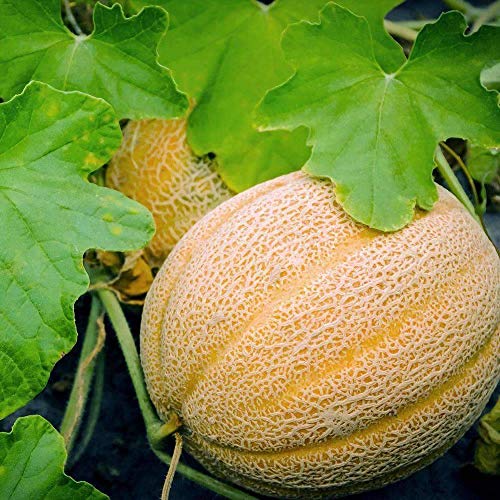
    Hale's Best Jumbo Heirloom Cantaloupe - Sweet, aromatic orange flesh; classic netted rind; open-pollinated California heirloom since the 1920s; Non-GMO; ideal for fresh slicing and seed saving. Cucumis melo var. reticulatus.

    VIEW LATEST PRICE

    As an affiliate, we earn on qualifying purchases.

    Preparing Cantaloupe Seeds for Your Chickens

    To prepare cantaloupe seeds for your chickens, start by scooping out the seeds from the fruit. Rinse them thoroughly to remove any pulp or residue. Next, allow the seeds to dry completely before offering them to your chickens. Dried cantaloupe seeds can be a tasty treat that provides additional nutrients to your flock.

    Observing Your Chickens After Feeding Them Cantaloupe Seeds

    After introducing cantaloupe seeds to your chickens’ diet, it’s essential to observe their behavior and health. Watch for any signs of digestive issues such as diarrhea or discomfort. Monitor their overall well-being and appetite after consuming the seeds. If you notice any adverse reactions, discontinue feeding the seeds immediately and consult with a veterinarian if necessary.

    By following these simple guidelines for preparing and monitoring cantaloupe seed consumption, you can safely introduce this nutritious snack to your feathered friends while ensuring their health and happiness.

    Additional Healthy Treats for Chickens

    When it comes to treating your chickens, there are several healthy options you can consider adding to their diet. Providing a varied diet not only keeps your chickens happy but also ensures they receive essential nutrients. Here are some additional treats you can offer your feathered friends:

    MUST READ
    Growing Cantaloupe in Small Spaces: Tips for Sweet Success

    Recommended Products

    Vital Essentials Freeze Dried Dog Treats, Chicken Breast, 3.75 oz Bag
    Vital Essentials Freeze Dried Dog Treats, Chicken Breast, 3.75 oz Bag

    FREEZE-DRIED RAW CHICKEN BREAST DOG TREAT: Vital Essentials Freeze Dried Dog Treats pack more protein than industry standard into every bite to deliver the peak vitality your dog deserves. Our natural freeze-dried raw dog treats are made from responsibly sourced, premium butcher cut chicken breast.

    VIEW LATEST PRICE

    As an affiliate, we earn on qualifying purchases.

    Jungle Calling Freeze Dried Chicken Cat & Dog Treats, 670 Pcs, 10.58 oz
    Jungle Calling Freeze Dried Chicken Cat & Dog Treats, 670 Pcs, 10.58 oz

    PREMIUM QUALITY FREEZE DRIED CHICKEN: Selected high quality chicken is vacuum freeze-dried at ultra-low temperature to maintain the nutrition and taste

    VIEW LATEST PRICE

    As an affiliate, we earn on qualifying purchases.

    A Better Treat – Organic Freeze Dried Chicken Breast Dog Treats, Organic, Single Ingredient | Natural Healthy High Value | Gluten Free, Grain Free, High Protein, Diabetic Friendly | Made in The USA
    A Better Treat – Organic Freeze Dried Chicken Breast Dog Treats, Organic, Single Ingredient | Natural Healthy High Value | Gluten Free, Grain Free, High Protein, Diabetic Friendly | Made in The USA

    THE FIRST AND ONLY ORGANIC SINGLE INGREDIENT TREATS – Our line of organic treats are the first single ingredient organic treats on the market. Organic chicken breast is a great high value treat, stomach soothing, and is packed with protein. They are non-greasy – perfect for training, as a food topper, or simply a heavenly reward.

    VIEW LATEST PRICE

    As an affiliate, we earn on qualifying purchases.

    1. Fruits and Vegetables

    Including fruits and vegetables in your chickens’ diet can be a great way to offer them a nutritious treat. Consider giving them treats like berries, apples, carrots, or leafy greens. These foods provide vitamins, minerals, and antioxidants that contribute to their overall health.

    2. Grains

    Grains are another excellent option for treating your chickens. You can give them whole grains like oats, barley, or wheat as a tasty snack. Grains are a good source of carbohydrates and energy for chickens, keeping them active throughout the day.

    MUST READ
    When to Grow Cantaloupe: Best Planting Times & Tips for a Bountiful Harvest

    3. Mealworms or Insects

    Chickens enjoy hunting for insects and worms in the wild, so providing mealworms or other insects as treats can mimic this natural behavior. Mealworms are high in protein and make for a delicious treat that your chickens will love.

    4. Yogurt

    Yogurt is not only a tasty treat but also provides beneficial probiotics for your chickens’ digestive system. Offering plain yogurt in small amounts occasionally can help maintain their gut health.

    5. Herbs

    Herbs like parsley, mint, basil, or oregano can be given to chickens as fresh treats with added health benefits. These herbs contain essential oils that have antibacterial properties and may help boost immunity.

    Conclusion

    You’ve learned about the importance of knowing what your chickens can eat to keep them healthy and thriving. By offering a diverse diet that includes safe and nutritious foods like cantaloupe seeds in moderation, you’re providing your feathered friends with essential nutrients for their well-being. Remember, a balanced diet consisting of fruits, vegetables, grains, protein sources, probiotics, and herbs will not only make your chickens happy but also contribute to their overall health. So go ahead and treat your flock to some delicious cantaloupe seeds as part of their varied menu – they’ll surely appreciate the tasty addition to their diet!

    Frequently Asked Questions

    What should chickens eat for their well-being?

    Chickens should have a balanced diet consisting of fruits, vegetables, grains, protein sources like mealworms or insects, probiotics such as yogurt, and herbs for added health benefits.

    Are there any foods that are toxic to chickens?

    Yes, some foods are toxic to chickens and should be avoided. These include avocado, chocolate, onions, garlic, raw beans, and moldy or spoiled foods.

    Why is it important to provide a varied diet for chickens?

    Offering a varied diet not only keeps chickens happy but also ensures they receive essential nutrients vital for their overall health and well-being.

    Share. Facebook Twitter Pinterest LinkedIn Tumblr Email
    lucy smith
    Lucy Smith
    • Website

    Lucy Smith is a highly experienced horticulturist with a passion for fruit tree cultivation. She holds a degree in Horticulture from the University of California, Davis, and has worked in various roles in the industry. With over 10 years of experience, Lucy is dedicated to using eco-friendly methods for sustainable gardening practices.

    Related Posts

    Growing Cantaloupe in a Pot: Tips for Success in Small Spaces

    July 21, 2024

    How to Grow Sugar Cube Cantaloupe: A Comprehensive Guide for Successful Harvests

    July 21, 2024

    How Many Cantaloupe Seeds per Hole: Planting Tips for a Bountiful Harvest

    July 21, 2024

    What to Do with Cantaloupe Seeds: Creative Ways to Eat, Store, and Use Them

    July 21, 2024

    Can You Eat Cantaloupe Seeds? A Nutritional Guide and Safety Tips

    July 21, 2024

    Companion Planting Watermelon and Cantaloupe: Tips for Successful Intercropping

    July 21, 2024
    Leave A Reply Cancel Reply

    Affiliate Disclosure

    As an Amazon Associate I earn from qualifying purchases.

    Recommended Reading

    Why Does My Lemon Tree Keep Dropping Fruit: Key Causes and Effective Solutions

    What Fruit Trees Grow Best in My Area: A Guide to Thriving in Your Local Climate

    Can Quince Trees Be Grown in Pots

    Can You Grow a Persimmon Tree from the Fruit: A Step-by-Step Guide for Gardeners

    How Long Does It Take Banana Trees to Produce Fruit and Tips for Faster Growth

    Reviving Dead Grapefruit Trees in Southern California: Expert Trimming Guide

    When to Plant Grapefruit Tree in Northern California for Successful Citrus Harvest

    How to Grow Guava Trees in Illinois: Midwestern Success

    How to Ripen Pomegranate After Picking

    Which Fruit Trees Grow Well in Pots: A Guide to Thriving Container Gardening

    Fruit Tree Hub

    Fruit Tree Hub is a website dedicated to providing you everything you need to grow fruit trees successfully at in your own yard.

    Contact us at: [email protected]

    - AFFILIATE DISCLOSURE: As an Amazon Associate I earn from qualifying purchases.

    Latest Posts

    Can Olive Trees Grow in New Jersey? Garden State Growth Tips

    Can Star Fruit Trees Grow in Missouri? Expert Variety Guide

    How to Grow Jujube Trees in Las Vegas, NV: Desert Growth

    Mango Trees in Illinois: Indoor and Greenhouse Growth Secrets

    Growing Papaya Trees in Oklahoma: High Heat Resilience

    Tamarind Trees in a Pot in Ohio (Complete Maintenance Manual)

    Can Fig Trees Grow in Long Beach, CA? Coastal Salt Tips

    Plum Trees in District of Columbia (Urban Microclimate Tips)

    Categories
    • Almond Trees
    • Apple Trees
    • Apricot Trees
    • Best Fruit Trees
    • Blackberry
    • Cantaloupe
    • Cherry Trees
    • Crochet Ideas
    • Crochet Ideas for Beginners
    • Cucamelon
    • Easy Crochet Ideas
    • Easy Knitting Projects
    • Fig Trees
    • Grapefruit Trees
    • Grapes
    • Guava Trees
    • Honeydew
    • Jujube Trees
    • Kiwi
    • Knitting For Beginners
    • Knitting Ideas
    • Knitting Inspiration
    • Lemon Trees
    • Lime Trees
    • Loquat Trees
    • Mango Trees
    • Mulberry Trees
    • Nectarine Trees
    • Olive Trees
    • Orange Trees
    • Papaya Trees
    • Peach Trees
    • Pear Trees
    • Persimmon Trees
    • Planting
    • Plum Trees
    • Pomegranate Trees
    • Quince Trees
    • Raspberry
    • Reviews
    • Small Crochet Ideas
    • Star Fruit Trees
    • Summer Crochet Ideas
    • Tamarind Trees
    • Tangerine Trees
    • Tips and Advice
    • Tools
    • Uncategorized
    • Walnut Trees
    © 2026 Fruit Tree Hub
    • Home
    • About Us
    • Contact
    • Privacy Policy
    • Terms and Conditions
    • Disclaimer
    • Editorial Policy
    • Affiliate Disclosure

    Type above and press Enter to search. Press Esc to cancel.