

Growing papaya trees in a pot in Arkansas is achievable with the right techniques. Focus on selecting the right container, providing adequate sunlight, and maintaining proper watering habits to ensure healthy growth.
Choosing the Ideal Container for Papaya Trees
Choosing the appropriate pot is crucial for the success of your papaya tree. A pot that is too small will restrict root growth, while one that is too large can retain excess moisture, leading to root rot. Use a container that is at least 5 gallons in size with good drainage holes.
Best Pot Materials for Arkansas Papaya Trees
Choosing the right pot material is crucial for the success of papaya trees grown in Arkansas. The local climate and soil conditions can affect the plant’s growth, making it essential to select materials that provide adequate drainage and insulation. This section explores the best pot materials to ensure your papaya trees thrive in a container environment.
Consider different materials that affect temperature and moisture retention.
Plastic: Lightweight and affordable, but may heat up quickly.
Terracotta: Porous and allows for good air circulation but can dry out faster.
Ceramic: Attractive but heavy and can retain moisture.
| Pot Material | Benefits | Drawbacks |
|---|---|---|
| Plastic | Lightweight | Heats quickly |
| Terracotta | Good air circulation | Dries out fast |
| Ceramic | Aesthetic appeal | Heavy |
Optimal Sunlight for Potted Papayas
Papaya trees thrive in full sun, requiring at least 6 to 8 hours of direct sunlight daily. Position your potted papaya in a location that receives ample light throughout the day. If natural sunlight is limited, consider using grow lights to supplement.
Pot Rotation for Optimal Sunlight Exposure
Proper pot rotation is essential for maximizing sunlight exposure for papaya trees grown in Arkansas. By strategically moving your potted trees, you can ensure they receive the necessary light for healthy growth and fruit production. This simple technique can significantly enhance their vitality and yield, making it an important practice for beginners.
Rotate the Pot: Regularly rotate your pot to ensure even light exposure.
Use Reflective Surfaces: Place the pot near reflective surfaces to maximize light.
Monitor Growth: Watch for signs of inadequate sunlight, such as leggy growth or pale leaves.
Papaya Tree Watering Techniques for Growth
Proper watering is crucial for the success of papaya trees grown in pots, especially in Arkansas’s unique climate. Understanding the right techniques can significantly enhance growth and fruit production. This section will explore effective watering strategies to ensure your papaya trees thrive in their container environment.
Proper watering is essential for the health of your papaya tree. Overwatering can lead to root rot, while underwatering can stunt growth. Aim to keep the soil consistently moist but not soggy.
Recommended Products

Accurate Soil Moisture Detection: The XLUX Soil Moisture Meter can tell you if the soil deep inside your pot or garden is dry, moist or wet; whereas your eyes and fingers can only determine the moisture level of the soil surface. The probe is 5.5 inches (14 cm) longer than regular styles, allowing it to measure the soil moisture at the bottom of larger and deeper flower pots.

Accurate Soil Moisture Detection: The XLUX Soil Moisture Meter can tell you if the soil deep inside your pot or garden is dry, moist or wet; whereas your eyes and fingers can only determine the moisture level of the soil surface. The probe is 5.5 inches (14 cm) longer than regular styles, allowing it to measure the soil moisture at the bottom of larger and deeper flower pots.
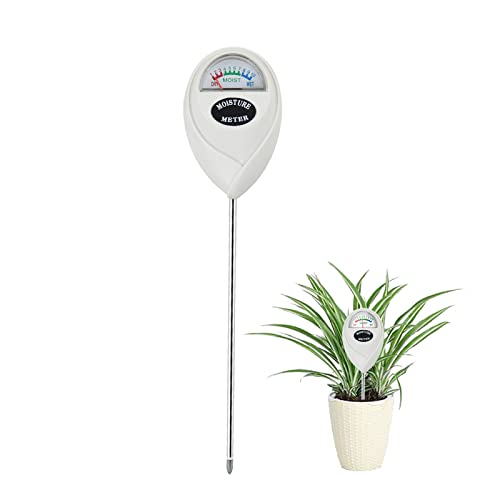
【SAVE YOUR PLANTS】: Over watering can cause problems with your plants or even kill them. This soil moisture meter helps you know the soil is dry, moist or wet.No more over watering!
Papaya Tree Pot Watering Tips
Proper watering is crucial for the health of papaya trees grown in pots, especially in Arkansas’s varying climate. Understanding the specific needs of these tropical plants will help ensure they thrive in containers. Below are essential watering tips tailored for beginners looking to cultivate successful papaya trees in pots.
Check Soil Moisture: Insert your finger into the soil about an inch deep. Water if it feels dry.
Use Well-Draining Soil: A mix of potting soil and perlite promotes drainage.
Watering Frequency: Typically, water every 2-3 days during hot months and less frequently in cooler weather.
Fertilization Strategies for Papaya Trees
Fertilizing papaya trees is crucial for their growth and fruit production, especially when grown in pots. In Arkansas, where conditions can vary, understanding the right fertilization strategies will help beginners ensure their trees thrive. This section explores effective techniques to nourish your papaya trees and maximize their potential.
Fertilization supports the growth of your papaya tree by providing essential nutrients. Use a balanced fertilizer formulated for fruiting plants to promote healthy development.
Recommended Products

Not Available for Sell in WA, USA

FORMULATED FOR CITRUS AND FRUIT TREES: Use these citrus fertilizer spikes on apple, orange, lemon, lime, and avocado trees; this formula is also great for feeding palm trees

Package contains 4 Pounds organic fruit and citrus fertilizer grains and is produced to avoid wasteful runoff, mess, hazards and smells
Papaya Tree Fertilization Timing
Understanding the optimal fertilization timing for papaya trees is crucial for successful growth, especially when cultivating them in pots in Arkansas. This section will provide essential insights into when and how to fertilize your papaya trees, ensuring they receive the nutrients they need at the right stages of their development.
Initial Application: Apply fertilizer when planting your papaya tree.
Regular Feeding: Fertilize every 4-6 weeks during the growing season.
Organic Options: Consider using compost or fish emulsion as natural fertilizers.
Papaya Tree Pest and Disease Prevention
Maintaining healthy papaya trees in pots requires vigilance against pests and diseases, especially in Arkansas’s unique climate. Understanding common threats and implementing preventative measures can ensure your trees thrive. This section will explore effective strategies to safeguard your papaya plants from potential infestations and ailments.
Pests and diseases can hinder the growth of your papaya tree. Regular monitoring and preventive measures can help maintain plant health.
Pest Management Strategies for Papaya Trees
Managing pests is crucial for the health of papaya trees, especially when grown in pots in Arkansas. Understanding common pests and implementing effective strategies can help ensure your trees thrive. This section outlines practical approaches to keep your papaya plants healthy and productive.
Aphids: Use insecticidal soap or neem oil.
Spider Mites: Increase humidity and apply miticides if necessary.
Fungal Diseases: Ensure good air circulation and avoid overhead watering.
| Pest/Disease | Symptoms | Treatment |
|---|---|---|
| Aphids | Curling leaves | Insecticidal soap |
| Spider Mites | Webbing | Increase humidity |
| Fungal Disease | Wilting | Improve air circulation |
Seasonal Care for Arkansas Papaya Trees
Caring for papaya trees in pots requires an understanding of the seasonal changes in Arkansas. Each season presents unique challenges and opportunities for growth, making it essential for beginners to adapt their care routines accordingly. This section will outline key strategies to ensure your potted papaya thrives throughout the year.
Arkansas experiences varying weather conditions that can affect your papaya tree. Preparing for seasonal changes ensures continued growth and health.
Winter Care for Potted Papaya Trees
Winter can pose challenges for potted papaya trees, especially in Arkansas where temperatures can drop significantly. Understanding the specific care requirements during this season is crucial for maintaining the health and vitality of your plants. This section outlines essential strategies to ensure your papaya trees thrive despite the cold.
Winter Protection: Bring the pot indoors or use frost cloths during cold snaps.
Summer Care: Ensure adequate watering during hot spells.
Pruning: Trim back any dead or damaged leaves to promote new growth.
Monitor your papaya tree closely for signs of stress or disease, especially during seasonal transitions.
Essential Papaya Care Techniques for Container Growth
Growing papaya trees in pots can be a rewarding endeavor, especially in Arkansas where the climate poses unique challenges. Understanding essential care techniques is crucial for beginners aiming to cultivate healthy, thriving plants in containers. This section will highlight key practices to ensure your papaya trees flourish despite their confined space.
Growing papaya trees in pots can be rewarding with the right approach. Focus on selecting the right pot, ensuring adequate sunlight, and maintaining proper watering and fertilization to achieve success.
