

Have you ever wondered how many apple trees you’d need to grow your own fruit? If you’re dreaming of a backyard filled with delicious apples, you’re not alone. Many people want to enjoy the satisfaction of harvesting their own produce, but figuring out the right number of trees can be tricky.
Key Takeaways
- Tree Varieties Matter: Choose high-yield apple tree varieties like ‘Honeycrisp’, ‘Fuji’, or ‘Gala’ for better production, and prefer species suited to your local climate.
- Pollination is Essential: Plant at least two different apple tree varieties to facilitate cross-pollination, which significantly increases fruit yield.
- Planting Guidelines: For home gardens, 2 to 5 trees are sufficient, whereas large-scale production requires a minimum of 100 trees for optimal results.
- Effective Tree Management: Regular pruning, soil maintenance, and pest control are crucial for enhancing apple fruit production.
- Economic Considerations: Initial investments for establishing apple trees can range from $1,500 to $5,000, but potential yields can lead to significant profits, especially in larger orchards.
- Monitoring and Care: Implement integrated pest management and monitor for disease to maintain tree health and maximize fruit yield effectively.
Factors Influencing Apple Tree Production
Several factors impact the ability of apple trees to produce fruit. Understanding these influences helps you determine how many trees you need for successful fruit-bearing.
Tree Varieties
Tree varieties significantly affect production levels. Some apple tree varieties produce fruit more abundantly than others. For instance, popular choices like ‘Honeycrisp,’ ‘Fuji,’ and ‘Gala’ are known for high yields in suitable climates. Dwarf varieties may yield quicker but produce fewer apples than standard-size trees. Selecting the right variety based on your local climate and soil conditions boosts your chances of a fruitful harvest.
Pollination Requirements
Pollination plays a crucial role in apple production. Most apple trees require cross-pollination for optimal fruit set. To achieve this, plant at least two different varieties nearby to ensure effective pollination. Honeybees and other pollinators are needed during flowering. A well-pollinated apple tree can produce 200 to 800 apples each season, while inadequate pollination can result in fewer or smaller fruits. Gardeners can enhance pollination rates by planting flowering plants nearby or installing bee hotels to attract local pollinators.
Optimal Number of Apple Trees
Determining how many apple trees to plant depends on your goals. Here’s a breakdown for different situations.
Recommended Products

Grow your own apple, a tree of legend that has been cherished and cultivated for thousands of years by people of many cultures from every corner of the world


Small Scale Production
For home gardeners aiming for a modest harvest, planting 2 to 5 apple trees often suffices. Choose at least two different varieties to ensure proper cross-pollination. This can significantly boost fruit yield. Consider options like ‘Honeycrisp’ and ‘Fuji’ for flavor and productivity. Ensure the trees are spaced about 15 to 20 feet apart for healthy growth and airflow.
Large Scale Production
If you’re looking at large-scale apple production, aim for a minimum of 100 trees. This provides a better chance of meeting commercial yield expectations. Plant at least three varieties to maximize pollination effectiveness, optimizing your harvest. Maintain spacing of about 10 to 15 feet between trees to facilitate machinery access and sunlight penetration. Investing in efficient irrigation and nutrient management systems enhances overall fruit production value.
Managing Apple Trees for Fruit Production
Managing apple trees properly boosts fruit production. Focus on pruning, maintenance, pest control, and disease management for successful growth.
Recommended Products

Targeted Trapping for Cydia Pomonella: designed to attract Cydia pomonella species using species-specific pheromone lures; Helps monitor and monitor and trap around apple trees, orchards, and home gardens

Attracts greater & lesser Peach Tree Borers (Synanthedon exitiosa) as well as many other clearwing moth species
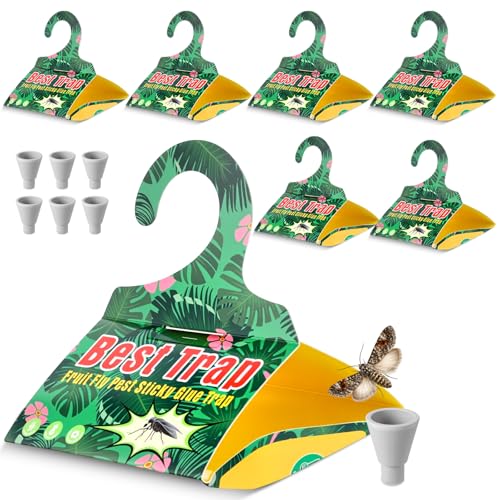
Targeted Trapping for codling moth: designed to attract codling moth species using species-specific pheromone lures; Helps monitor and reduce adult moth activity around apple trees, orchards, and home gardens
Pruning and Maintenance
Pruning stimulates healthy growth and enhances fruit quality. During winter or early spring, remove dead or damaged branches. Aim for an open center structure; this increases sunlight exposure and air circulation.
Maintain soil health by regularly checking nutrient levels. Apply organic fertilizers, like compost or well-rotted manure, in early spring. Water trees deeply during dry spells to encourage root development. Mulching around the base retains moisture, suppresses weeds, and regulates soil temperature.
Pest and Disease Management
Pests and diseases can undermine apple production. Regularly inspect trees for signs of infestation, such as holes in leaves or sticky residue. Use integrated pest management (IPM) strategies, which combine biological, cultural, and chemical practices.
Install traps for common pests like codling moths and apple maggots. Introduce beneficial insects, such as ladybugs, to control pest populations naturally. For disease prevention, choose disease-resistant varieties and maintain proper airflow through pruning.
Apply fungicides at the first signs of disease, following all label instructions carefully. With diligence and attention, you’ll significantly improve your apple trees’ health and fruit yield.
Economic Considerations
Understanding the economic impact of growing apple trees is crucial for deciding how many to plant. Factors such as initial costs, potential yield, and long-term profit will influence your decision.
Recommended Products
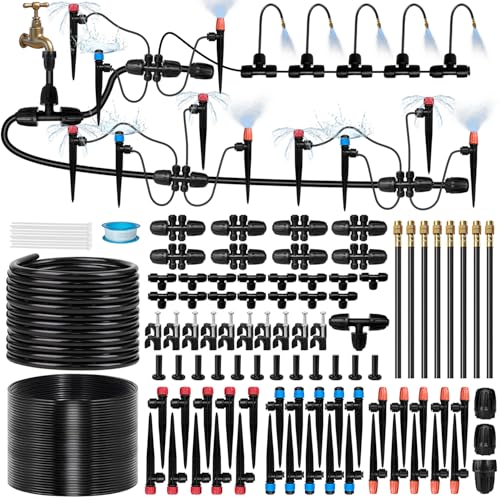
【Upgraded Tube Design & Water Saving】 Our garden watering system is upgraded to 1/2” diameter to support high water pressure. The 1/2” tee connector allows seamless splitting into 2 independent zones for customized watering schedules. By delivering moisture directly to root zones, this drip Irrigation system significantly reduces evaporation and runoff—saving more water compared to conventional sprinklers while eliminating the need for manual watering.

NO MORE HARD INSTALLATION - SET UP IN MINUTES. Tired of struggling with stiff barbed fittings? This drip irrigation system features quick-connect fittings that let you push, lock, and secure tubing effortlessly. No tools, no leaks, just a smooth setup experience. Enjoy a frustration-free installation and get your garden watering system running in minutes.

🍀【Extra-Long 50FT 5/16” Mainline Tubing】 With 50 feet of premium 5/16” main tubing, you have more flexibility to build a central watering path across larger garden layouts. The enhanced flow capacity supports multiple emitters with consistent water pressure throughout your irrigation zones.
Cost of Planting Apple Trees
The cost of planting apple trees varies based on tree variety, nursery prices, and planting supplies. Here’s a breakdown of potential expenses:
- Tree Purchase: Expect to pay between $25 and $50 per tree, depending on the variety and size.
- Soil Preparation: Amending soil can cost around $20 to $100, depending on the required nutrients and amendments.
- Irrigation: Installing a basic drip irrigation system might range from $200 to $500.
- Maintenance: Annual maintenance, including fertilizers and pest control, can add an additional $100 to $300.
Overall, starting an apple orchard may require an upfront investment of $1,500 to $5,000, depending on the scale and specific choices you make.
Potential Yield and Profit
The potential yield from apple trees significantly affects profit margins. Here’s what to expect:
- Small Orchards: With 2 to 5 trees, you might harvest 50 to 300 pounds of apples annually. Selling these might bring in $100 to $600, depending on local market prices.
- Larger Orchards: With a minimum of 100 trees, you could harvest 10,000 to 20,000 pounds of apples. This could generate $20,000 to $40,000 in income, assuming a price of $2 per pound.
Keep in mind that profit depends on maintaining healthy trees, managing pests, and marketing your fruit effectively. Implementing good practices, like organic certification or participating in local farmers’ markets, can enhance your profitability.
Conclusion
Growing your own apple trees can be a rewarding experience. Whether you’re aiming for a few delicious apples or a larger harvest, understanding your needs is key. Remember to choose the right varieties and plant at least two for effective cross-pollination.
If you’re just starting out a couple of trees can provide plenty of fruit for your family. For those looking to dive deeper into apple farming consider a larger setup with more trees and varieties.
With proper care and attention your apple trees can thrive and produce bountiful harvests for years to come. Enjoy the journey of growing your own apples and savor the sweet rewards!
Frequently Asked Questions
How many apple trees should I plant for home use?
For modest home use, planting 2 to 5 apple trees is generally sufficient. It’s important to choose at least two different varieties for effective cross-pollination, which boosts fruit production.
What apple tree varieties produce the most fruit?
Varieties like ‘Honeycrisp,’ ‘Fuji,’ and ‘Gala’ are known for high yields. Selecting the right tree variety is crucial for maximizing fruit output in your home garden.
Do apple trees need cross-pollination?
Yes, most apple trees require cross-pollination to set fruit effectively. Planting at least two different apple varieties nearby can enhance pollination and yield.
How should I space my apple trees?
Proper spacing is vital for apple trees’ health and productivity. Generally, space trees about 15 to 20 feet apart to allow for adequate airflow and growth.
What are the costs associated with growing apple trees?
Initial costs for planting apple trees can range from $1,500 to $5,000. This includes expenses for tree purchase, soil preparation, irrigation, and annual maintenance.
How much fruit can I expect from my apple trees?
Small orchards of 2 to 5 trees can yield between 50 to 300 pounds of apples annually, while larger orchards with around 100 trees may produce 10,000 to 20,000 pounds.
What is proper apple tree maintenance?
Proper maintenance includes regular pruning, pest control, and disease management. Pruning should be done in winter or early spring, and soil health should be managed through testing and organic fertilizers.
How can I attract pollinators to my apple trees?
To attract pollinators like honeybees, incorporate flowering plants or bee hotels into your garden. This helps ensure effective pollination and enhances overall fruit production.
How does pest management affect apple production?
Effective pest management is crucial for healthy apple trees. Implementing integrated pest management (IPM) strategies can significantly reduce the impact of pests and improve yields.
Is it economically viable to grow apple trees?
Yes, growing apple trees can be economically viable, as they can produce significant yields. Profitability is reliant on maintaining healthy trees and effective marketing strategies.
