

Are you tired of watching your garden struggle in the heat? Growing fruit trees in hot weather can be a challenge, but it’s not impossible. With the right choices, you can enjoy a bountiful harvest even in the hottest months.
Imagine biting into a juicy peach or a sweet orange, all from trees thriving in your backyard. This article will guide you through the best fruit trees suited for warm climates. You’ll discover which varieties flourish under the sun and how to care for them. By the end, you’ll feel ready to transform your garden into a fruitful oasis.
Key Takeaways
- Choose Heat-Tolerant Varieties: Opt for fruit trees like figs, citrus, pomegranates, and olives, as they thrive in hot climates and require minimal water once established.
- Proper Care Techniques: Implement mulching, deep watering, and slow-release fertilization to help your fruit trees withstand heat stress and support healthy growth.
- Ideal Growing Conditions: Ensure your trees receive 6-8 hours of direct sunlight and grow in well-draining soil with a pH level of 6.0 to 7.0 for optimal development.
- Tropical Fruit Options: Consider planting tropical varieties like mangoes, papayas, and guavas for a delicious harvest that flourishes in warm weather.
- Pest and Disease Management: Regularly monitor for pests and diseases, and maintain good sanitation practices to promote the health of your fruit trees in hot conditions.
- Irrigation Practices Matter: Use efficient watering methods, such as drip irrigation, to conserve water and minimize evaporation while ensuring adequate moisture for root zones.
Overview of Fruit Trees in Hot Weather
Hot weather presents unique challenges for fruit tree cultivation. Selecting appropriate varieties can significantly increase your chances of a successful harvest. Several fruit trees thrive in high temperatures, offering fruitful options for your garden.
Adaptable Fruit Tree Varieties
Look for trees that naturally tolerate heat. Here are some excellent choices:
- Fig Trees: Figs flourish in warm climates and handle drought well. They produce sweet fruits, enriching your garden.
- Citrus Trees: Varieties like lemons, oranges, and grapefruits love the sun and offer tangy flavors. Citrus embraces heat and often produces more fruit during hotter months.
- Pomegranate Trees: These trees require minimal water once established and produce vibrant, nutrient-rich fruits. They thrive in climates with hot summers.
- Olive Trees: Ideal for hot, dry regions, olives require plenty of sunlight and well-drained soil. They yield healthy, flavorful olives.
Care Tips for Hot Weather
Provide the right care for your fruit trees in hot weather. Consider these essential tips:
- Mulching: Apply a layer of organic mulch to retain moisture and regulate soil temperature. This practice reduces heat stress on roots.
- Irrigation: Water deeply and less frequently to encourage deeper roots. Water your trees early in the morning or late in the evening to minimize evaporation.
- Fertilization: Use slow-release fertilizers during the growing season. This method supports tree growth without causing stress from nutrient overload.
Ideal Conditions for Growth
Know the ideal conditions for your fruit trees. Factors to watch include:
- Soil: Choose well-draining soil rich in organic matter. Test pH levels for optimal growth, aiming for a range of 6.0 to 7.0.
- Sunlight: Ensure your fruit trees receive at least 6 to 8 hours of direct sunlight daily. Position trees in locations that maximize sun exposure.
These guidelines help you enjoy a thriving garden full of fruit trees that prosper in hot weather. With the right approach, you can cultivate a diverse array of delicious fruits.
Popular Fruit Trees for Hot Climates
Selecting the right fruit trees for warm environments significantly impacts your garden’s productivity. Here are some popular options that thrive in hot weather.
Recommended Products

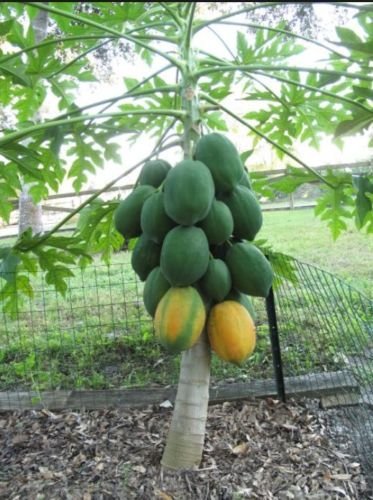
Here are 10 Dwarf Waimanalo papaya seeds (And we always throw in a few extra!). These seeds are very fresh and were just harvested. The Dwarf Waimanalo papaya is an uncommon variety of dwarf papaya that tastes extremely sweet and delicious.

Tropical Fruit Trees
- Mango: Mango trees flourish in hot, humid conditions. They’re drought-resistant once established, making them ideal for warm climates. Expect sweet, juicy fruits in summer.
- Papaya: Papaya grows rapidly and bears fruit within a year. They thrive in full sun and appreciate well-drained soil. Papayas offer delicious, tropical flavors.
- Pineapple: Pineapples prefer a sunny location and can handle dry spells. They grow slowly, producing fruit after about 18-24 months. These spiky plants yield sweet, tropical treats.
- Guava: Guava trees adapt well to various conditions. They require little maintenance and produce fragrant fruits year-round. Guavas are perfect for fresh eating or making jams.
- Citrus: Citrus trees like oranges, lemons, and limes thrive in warm climates. They require plenty of sunlight and well-drained soil. Regular watering ensures vibrant fruit production.
- Pomegranate: Pomegranates love heat and drought. They grow well in poor soils and produce juicy, tart fruits. Pruning helps maintain their shape and encourages fruiting.
- Fig: Fig trees adapt to dry conditions and produce sweet, nutritious fruits. They thrive in sandy or clay soils with good drainage. Harvesting is possible in late summer to early fall.
- Olive: Olive trees flourish in hot, sunny environments, requiring minimal water. They thrive in poor soils and yield flavorful olives. Pruning supports healthy growth and fruit production.
These fruit trees not only tolerate heat but also bring vibrant flavors to your garden. Selecting the right varieties enhances your chances of success in hot weather gardening.
Factors to Consider When Growing Fruit Trees
Growing fruit trees in hot weather requires specific considerations for optimal results. Focus on these essential factors to ensure your trees thrive.
Recommended Products
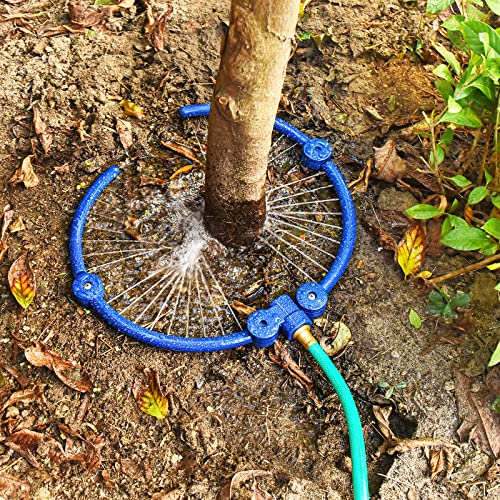
【Specially Designed for Trees and Shrubs】 The Watering Ring is a multi-purpose irrigation ring that attaches to a garden hose to efficiently water young trees shrubs vegetables or flower beds using drip or trickle irrigation.It directs water to the root perimeter of the plant to give them a good start during the first two growing seasons or through periods of drought.
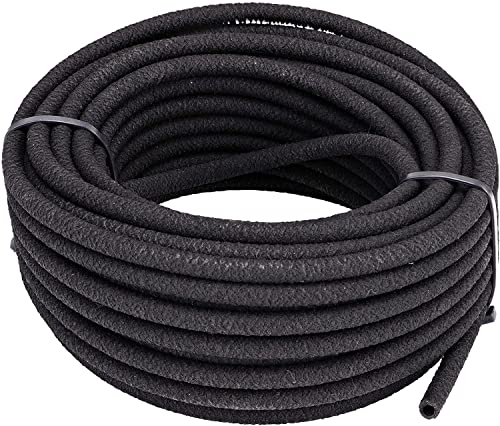
Slowly waters the soil around your plants for complete root zone hydration; Ideal for short runs on flat surfaces, such as vegetable gardens, borders, and around small plants

GENTLE WATERING: Disperses water into a soft, even flow to protect delicate plants, seedlings, and soil from erosion and washout
Soil Requirements
Soil plays a crucial role in the health of your fruit trees. Choose well-draining soil to prevent waterlogging, which can damage roots. Sandy loam or clay loam works well for most fruit trees. Test the soil’s pH, ideally between 6.0 and 7.0. Amend the soil with organic matter, like compost, to improve fertility and drainage.
Watering and Irrigation
Watering practices significantly impact fruit tree growth in hot climates. Water deeply but infrequently, aiming for about 1 to 2 inches of water per week. Establish a consistent schedule, adjusting based on rainfall. Employ drip irrigation or soaker hoses to minimize evaporation and directly water the root zone. This method conserves water and promotes healthier trees.
Tips for Caring for Fruit Trees in Hot Weather
Caring for fruit trees in hot weather requires attention to specific practices that help them thrive. Focus on these essential care tips.
Recommended Products

Natural Cedar; Use with your outdoor and indoor plants; will hold moisture in! THIS IS A 4 QUART SIZE OF CEDAR CHIPS

PREMIUM RED MULCH: Vibrant red wood chip mulch colored with non-toxic dye that is safe for soil, pets, and plants, enhancing the visual appeal of gardens and landscapes

🌿 Natural Pine Bark Mulch: Made from 100% pine bark, these premium nuggets are perfect for gardens, landscaping, and potted plants. Add a natural, decorative finish that enhances any green space.
Mulching and Soil Temperature
Mulching protects soil temperature and retains moisture.
- Apply a 2 to 4-inch layer of organic mulch around the base of each tree.
- Use materials like straw, wood chips, or shredded bark.
- Keep mulch a few inches away from the trunk to prevent rot.
- Replenish mulch as it decomposes to maintain effective coverage.
Well-managed mulch can reduce soil temperature by several degrees, protecting roots from heat stress.
Pest and Disease Management
Hot weather increases the risk of pests and diseases affecting your trees.
- Monitor trees regularly for signs of pests, such as aphids or caterpillars.
- Use horticultural oils or insecticidal soaps to treat infestations early.
- Practice good sanitation by removing fallen fruit and debris that attract pests.
- Keep trees healthy through proper watering and fertilizer application, as strong trees are more resilient to pests and diseases.
Implementing these strategies helps create a robust environment for your fruit trees, contributing to a successful harvest in hot weather.
Conclusion
Growing fruit trees in hot weather can be a rewarding experience when you choose the right varieties and care for them properly. By selecting heat-tolerant options like figs, citrus, and tropical fruits, you can enjoy a bountiful harvest even in challenging conditions.
Remember to focus on soil quality and watering practices to keep your trees healthy and thriving. With a little effort and the right techniques, your garden can become a haven for delicious fruits. Embrace the warmth and watch your fruit trees flourish!
Frequently Asked Questions
What are the best fruit trees for hot climates?
Fruit trees that thrive in hot climates include figs, citrus (like oranges and lemons), pomegranates, and olives. Tropical varieties such as mango, papaya, pineapple, and guava are also excellent choices. These trees are naturally adapted to high temperatures and can produce a successful harvest.
How should I care for fruit trees in hot weather?
To care for fruit trees in hot weather, use mulch to retain soil moisture, water deeply but infrequently, and apply slow-release fertilizers. Ensure they have well-draining soil and adequate sunlight. Monitor for pests and diseases, and maintain tree health through proper watering and fertilization.
What soil types are best for growing fruit trees in heat?
The best soil types for growing fruit trees in hot weather are sandy loam or clay loam with a pH between 6.0 and 7.0. Amending the soil with organic matter can improve fertility and drainage, creating optimal conditions for growth.
How often should I water fruit trees in hot weather?
Water fruit trees in hot weather deeply but infrequently, aiming for about 1 to 2 inches of water per week. Using drip irrigation or soaker hoses can help conserve water and ensure that the trees receive adequate moisture without overwatering.
What are effective pest management strategies for fruit trees in heat?
Effective pest management strategies for fruit trees in hot weather include using horticultural oils or insecticidal soaps to control pests. Regular monitoring of trees is important to catch issues early, and maintaining proper watering and fertilization will support tree health and resilience to pests.
