

Have you ever wondered when to graft your fruit trees for the best results? Timing can make all the difference in how successful your grafting efforts will be. If you’ve faced challenges with grafting in the past or simply want to improve your skills, knowing the right time to do it is key.
In this article, you’ll discover the ideal seasons for grafting different types of fruit trees. With the right timing, you can boost your chances of creating healthy, fruitful trees. Whether you’re a seasoned gardener or just starting, this guide will help you make informed decisions and enjoy a bountiful harvest.
Key Takeaways
- Optimal Grafting Seasons: Spring is generally the best time for grafting most fruit trees, particularly from late winter to early spring, while summer grafting suits citrus trees and fall grafting may work for specific apple and stone fruit varieties.
- Influential Factors: Grafting success is influenced by weather conditions such as temperature, frost risk, and rainfall, as well as tree species, which have specific seasonal behaviors.
- Grafting Techniques: Popular techniques like whip and tongue graft for spring and bud grafting for summer can enhance the success rate and health of grafted trees.
- Signs of Grafting Success: Successful grafting can be identified by the formation of healthy calluses and new growth emerging from the scion, indicating proper integration with the rootstock.
- Preparation and Care: For optimal results, it’s important to use healthy rootstocks and scion wood, monitor optimal conditions, and take protective measures after grafting.
Factors Influencing Grafting Timing
Grafting timing hinges on several crucial factors that can significantly affect the success rate of grafted fruit trees. Understanding these influences leads to better choices in your gardening practices.
Recommended Products

PROFESSIONAL GARDENING GRAFTING TOOLS: Including 2 in 1 grafting pruning tools, 3 replaceable blades, a grafting knife, a screwdriver, a wrench, 2 grafting films, 160 rubber bands, 40 wide rubber bands, and 50 colorful tag cards

TREE GRAFTING TOOL - Efficiently prepare scion shoots and understock for grafting with our handy garden tool. This standard manual grafting tool can be used to cut stock up to 1/2” in diameter and comes with an excellent illustrated instruction manual.
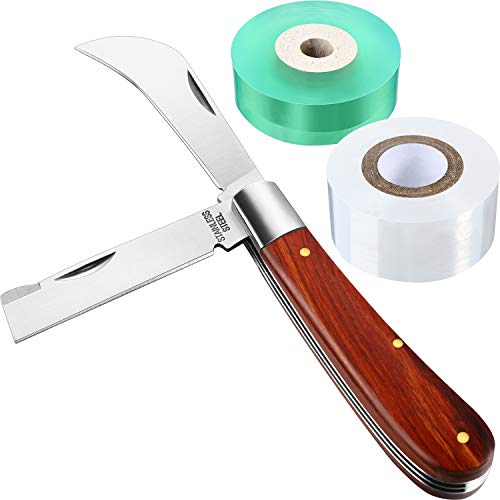
Package includes: you will get 1 double blades garden grafting knife and 2 rolls of grafting tapes in 2 sizes, ideal set for grafting budding, cutting, digging, sprouting, plants, weeding, cutting, sawing, etc.
Weather Conditions
Weather conditions play a key role in grafting timing. Ideal temperatures for grafting fruit trees typically range from 50°F to 80°F.
- Spring: Spring months often present the best grafting conditions. Warmer days encourage tree sap to flow, aiding in the union of rootstock and scion.
- Frost Risk: Avoid grafting during frost season. Frost can damage buds and sap, resulting in plant stress and lower success rates.
- Rainfall: Excessive rainfall can hinder the process. Moist soil may cause root rot, so choose a dry period post-rain for grafting activities.
Tree Species
Tree species influence the timing and method of grafting. Specific species exhibit unique growth patterns and seasonal behaviors.
- Stone Fruits: Graft stone fruits like cherries and peaches in late winter or early spring. These trees dormancy phase provides a healthy environment for grafting.
- Pome Fruits: For apples and pears, late winter grafting also proves effective, aligning with their natural growth cycle.
- Citrus Trees: Graft citrus trees in late spring or early summer. Their growth pattern responds best to warmer temperatures during this time.
By considering weather conditions and tree species, you can optimize your grafting schedule for healthier and more productive fruit trees.
Ideal Times for Grafting
Timing significantly influences the success of grafting fruit trees. Understanding when to graft can enhance sap flow and overall tree health. Here’s a detailed breakdown of ideal times for grafting.
Spring Grafting
Spring is often considered the best time for grafting many fruit trees. The ideal months for this process fall between late winter and early spring. During this period, temperatures typically rise between 50°F and 75°F, promoting strong sap flow.
Steps to follow:
- Monitor local temperatures, ensuring they stay within the ideal range.
- Select healthy rootstocks and scion wood from disease-free trees.
- Perform grafting when buds begin to swell but have yet to break open.
Common tree species suited for spring grafting include:
- Cherries
- Peaches
- Apples
- Pears
Summer Grafting
Summer grafting can also be effective, particularly for species such as citrus. The ideal months for summer grafting range from late spring to early summer. Warmer temperatures enhance healing and growth.
Steps to follow:
- Check that trees have sufficient moisture to promote healing.
- Choose healthy scion wood that is flexible and actively growing.
- Execute the grafting technique promptly to minimize exposure to the air.
Common tree species suited for summer grafting include:
- Citrus trees (like oranges and lemons)
Fall Grafting
Fall grafting is less common but can be successful for certain types of trees. The ideal time is early fall, just before leaf drop. This window allows the trees to prepare for dormancy while still receiving some sap flow.
- Watch for signs of leaf drop, indicating the onset of dormancy.
- Select scions from the current season’s growth for optimal success.
- Apply protective measures, such as wax, to safeguard grafted areas from the impending cold.
Common tree species suited for fall grafting include:
- Some types of apples
- Some varieties of stone fruits
By planning your grafting schedule around these ideal times, you can achieve healthier trees and enhance your fruit harvest.
Techniques for Grafting
Grafting fruit trees involves specific techniques that enhance the likelihood of success. Understanding these methods can help you achieve healthier trees and bountiful fruit harvests.
Whip and Tongue Graft
The whip and tongue graft is popular for its high success rate, especially with similar-sized rootstock and scion. Start this process in spring when sap flow is active. Follow these steps:
- Select Your Wood: Choose a healthy scion, ideally about 6-10 inches long, with at least two buds.
- Make Cuts: Cut both the rootstock and the scion at a slant, about 1-2 inches long. Make an additional tongue cut on both pieces for a secure fit.
- Align and Secure: Fit the scion to the rootstock, ensuring the cambium layers touch. Secure with grafting tape or parafilm, wrapping tightly but leaving room for growth.
- Seal and Protect: Seal the graft with wax or grafting compound to prevent moisture loss. Keep the grafting area out of direct sunlight.
This technique demands careful alignment for proper healing. It’s best for apple, pear, and stone fruit trees.
Bud Grafting
Bud grafting is efficient for propagating trees, especially during summer months. This method focuses on a single bud, making it ideal for smaller scions. Here’s how to do it:
- Prepare the Bud: Select a healthy bud from your desired variety. A bud should have a small piece of wood attached, called a “chip.”
- Make the Cut: On the rootstock, create a T-shaped incision in the bark. Ensure the cut penetrates through to the cambium layer but doesn’t cut into the wood beneath.
- Insert the Bud: Place the chip of the bud under the bark flap from your T-cut, making sure the cambium layers align.
- Wrap and Secure: Wrap the area with grafting tape, leaving the bud exposed. This encourages growth while providing stability.
This technique works well for citrus trees and helps manage space if you’re limited on scion wood. Consider conducting bud grafting in late summer before dormancy.
Employing these grafting techniques enhances your fruit tree propagation efforts, helping you cultivate a rich variety of fruits in your garden.
Signs of Successful Grafting
Successful grafting shows distinct signs that reassure you of a well-executed process. Observing these indicators helps you determine the viability of your graft.
Callusing
Callusing refers to the formation of a protective layer around the graft union. You’ll notice a callus forming about two to three weeks after grafting. A healthy graft displays a callus that is firm and moist, indicating proper healing. If the callus is dry or absent, it may suggest an issue with the grafting process. Maintain moisture around the graft during this period to encourage robust callus development.
New Growth
New growth appears as the most promising sign of a successful graft. Expect to see new buds swell and leaves emerge several weeks after grafting. This growth indicates that the scion is integrating well with the rootstock. Healthy new growth typically indicates that the graft has taken successfully. If new growth does not appear after about four to six weeks, reassess the grafting technique and conditions. Adequate sunlight and water support vigorous new growth, so ensure both factors are optimized for the best results.
Conclusion
Timing is everything when it comes to grafting fruit trees. By choosing the right season and technique you can set your trees up for success. Remember to keep an eye on the weather and select healthy materials for grafting.
With a little patience and care you’ll soon enjoy the fruits of your labor. Whether you’re a seasoned gardener or just starting out you now have the tools to make your grafting efforts fruitful. Happy grafting and may your trees thrive!
Frequently Asked Questions
When is the best time to graft fruit trees?
The best time to graft fruit trees is generally in spring, as warmer temperatures promote sap flow, which aids in the success of the graft. Specific types like stone fruits are best grafted in late winter or early spring, while citrus trees thrive when grafted in late spring or early summer.
What weather conditions affect grafting success?
Ideal weather conditions for grafting include temperatures between 50°F and 80°F. Grafting during frost or excessive rainfall can hinder success, so gardeners should choose mild and dry days, particularly in spring.
What are the best grafting techniques for fruit trees?
Popular grafting techniques include the whip and tongue graft, which works well with similar-sized rootstock and scion, and bud grafting, which is efficient during summer. Both methods enhance the likelihood of successful grafting when executed properly.
What signs indicate successful grafting?
Signs of successful grafting include the formation of a callus around the graft union and new growth, such as swelling buds and leaves. A healthy graft will have a firm, moist callus indicating integration. Lack of growth within four to six weeks may suggest a problem.
Can beginners successfully graft fruit trees?
Yes, beginners can successfully graft fruit trees by following clear steps and choosing the right timing and techniques. The article provides guidance tailored for both experienced gardeners and newcomers, making it accessible for everyone.
