Close Menu
    Fruit Tree Hub
    • Home
    • Apple Trees
    • Lemon Trees
    • Mango Trees
    • Orange Trees
    • More Trees
      • Best Fruit Trees
      • Apricot Trees
      • Cherry Trees
      • Fig Trees
      • Lime Trees
      • Mulberry Trees
      • Peach Trees
      • Pear Trees
      • Plum Trees
      • Pomegranate Trees
    • Tips and Advice
      • Tools
    • About Us
      • Contact
      • Privacy Policy
    Fruit Tree Hub
    Home»Tips and Advice»How Long Before Lemon Trees Bear Fruit: Tips for Successful Growth and Care
    Tips and Advice

    How Long Before Lemon Trees Bear Fruit: Tips for Successful Growth and Care

    Martha JacksonBy Martha JacksonJanuary 3, 20257 Mins Read
    Share Facebook Twitter Pinterest WhatsApp Email
    Share
    Facebook Twitter LinkedIn Pinterest Telegram Email

    Have you ever dreamed of plucking fresh lemons right from your own tree? If so, you might be wondering how long it takes for lemon trees to start bearing fruit. This is a common question for new gardeners and lemon enthusiasts alike, as patience is key when growing these vibrant trees.

    Contents show
    1 Key Takeaways
    2 Factors Influencing Lemon Tree Fruit Bearing
    2.1 Tree Age
    2.2 Varietal Differences
    3 Ideal Growing Conditions
    3.1 Climate Requirements
    3.2 Soil Type and Quality
    4 Care and Maintenance Tips
    4.1 Watering Schedule
    4.2 Fertilization Practices
    5 Typical Timeframe for Fruit Bearing
    5.1 From Planting to First Bloom
    5.2 Variability by Region
    6 Conclusion
    7 Frequently Asked Questions
    7.1 How long does it take for lemon trees to bear fruit?
    7.2 What climate is best for growing lemon trees?
    7.3 What kind of soil do lemon trees need?
    7.4 How often should I water lemon trees?
    7.5 What fertilizer is best for lemon trees?
    7.6 Do lemon trees bloom before they bear fruit?
    7.7 How does the local climate affect lemon tree fruiting?

    Key Takeaways

    • Time to Bear Fruit: Lemon trees typically begin to bear fruit within 3 to 5 years after planting, with younger trees producing less fruit initially.
    • Varietal Impact: Different lemon varieties, such as ‘Eureka’, ‘Lisbon’, and ‘Meyer’, have varying timelines for fruit production, so choose accordingly based on your climate and preferences.
    • Ideal Conditions: Lemon trees thrive in warm climates with temperatures between 70°F and 85°F and require well-draining, slightly acidic soil for optimal growth.
    • Care Practices: Regular watering and appropriate fertilization every 6 to 8 weeks during the growing season are crucial for promoting healthy growth and fruit yield.
    • Regional Variability: The fruit-bearing timeline can vary based on regional climates, with warmer zones allowing for earlier production compared to cooler ones.

    Factors Influencing Lemon Tree Fruit Bearing

    Several factors determine when your lemon tree will start bearing fruit. Understanding these factors can help you cultivate a healthy tree and enjoy a bountiful harvest.

    MUST READ
    How to Eat Tree Tomato Fruit: Delicious Ways to Enjoy This Nutritious Treat

    Recommended Products

    Lemon Tree Fertilizer – Liquid Plant Food for Healthy Growth & Blooms, 8 oz
    Lemon Tree Fertilizer – Liquid Plant Food for Healthy Growth & Blooms, 8 oz

    Made for Lemon & Citrus Trees – Formulated to support healthy growth in lemon and citrus plants.

    VIEW LATEST PRICE

    As an affiliate, we earn on qualifying purchases.

    200+ Mix Dwarf Bonsai Fruit Tree Seeds for Planting, 4 Variety Individual Packs, 50+ Lemon Tree Seeds 50+ Cherry Tree Seeds 50+ Orange Tree Seeds 50+ Apple Seeds Organic Heirloom Fruit Seeds
    200+ Mix Dwarf Bonsai Fruit Tree Seeds for Planting, 4 Variety Individual Packs, 50+ Lemon Tree Seeds 50+ Cherry Tree Seeds 50+ Orange Tree Seeds 50+ Apple Seeds Organic Heirloom Fruit Seeds

    4 kinds of the most popular fruits, individually packaged, 50pcs Lemon seeds 50pcs Cherry seeds 50pcs Orange seeds 50pcs Apple seeds Fresh seeds, all fruit seeds are packed in tear and moisture resistant zipper sealed bags for your long term storage.

    VIEW LATEST PRICE

    As an affiliate, we earn on qualifying purchases.

    160PCS Mixed Dwarf Bonsai Fruit Tree Seeds for Planting – 5 Variety Pack: 40 Lemon, 40 Orange, 40 Apple, 20 Cherry, 20 Blueberry – Heirloom Non-GMO Fruit Seeds for Indoor & Outdoor Garden
    160PCS Mixed Dwarf Bonsai Fruit Tree Seeds for Planting – 5 Variety Pack: 40 Lemon, 40 Orange, 40 Apple, 20 Cherry, 20 Blueberry – Heirloom Non-GMO Fruit Seeds for Indoor & Outdoor Garden

    Variety Pack of 5 Fruits: Includes 40 Lemon seeds, 40 Orange seeds, 40 Apple seeds, 20 Cherry seeds, and 20 Blueberry seeds for a colorful and diverse home garden

    VIEW LATEST PRICE

    As an affiliate, we earn on qualifying purchases.

    Tree Age

    Tree age plays a crucial role in fruit production. Lemon trees typically bear fruit within 3 to 5 years after planting. Younger trees may not produce much fruit, while those that are older often yield more. It’s important to wait patiently during the initial years as the tree develops its roots and structure. For example, a 2-year-old lemon tree might only produce a few flowers, while a 5-year-old tree can produce several pounds of fruit.

    Varietal Differences

    Varietal differences significantly impact how quickly lemon trees bear fruit. Popular varieties such as ‘Eureka’ and ‘Lisbon’ usually bear fruit sooner, often within 3 years. However, ‘Meyer’ lemons, which are sweeter and smaller, may take up to 4 years to start fruiting. Choosing the right variety based on your climate and preferences can enhance your chances of early fruit production. Always research the specific growth habits and timelines for the variety you select.

    MUST READ
    How to Keep Rats from Eating Fruit Trees: Effective Strategies to Protect Your Harvest

    Ideal Growing Conditions

    Lemon trees thrive in specific conditions. Ensuring the right environment will help maximize fruit production and overall tree health.

    Recommended Products

    SCRUBIT Plant Covers Freeze Protection, 60 x 70 in. Frost Cloths for Outdoor Plants Fruit Trees & Shrubs with Zipper and Drawstring, Thick Winter Plant Covers - 2 Pack Tree Frost Blankets
    SCRUBIT Plant Covers Freeze Protection, 60 x 70 in. Frost Cloths for Outdoor Plants Fruit Trees & Shrubs with Zipper and Drawstring, Thick Winter Plant Covers - 2 Pack Tree Frost Blankets

    Extra Thick Tree and Plant Covers for Winter: Scrubits Frost Blankets for outdoor plants and Trees will ensure that your Trees and large plants not only survive the winter but thrive and grow to blossom. With its extra thick fabric and long-lasting material, you can be confident about next year's harvest.

    VIEW LATEST PRICE

    As an affiliate, we earn on qualifying purchases.

    MAQIHAN Plant Covers Freeze Protection - Frost Cloth & Floating Row Cover
    MAQIHAN Plant Covers Freeze Protection - Frost Cloth & Floating Row Cover

    Product Features: Our plant covers are ideal for protecting all plant. Made from premium 1 oz/sq non-woven fabric, their durability and breathability ensuring both insulation against frost and facilitation of sunlight penetration for healthy plant growth

    VIEW LATEST PRICE

    As an affiliate, we earn on qualifying purchases.

    Garutom 2-Pack Plant Covers Freeze Protection 48" x 72" 2.2 oz, Frost Cloth Plants Jacket Drawstring Tree Cover for Outdoor Plants, Shrub Potted Plants Winter
    Garutom 2-Pack Plant Covers Freeze Protection 48" x 72" 2.2 oz, Frost Cloth Plants Jacket Drawstring Tree Cover for Outdoor Plants, Shrub Potted Plants Winter

    More Sizes Plant Jacket Covers Freeze Protection: The Garutom frost plant covers are available in three sizes 42" x 45", 48" x 72", 78" x 89", you can choose the size you need the most. For better plant freeze protection, we suggest you to choose a slightly larger cover

    VIEW LATEST PRICE

    As an affiliate, we earn on qualifying purchases.

    Climate Requirements

    Lemon trees prefer warm climates. Temperature ranges between 70°F and 85°F (21°C to 29°C) suit them best. They can tolerate higher temperatures but may require additional watering. Protect your trees from frost, as temperatures below 30°F (-1°C) can damage young plants. Consider using frost cloth or mulch to shield them during cold snaps.

    MUST READ
    Will an Avocado Tree in a Pot Produce Fruit and Tips for Successful Growth

    Soil Type and Quality

    Soil type significantly affects lemon tree growth. Well-draining soil, such as sandy loam, promotes healthy root development. Aim for a soil pH level between 5.5 and 6.5, which is slightly acidic. Before planting, enrich the soil with organic matter or compost to improve fertility. Test the soil to ensure it provides adequate nutrients. Regular amendments will keep the soil conditions optimal for your lemon trees.

    Care and Maintenance Tips

    Proper care and maintenance are essential for healthy lemon trees and optimal fruit production. Here are some critical aspects to consider.

    Recommended Products

    Lemon Tree Liquid Fertilizer – Plant Food with Organic Micro-Nutrient
    Lemon Tree Liquid Fertilizer – Plant Food with Organic Micro-Nutrient

    PREMIUM LEMON TREE FERTILIZER: Specially formulated liquid nutrient solution designed to maximize the growth, bloom, and fruit yield of your citrus plants. This fast-acting citrus tree fertilizer delivers essential nutrients directly to the roots, ensuring vibrant green leaves and juicier, more abundant fruits for your home garden.

    VIEW LATEST PRICE

    As an affiliate, we earn on qualifying purchases.

    Jobe’s Organics Granular Garden Fertilizer, Easy Plant Care Fertilizer for Fruit and Citrus Plants and Trees, 4 lbs Bag
    Jobe’s Organics Granular Garden Fertilizer, Easy Plant Care Fertilizer for Fruit and Citrus Plants and Trees, 4 lbs Bag

    Package contains 4 Pounds organic fruit and citrus fertilizer grains and is produced to avoid wasteful runoff, mess, hazards and smells

    VIEW LATEST PRICE

    As an affiliate, we earn on qualifying purchases.

    Down To Earth All Natural Fertilizers Organic Citrus Mix - 6-3-3, 1 lb
    Down To Earth All Natural Fertilizers Organic Citrus Mix - 6-3-3, 1 lb

    Balanced Organic Nutrition – Supplies a 6‑3‑3 NPK ratio along with calcium, sulfur, iron, and zinc to foster healthy foliage, flowering, and fruit.

    VIEW LATEST PRICE

    As an affiliate, we earn on qualifying purchases.

    Watering Schedule

    Watering lemon trees correctly promotes growth and fruiting. Establish a deep watering routine about once a week, ensuring the moisture reaches the roots. Adjust the frequency depending on your climate; hotter weather may require more frequent watering. Always check the top inch of the soil—if it’s dry, it’s time to water. Avoid overwatering, which can lead to root rot.

    MUST READ
    Do Banana Trees Die After They Fruit and What You Need to Know for Healthy Growth

    Fertilization Practices

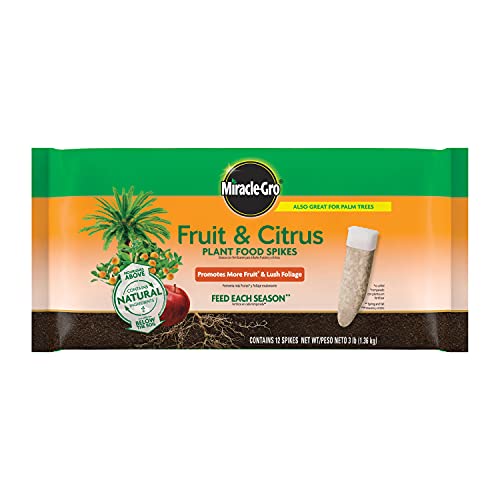
    Fertilizing lemon trees helps boost vitality and fruit yield. Use a balanced fertilizer specifically formulated for citrus trees, following package instructions for application rates. Typically, apply fertilizer every 6 to 8 weeks during the growing season (spring and summer). Consider using organic options, like compost or well-rotted manure, to enhance soil quality. Always water the tree after fertilizing to aid nutrient absorption.

    Typical Timeframe for Fruit Bearing

    Lemon trees typically bear fruit within a specific timeframe. The wait can span from 3 to 5 years after planting, influenced by various factors.

    From Planting to First Bloom

    After planting, you’ll notice your lemon tree may start blooming within 2 to 3 years, provided it receives proper care. Healthy growth conditions, including adequate sunlight and nutrient-rich soil, support faster blooming. Once your tree blooms, expect small green lemons to form. Those lemons usually take several months to mature, leading to a fruitful harvest.

    Variability by Region

    Fruit-bearing time can vary significantly based on regional climates. In warmer zones, like USDA hardiness zones 9-11, lemon trees may produce fruit sooner, often within 3 years. In cooler regions, the process can extend to 5 years due to lower temperatures and potential frost damage. Understanding your local climate can help you manage expectations and plan for the best outcome.

    Conclusion

    Growing lemon trees can be a rewarding journey filled with anticipation. While it may take a few years for your tree to start bearing fruit you can enjoy the process of nurturing it along the way. Remember to provide the right conditions and care to help your tree thrive.

    Patience is key as you wait for those bright yellow lemons to appear. With the right attention and a little love your lemon tree will eventually reward you with delicious fruit that you can savor in your favorite recipes or simply enjoy fresh. Happy gardening and may your lemon tree flourish!

    MUST READ
    When Will a Peach Tree Produce Fruit and Tips for Growing a Bountiful Harvest

    Frequently Asked Questions

    How long does it take for lemon trees to bear fruit?

    Lemon trees typically start bearing fruit within 3 to 5 years after planting. The age of the tree and its variety influence this timeframe, with some types, like ‘Eureka’ and ‘Lisbon,’ producing fruit sooner than ‘Meyer’ lemons, which may take up to 4 years.

    What climate is best for growing lemon trees?

    Lemon trees thrive in warm climates with temperatures between 70°F and 85°F (21°C to 29°C). It’s essential to protect young trees from frost, using frost cloth or mulch during cold spells.

    What kind of soil do lemon trees need?

    Lemon trees prefer well-draining sandy loam soil with a slightly acidic pH level between 5.5 and 6.5. It’s important to enrich the soil with organic matter or compost before planting to promote healthy growth.

    How often should I water lemon trees?

    Water lemon trees about once a week, adjusting for climate conditions. Deep watering is recommended, but avoid overwatering, as it can lead to root rot.

    What fertilizer is best for lemon trees?

    Use a balanced fertilizer specifically formulated for citrus trees every 6 to 8 weeks during the growing season. Organic options like compost can also enhance soil quality and provide essential nutrients.

    Do lemon trees bloom before they bear fruit?

    Yes, lemon trees usually start blooming within 2 to 3 years after planting if they receive proper care. After blooming, small green lemons will begin to form, taking several months to mature.

    How does the local climate affect lemon tree fruiting?

    The fruit-bearing timeline of lemon trees can vary by region. In warmer areas, like USDA hardiness zones 9-11, trees may produce fruit within 3 years, whereas cooler climates may extend this period up to 5 years due to lower temperatures and frost risks.

    Share. Facebook Twitter Pinterest LinkedIn Tumblr Email
    martha jackson
    Martha Jackson

      Martha Jackson is an accomplished freelance writer and editor with a strong interest in gardening. With a degree in English from the University of California, Berkeley, Martha has over 15 years of experience writing for a variety of publications. She is passionate about making gardening accessible to all and is always seeking out new techniques and innovations.

      Related Posts

      How Long Until Avocado Trees Bear Fruit and Tips for Faster Growth at Home

      February 20, 2025

      What Yellow Fruit Grows on Trees and Their Delicious Health Benefits

      February 20, 2025

      How to Air Layer Fruit Trees: A Step-by-Step Guide for Successful Propagation

      February 20, 2025

      When Do Grapefruit Trees Produce Fruit and How to Maximize Your Harvest

      February 20, 2025

      What Is a Fast Growing Fruit Tree: Discover Quick-Yield Options for Your Garden

      February 20, 2025

      Do Cherry Blossom Trees Have Fruit? Discover the Truth About Their Edibility and Benefits

      February 20, 2025
      Leave A Reply Cancel Reply

      Affiliate Disclosure

      As an Amazon Associate I earn from qualifying purchases.

      Recommended Reading

      Does Pine Tree Have Fruit? Discover the Truth About Pine Cones and Their Role

      When to Spray Copper Fungicide on Nectarine Trees? Seasonal Guide

      Planting Cantaloupe Seeds: A Comprehensive Guide to Growing Your Own Delicious Melons

      Can Apple Trees Grow in Winston-salem, NC? (Regional Tips)

      How To Keep Ants Away From Fruit Trees

      Best Fruit Trees for Northern Michigan: A Comprehensive Guide to Orchards

      Growing Nectarine Trees in Oklahoma: High Heat Resilience

      Can You Plant Fruit Trees in September for a Thriving Harvest Next Year

      Persimmon Trees in Austin, TX (Central Texas Planting Success)

      When Best Time to Plant Fruit Trees: Tips for Optimal Growth and Healthy Harvests

      Fruit Tree Hub

      Fruit Tree Hub is a website dedicated to providing you everything you need to grow fruit trees successfully at in your own yard.

      Contact us at: [email protected]

      - AFFILIATE DISCLOSURE: As an Amazon Associate I earn from qualifying purchases.

      Latest Posts

      Can Olive Trees Grow in New Jersey? Garden State Growth Tips

      Can Star Fruit Trees Grow in Missouri? Expert Variety Guide

      How to Grow Jujube Trees in Las Vegas, NV: Desert Growth

      Mango Trees in Illinois: Indoor and Greenhouse Growth Secrets

      Growing Papaya Trees in Oklahoma: High Heat Resilience

      Tamarind Trees in a Pot in Ohio (Complete Maintenance Manual)

      Can Fig Trees Grow in Long Beach, CA? Coastal Salt Tips

      Plum Trees in District of Columbia (Urban Microclimate Tips)

      Categories
      • Almond Trees
      • Apple Trees
      • Apricot Trees
      • Best Fruit Trees
      • Blackberry
      • Cantaloupe
      • Cherry Trees
      • Crochet Ideas
      • Crochet Ideas for Beginners
      • Cucamelon
      • Easy Crochet Ideas
      • Easy Knitting Projects
      • Fig Trees
      • Grapefruit Trees
      • Grapes
      • Guava Trees
      • Honeydew
      • Jujube Trees
      • Kiwi
      • Knitting For Beginners
      • Knitting Ideas
      • Knitting Inspiration
      • Lemon Trees
      • Lime Trees
      • Loquat Trees
      • Mango Trees
      • Mulberry Trees
      • Nectarine Trees
      • Olive Trees
      • Orange Trees
      • Papaya Trees
      • Peach Trees
      • Pear Trees
      • Persimmon Trees
      • Planting
      • Plum Trees
      • Pomegranate Trees
      • Quince Trees
      • Raspberry
      • Reviews
      • Small Crochet Ideas
      • Star Fruit Trees
      • Summer Crochet Ideas
      • Tamarind Trees
      • Tangerine Trees
      • Tips and Advice
      • Tools
      • Uncategorized
      • Walnut Trees
      © 2026 Fruit Tree Hub
      • Home
      • About Us
      • Contact
      • Privacy Policy
      • Terms and Conditions
      • Disclaimer
      • Editorial Policy
      • Affiliate Disclosure

      Type above and press Enter to search. Press Esc to cancel.