

Have you ever planted an apple tree and wondered when you’ll finally get to enjoy those crisp, juicy fruits? You’re not alone. Many new gardeners share the same excitement and impatience as they wait for their trees to bear fruit.
Understanding the timeline for apple trees to produce can save you from disappointment and help you plan your garden better. In this article, you’ll learn what factors influence fruiting time and how to care for your tree to encourage a bountiful harvest. Whether you’re a seasoned gardener or just starting out, you’ll find valuable insights to keep your apple-growing journey on track.
Key Takeaways
- Growth Timeline: Apple trees typically take 5 to 8 years to bear fruit, while dwarf varieties may produce in approximately 3 to 4 years depending on conditions and care.
- Influencing Factors: Tree variety, soil quality, sunlight exposure, consistent watering, and temperature all impact how quickly apple trees will yield fruit.
- Varietal Selection: Choose varieties wisely; crabapple trees fruit in 3 to 5 years, while standard types like Honeycrisp require more time (5 to 8 years).
- Effective Care: Regular pruning and proper fertilization are crucial for enhancing apple tree health and promoting quicker fruit production.
- Environmental Needs: Apple trees thrive in well-drained, loamy soil with a pH of 6.0 to 7.0 and need at least 6 to 8 hours of direct sunlight daily.
- Pollination Importance: Ensure cross-pollination with compatible apple tree varieties nearby to boost fruit production and overall tree health.
Understanding Apple Tree Growth Stages
Apple trees go through distinct growth stages before producing fruit. Knowing these stages helps manage expectations and care strategies.
Seeds to Seedlings
Seeds germinate within 7 to 14 days, depending on conditions. When planting, choose fresh seeds for better results. Once the seedlings reach about 6 inches tall, they require careful nurturing. During this stage, provide sunlight and moisture to support healthy growth. Ideally, seedlings need consistent watering, without over-saturation.
Transplanting and Early Care
Transplanting seedlings occurs about 6 to 12 months after germination. Move seedlings to a larger pot or directly into the ground when they reach 12 to 18 inches tall. Choose a spot with full sun and well-drained soil for optimal growth. In this phase, water regularly and mulch around the base to retain moisture and suppress weeds.
Fertilizing should start early in the growing season with a balanced fertilizer. Monitor for pests and diseases, addressing issues promptly for healthy development. Your attention during this stage sets the foundation for future fruit production.
Factors Affecting Time to Fruit
Understanding the time it takes for apple trees to bear fruit involves considering multiple factors. Several elements can influence this timeline, from the tree variety to the growing conditions.
Apple Tree Variety
Apple tree variety plays a significant role in determining when you’ll see your first fruit. Different varieties embody different rates of maturation. For instance, crabapple trees often produce fruit within 3 to 5 years, while standard apple varieties, such as Honeycrisp or Fuji, may take 5 to 8 years to bear fruit. Dwarf apple trees typically mature faster, bearing fruit in about 3 to 4 years. Selecting the right variety based on your patience level and garden space can help set realistic expectations.
Growing Conditions
Growing conditions heavily influence fruiting times. Healthy apple trees thrive in specific environments. Factors affecting growth include:
- Soil Quality: Well-drained, loamy soil with a pH between 6.0 and 7.0 encourages optimal growth. Nutrient-rich soil promotes faster fruiting.
- Sunlight: Apple trees require at least 6 to 8 hours of direct sunlight daily. Inadequate light can delay fruit production significantly.
- Watering: Consistent watering is crucial, especially during dry spells. Keep the soil moist but not waterlogged. Overwatering can harm the tree’s health.
- Temperature: Apple trees prefer temperate climates. Extreme heat or cold can stress the tree and slow its fruiting timeline.
- Pollination: Apple trees often require cross-pollination from other varieties. Ensuring nearby compatible trees can enhance fruit production.
Addressing these growing conditions helps create an environment where your apple tree flourishes and bears fruit sooner.
Typical Timeframes for Apple Trees
Apple trees take different amounts of time to produce fruit, depending on the variety and growing conditions. Understanding these timeframes helps you plan your gardening journey.
Recommended Products

🌳 3-Pack Fruit Tree Bundle Includes live apple, blueberry, blackberry trees—perfectly paired for a diverse and productive backyard orchard.

Product Quantity: 180+ premium bonsai fruit seeds across 5 varieties; Individual packs contain 40+ apple, 40+ lemon, 40+ orange, 20+ blueberry, and 40+ cherry seeds; Perfect for starting a diverse miniature orchard

Standard Varieties
Standard apple varieties typically take 5 to 8 years to bear fruit. Examples include popular types like Honeycrisp, Fuji, and Gala. For instance, if you plant a Honeycrisp tree, you can expect it to start fruiting in approximately 6 years under optimal conditions. Proper care, such as ensuring good soil drainage and adequate sunlight, significantly affects the timeline.
Dwarf Varieties
Dwarf apple trees mature faster, fruiting within about 3 to 4 years. Varieties like Granny Smith and Red Delicious often fall into this category. If you choose a dwarf Granny Smith, you’ll likely enjoy your first apples in just 3 years. These trees require similar care as standard varieties, emphasizing regular watering, proper nutrients, and sunlight for quicker production.
Care and Maintenance for Faster Fruiting
Caring for your apple tree properly can speed up the fruiting process. Focus on effective pruning and fertilization techniques to encourage healthy growth and fruit production.
Recommended Products

ULTRA SHARP - Much less effort to cut branches with our pruning shears. Crafted from premium SK5 steel with titanium coating, our garden scissors and garden clippers boast exceptional durability and sharpness. A perfect pruning shears for gardening and a must-have garden tool, hedge clippers pruners for gardening
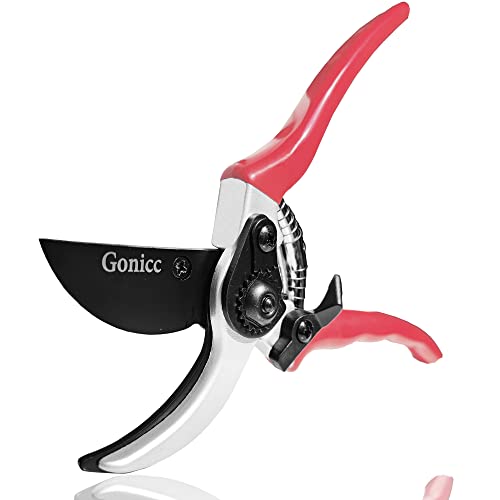
Drop forged body and handles, quality blade made of high carbon steel with Ultra-fine Polishing Technology.

Pruning Techniques
Pruning is essential for promoting fruit production. Cutting back unnecessary branches encourages the tree to allocate more energy towards fruiting.
- Timing: Prune during late winter or early spring, before the buds swell. This timing encourages robust growth as warmer weather arrives.
- Tools: Use sharp, clean pruning shears to make clean cuts. This prevents disease and promotes quicker healing.
- Techniques:
- Remove dead, damaged, or crossing branches. This opens up the canopy for sunlight and air circulation.
- Trim back excess growth to encourage strong, productive branches. Focus on maintaining an open center for better light penetration.
- Goal: Aim for a balanced shape. A well-shaped tree promotes better fruiting and eases pest management.
Fertilization Strategies
Proper fertilization provides essential nutrients for your apple tree. Inadequate nutrients can delay fruiting, while too much can harm the tree.
- Soil Test: Conduct a soil test to identify nutrient deficiencies. This guides you in choosing the right fertilizer.
- Type of Fertilizer: Use a balanced fertilizer with an N-P-K ratio (nitrogen, phosphorus, potassium) of 10-10-10 to support overall growth.
- Timing:
- Apply fertilizer in early spring before new growth begins. This stimulates early development.
- Reapply in early summer to support fruit development, but avoid late-season fertilization to prevent tender growth before winter.
- Application: Spread the fertilizer evenly around the tree’s drip line. Water thoroughly after applying to help nutrients soak into the soil.
By implementing these care techniques, you can create optimal growing conditions that support faster fruiting in your apple trees.
Conclusion
Waiting for your apple tree to bear fruit can feel like a test of patience but understanding the timeline can make the journey more enjoyable. With the right care and attention you can help your tree thrive and potentially speed up the fruiting process.
Remember that factors like tree variety and growing conditions play a crucial role in how quickly you’ll see those delicious apples. By nurturing your tree with proper watering pruning and fertilization you’re setting the stage for a fruitful future.
So keep tending to your apple tree and soon enough you’ll be rewarded with a bountiful harvest. Happy gardening!
Frequently Asked Questions
How long does it take for apple trees to bear fruit?
Most apple trees take between 3 to 8 years to start producing fruit. Dwarf varieties like Granny Smith or Red Delicious typically bear fruit in about 3 to 4 years, while standard varieties, such as Honeycrisp and Fuji, usually take 5 to 8 years.
What factors influence the time it takes for apple trees to fruit?
Several factors affect fruiting time, including the apple tree variety, growing conditions, soil quality, sunlight availability, consistent watering, and proper pollination. All of these elements play a crucial role in determining how quickly the trees will produce fruit.
How can I promote quicker fruit production in my apple trees?
To encourage faster fruit production, ensure proper care through good soil drainage, adequate sunlight, and regular watering. Implement effective pruning techniques, use a balanced fertilizer, and monitor for pests and diseases to create optimal growing conditions.
What are the key growth stages of an apple tree?
Apple tree growth stages begin with germination, where seeds sprout in 7 to 14 days, followed by the seedling stage. Seedlings need careful nurturing until they reach 12 to 18 inches tall, at which point they can be transplanted into sunny spots with well-drained soil.
When should I prune my apple trees?
Prune your apple trees in late winter or early spring. This timing allows you to remove dead or crossing branches, enhancing sunlight exposure and air circulation, which contributes to the overall health and fruiting potential of the tree.
