

Have you ever wondered when those iconic coconut trees start to bear fruit? If you’ve ever dreamt of sipping fresh coconut water right from the source, knowing the fruiting timeline is key.
Key Takeaways
- Coconut trees typically start bearing fruit 6 to 10 years after planting, influenced by factors like soil quality and care.
- Optimal fruit production occurs between 15 to 20 years of age when trees reach heights of around 20 feet.
- Coconut trees thrive in tropical climates with temperatures between 70°F and 95°F and require at least 60 inches of rainfall annually.
- Each tree can produce 30 to 75 coconuts annually, particularly during peak production seasons.
- Soil quality is crucial; well-drained sandy soil with adequate nutrients promotes healthy growth and fruiting.
- Regional conditions, such as local rainfall patterns, significantly affect fruiting frequency and yield.
Overview of Coconut Trees
Coconut trees, scientifically known as Cocos nucifera, thrive in tropical climates. They grow tall, reaching heights of up to 100 feet. These trees prefer well-drained sandy soil and abundant sunlight. The broad, fan-like leaves can extend up to 18 feet long, offering a striking appearance.
Coconut trees start bearing fruit approximately 6 to 10 years after planting. Factors such as soil quality, climate, and proper care influence this timing. Trees typically produce their first coconuts when they reach a height of about 20 feet. Harvesting occurs throughout the year, with peak production often seen during the rainy season.
Coconuts grow in clusters at the top of the tree. Each cluster may contain between 5 to 15 coconuts. With care, a mature coconut tree can yield around 30 to 75 coconuts annually. Proper watering and fertilization help maximize fruit production.
In addition to their delicious fruit, coconut trees offer other benefits. Their husks and leaves can be used for crafting and building materials. The trunks provide high-quality wood for construction and furniture.
Understanding coconut trees and their fruiting timeline can enhance your gardening experience. It can also lead to better yields and availability of fresh coconut water and meat.
Factors Influencing Fruit Bearing
Coconut trees begin to bear fruit based on several factors that impact their growth and development. Understanding these factors is essential for successful cultivation.
Recommended Products
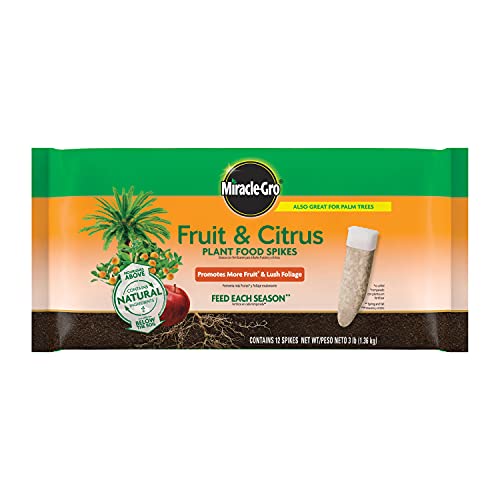
FORMULATED FOR CITRUS AND FRUIT TREES: Use these citrus fertilizer spikes on apple, orange, lemon, lime, and avocado trees; this formula is also great for feeding palm trees

Boosts Fruit & Nut Yields: True Fruit & Nut Food encourages productive tree growth, promoting bountiful harvests of fruits and nuts for your family table.

Contains magnesium, iron and manganese to grow lush palms, cyads and tropical plants
Tree Maturity
Tree maturity is crucial for fruit bearing. Coconut trees start producing coconuts at 6 to 10 years of age, but optimal production occurs when they reach around 15 to 20 years. At this point, the tree’s height typically exceeds 20 feet, allowing it to develop healthy clusters of coconuts. The time taken for a tree to mature can vary based on the care it receives and its growing environment.
Climate Conditions
Climate conditions play a significant role in fruit production. Coconut trees thrive in tropical climates with consistent temperatures between 70°F and 95°F. They also require a minimum of 60 inches of rainfall annually, with the highest yield often occurring during rainy seasons. Protecting trees from strong winds and ensuring adequate sunlight contributes to their overall health and increases fruit production.
Soil Quality
Soil quality directly affects coconut tree growth and fruiting. Well-drained sandy soil with a pH between 5.0 and 8.0 promotes optimal growth. High organic matter enhances soil fertility, supplying necessary nutrients for fruit development. Regularly testing and amending soil can improve its quality. Providing adequate drainage prevents waterlogging, which can hinder root development and reduce coconut yield.
Life Cycle of Coconut Trees
Coconut trees undergo a series of stages before they bear fruit, each contributing to the overall growth and health of the tree. Understanding these stages helps you appreciate when to expect fruit.
Recommended Products

Made for Lemon & Citrus Trees – Formulated to support healthy growth in lemon and citrus plants.

Down to Earth Fruit Tree is a five pound box of all natural fertilizer with 6-2-4 formula and is listed by the Organic Materials Review Institute (OMRI) for use in organic production

Package contains 4 Pounds organic fruit and citrus fertilizer grains and is produced to avoid wasteful runoff, mess, hazards and smells
Flowering Stage
During the flowering stage, which occurs around 5 to 7 years after planting, coconut trees develop small, fragrant flowers. These yellowish-white flowers grow in clusters known as inflorescences. Each cluster can produce both male and female flowers. Male flowers pollinate female flowers, leading to successful fruit formation. Optimal conditions, including warm temperatures and adequate humidity, promote flowering. Trees in well-drained, nutrient-rich soil tend to show more robust flowering.
Fruit Development
After successfully pollinating, the fruit development stage begins. This stage usually occurs 6 to 12 months after flowering. The female flowers develop into coconuts, initially small and green. Over time, they grow in clusters at the top of the tree. You may notice coconuts changing color from green to brown as they mature. Each coconut can contain 1 to 3 liters of coconut water. Harvesting can begin once the coconuts reach a brownish hue, with mature trees yielding 30 to 75 coconuts annually. Good care and maintenance of the tree, including regular watering and fertilization, enhance fruit development and yield.
When Do Coconut Trees Bear Fruit?
Coconut trees begin bearing fruit around 6 to 10 years after planting, depending on various factors like soil quality, climate, and care. Understanding these timelines helps you anticipate when to enjoy fresh coconuts.
Recommended Products

Sprouted Coconut Palm Tree - Large size - 12 to 36 inches tall

Tropical Fruit Seeds: Grow your own delicious mangoes at home with this set of 3 premium mango tree seeds, perfect for cultivating fresh, sweet tropical fruit right in your garden or indoor space

Plum fruit tree seeds are the starting point for growing your own plum trees, offering the opportunity to cultivate fresh, flavorful fruit in your garden or orchard.
Average Timeframes
Coconut trees typically enter full production around 15 to 20 years old. Here’s a breakdown of the stages:
- 6 to 10 Years: Initial fruit production begins.
- 15 to 20 Years: Peak production occurs, maximizing the yield of coconuts.
- 30 Years and Beyond: While production may stabilize, proper care keeps trees productive for decades.
Each tree can yield 30 to 75 coconuts annually, depending on its health and environment.
Variations by Region
Coconut trees thrive in tropical regions. However, local conditions influence their growth and fruiting:
- Tropical Islands: Trees often fruit twice a year due to consistent rainfall.
- Subtropical Areas: Fruiting may be sporadic, aligned with the rainy season.
- Temperate Zones: Growth can be slower, with less consistent yields.
For instance, Thailand and the Philippines experience year-round production, while in parts of Florida, seasonal differences can affect harvest times. Gardeners should consider local climate conditions to optimize cultivation.
Conclusion
Knowing when coconut trees bear fruit can really enhance your gardening journey. With a little patience and care you can enjoy the delicious rewards of your hard work. Remember that while the trees typically start producing coconuts around 6 to 10 years after planting optimal conditions can help maximize your yield.
Whether you’re in a tropical paradise or a subtropical area understanding the growth stages and environmental needs will set you up for success. So keep nurturing your coconut trees and soon enough you’ll be savoring fresh coconut water right from your own backyard. Happy gardening!
Frequently Asked Questions
When do coconut trees start bearing fruit?
Coconut trees typically begin to bear fruit between 6 to 10 years after planting. The exact timeline can vary depending on factors like soil quality and climate conditions.
How tall do coconut trees grow?
Coconut trees can grow up to 100 feet tall. However, they start producing fruit once they reach around 20 feet in height.
What factors influence coconut production?
The main factors influencing coconut production include tree maturity, climate conditions, soil quality, and proper care. Ideal temperatures range from 70°F to 95°F, with a minimum of 60 inches of annual rainfall.
How many coconuts can a mature tree produce?
A mature coconut tree can yield between 30 to 75 coconuts annually with proper care, and harvesting can occur year-round, peaking during the rainy season.
What is the life cycle of a coconut tree?
The life cycle includes planting, flowering (around 5 to 7 years), and fruit development (6 to 12 months after flowering). Proper care is vital during these stages for optimal growth and fruiting.
How long can coconut trees remain productive?
With proper care, coconut trees can remain productive for several decades, and peak production typically occurs around 15 to 20 years after planting.
What is the ideal soil for growing coconut trees?
Coconut trees thrive in well-drained sandy soil with a pH between 5.0 and 8.0. Regular soil testing and amendments can enhance growth and fruit production.
